Australia is set to release a landmark set of labor market data this Thursday, the first official hard economic indicator published since the escalation of the Israel-Iran conflict in the Middle East, a development that has sent global oil prices surging 60% in just four weeks. While leading projections point to a small decline in the national unemployment rate, dipping from February’s 4.3% to 4.2% for March, economists are sounding the alarm: the apparent improvement masks growing economic risks that have yet to fully register in official data.
Westpac senior economist Ryan Wells explains that the March labor force figures only capture trends from the first fortnight of the conflict, which began on February 28. This means any tangible impacts from the oil price shock on Australian hiring trends will not appear in this release. “It is far too early to detect any meaningful shift in broad labour market conditions tied to the Middle East conflict,” Wells noted. Price shocks from energy markets work through the economy gradually, first hitting household disposable income, then eroding corporate margins, and finally prompting businesses to adjust their investment and staffing decisions. That cascade takes time to unfold, so the March jobs report will not reflect the full fallout of the conflict.
The upcoming data follows a mixed set of labor outcomes in February. That month saw a surprisingly strong net gain of 48,900 new jobs, but nearly all of those gains came from part-time positions rather than full-time, stable roles. At the same time, labor force participation rose 22 basis points to 66.9% as more Australians re-entered the job search pool, a shift that pushed the official unemployment rate up from 4.1% in January to 4.3% in February.
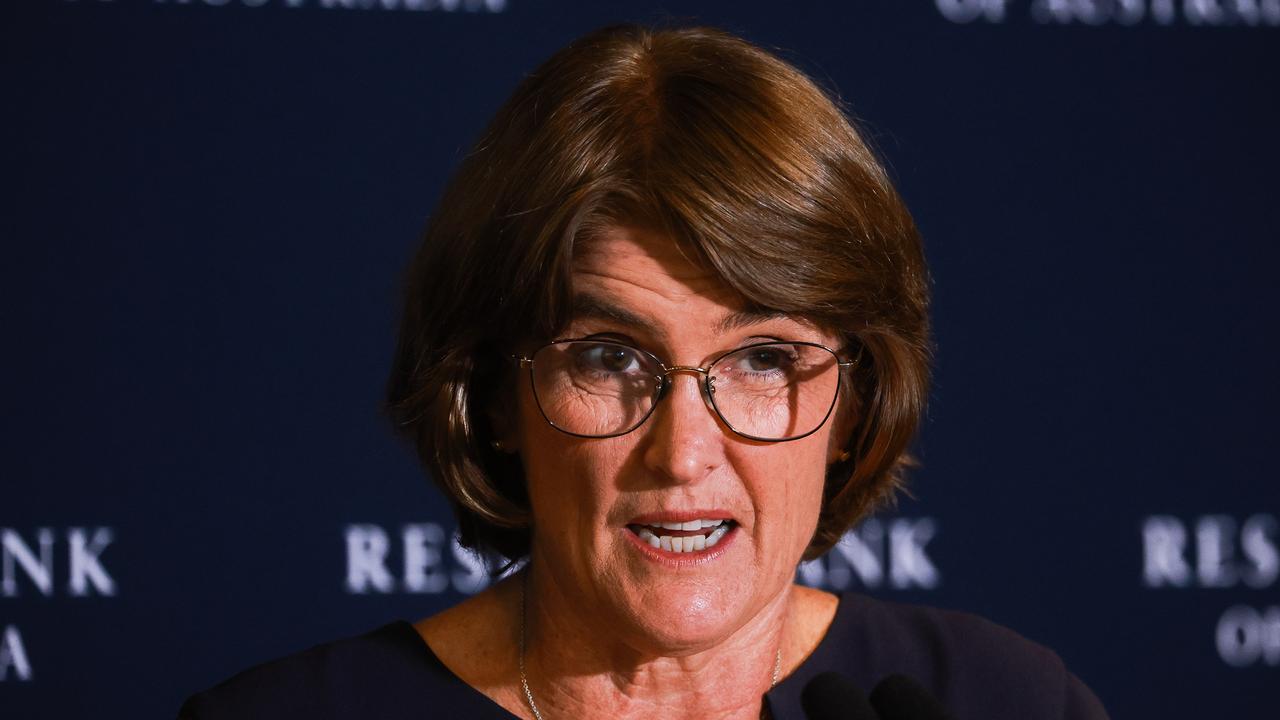
For the Reserve Bank of Australia (RBA), which holds a dual mandate of maintaining price stability between 2-3% inflation and delivering full employment consistent with low inflation, the labor data carries less immediate weight than persistent inflation pressures. RBA governor Michele Bullock has previously framed current risks as tilted toward rising inflation rather than rising unemployment. The central bank’s priority remains bringing inflation back to its target band without triggering a massive jump in joblessness or a recession, Bullock explained after lifting the cash rate to 4.10% earlier this year. “We don’t want to see a recession or a large rise in unemployment if we can avoid it,” she said, “but at the moment the risks just tip more to the inflation side given the position that the labour market is currently in.”
With national inflation still sitting at 3.7%, well above the RBA’s 2-3% target band, Wells says the upcoming March jobs report is unlikely to shift the central bank’s near-term policy course. “Absent a significant surprise, March’s labour market data is not going to play a big role in the RBA’s next policy decision,” he added.
Broader global economic risks are already mounting, with the International Monetary Fund (IMF) warning that the Middle East conflict has pushed the global economy to the edge of a new recession. In its latest Global Economic Outlook, the IMF has urged governments including Australia to hold back on large-scale fiscal stimulus to ease cost-of-living pressures, warning that expanded public spending makes it harder for central banks to tame persistent inflation. “While such measures are popular, evidence suggests they are often both poorly designed and very costly for the public purse,” said IMF chief economist Pierre-Olivier Gourinchas. “Avoiding fiscal stimulus is also critical when inflation is rising, so as not to complicate central banks’ task.”
The IMF’s updated forecast paints a grim long-term picture for Australia, predicting that inflation will remain above the RBA’s target band for at least two more years, climbing to 4% in 2026 before cooling slightly to 3.2% in 2027. Real gross domestic product growth, which strips out inflation to measure actual economic expansion, is projected to slow to just 2% in 2026 and fall further to 1.7% in 2027.
Australian Treasurer Jim Chalmers, who is traveling to Washington DC for the G20 and IMF Spring Meetings, has acknowledged that global events are already weighing heavily on Australian households. “The costs and consequences of the conflict in the Middle East will be felt for some time, in Australia and around the world,” Chalmers said in a statement. The Albanese government has already flagged potential new cost-of-living relief measures in its May 12 federal budget, responding to domestic price hikes driven by the global fuel shock. Chalmers outlined that the government is taking targeted action: halving the fuel excise to reduce consumer costs, holding petrol retailers accountable for price gouging, working to secure additional fuel supplies for domestic markets, and coordinating international action to address the supply crunch. The Treasurer stressed that the upcoming budget will remain fiscally responsible despite pressure to expand spending.