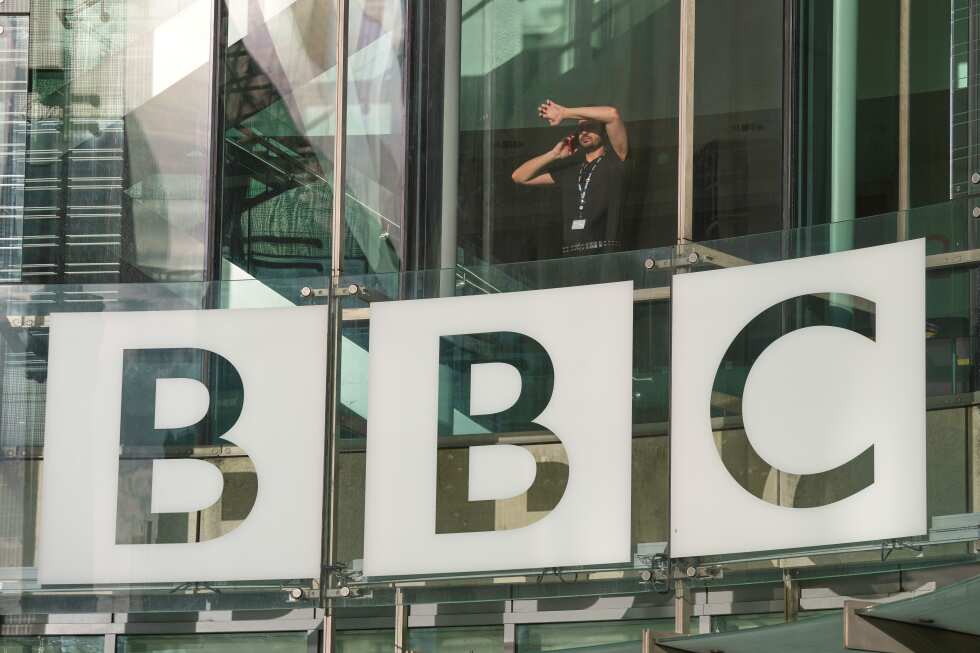
The British Broadcasting Corporation (BBC) announced Wednesday that it will eliminate up to 2,000 roles over the next two years as part of a sweeping plan to slash £500 million ($677 million) — or 10% of its annual operating budget. The layoffs, revealed during an internal staff briefing call, mark the largest workforce reduction at the UK’s public national broadcaster in over a decade.
In a mass email sent to employees following the announcement, interim Director-General Rhodri Talfan Davies acknowledged that the decision would create widespread uncertainty for staff, but emphasized the broadcaster’s commitment to transparency around the severe fiscal challenges it faces. Davies outlined the multiple overlapping pressures driving the cost-cutting push: persistent high inflation across the UK media sector, ongoing debates and constraints over the broadcaster’s core license fee funding model, declining commercial revenue streams, and broader volatility in the global economy.
The restructuring plan aligns with a fiscal framework the BBC laid out earlier this year, when it first disclosed it was facing “substantial financial pressures” and targeted 10% in total budget cuts by 2029. The majority of the cost savings are scheduled to be implemented in the 2027-2028 fiscal year, which begins April 1, 2027. The announcement comes just weeks before a leadership transition at the top of the organization: former Google executive Matt Brittin is set to take over as the new permanent Director-General next month, stepping into the role vacated by Tim Davie.
Brittin’s appointment follows a high-profile controversy that led to the resignation of then-head of news Deborah Turness, who stepped down over a misleading edit made to a documentary covering former U.S. President Donald Trump’s January 6, 2021 speech shortly before his supporters stormed the U.S. Capitol. That controversy was followed by a $10 billion defamation lawsuit brought against the BBC by Trump.
As a public cultural institution, the BBC has long been both celebrated by audiences and scrutinized by critics, funded primarily by an annual television license fee that currently stands at £180 ($244). Every UK household that watches live broadcast television or accesses BBC content is required by law to pay the fee, a funding model that has faced growing criticism in the age of on-demand digital streaming. Opponents of the license fee, which include competing commercial broadcasters, have ramped up their calls for reform as more consumers abandon traditional linear television viewing and forgo owning dedicated TV sets entirely.
The current UK center-left Labour government has pledged to secure “sustainable and fair” long-term funding for the BBC, but has not ruled out scrapping the existing license fee model in favor of an alternative funding structure. First founded in 1922 as a radio broadcaster with the core mission to “inform, educate and entertain,” the BBC has grown into a sprawling media entity. It currently operates 15 national and regional television channels across the UK, multiple international broadcast channels, 10 national radio stations, dozens of local radio outlets, the globally distributed World Service radio network, and a large portfolio of digital products including the popular iPlayer streaming platform.