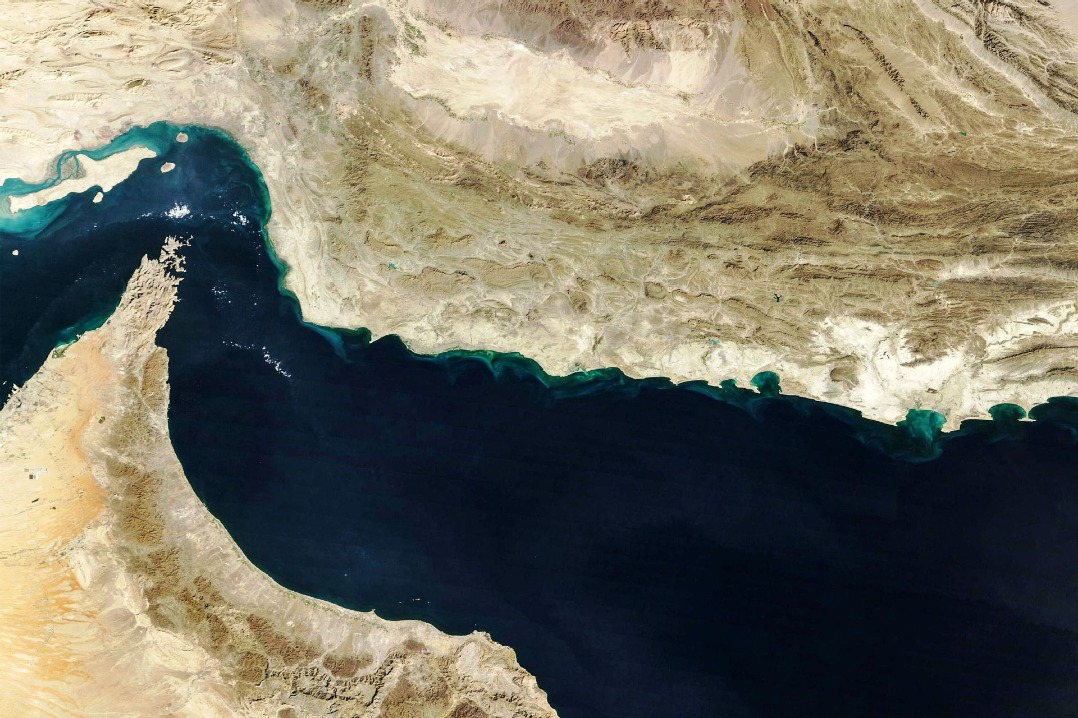
The long-running maritime standoff in one of the world’s busiest strategic waterways took a new turn this week, as two commercial vessels bound for Iranian ports successfully completed a transit through the Strait of Hormuz despite a sweeping U.S. blockade designed to cut off seaborne traffic to and from the Islamic Republic, according to a new report from leading British shipping industry outlet Lloyd’s List.
The U.S. military confirmed just this Tuesday that it has deployed over 10,000 troops to carry out the blockade order, which applies to all vessels seeking to enter or depart Iranian ports regardless of their flag or country of origin. In response to this enforcement, shipping observers have documented a growing pattern among vessels targeting Iranian ports: altering their publicly broadcast Automatic Identification System (AIS) destination data to obscure their final intended stop before moving through the strait.
Per Lloyd’s List’s on-the-ground industry tracking, the two Iran-flagged container ships in question originally set their AIS transponders to indicate a final destination of Bandar Abbas, Iran’s key southern commercial and military port on the Persian Gulf. Shortly after the U.S. blockade entered into force, the vessels updated their AIS destination to the far broader, less specific label “PG Ports” — short for Persian Gulf ports — hiding their specific intended endpoint from general tracking systems. After the ships cleared the Strait of Hormuz without incident, they reoriented their course directly toward Bandar Abbas and continued their journey on Tuesday, the report confirmed.
Maritime analysts cited in the report note that this common adaptive tactic creates new, unplanned complications for the U.S. blockade’s implementation. By obfuscating their final destinations via AIS adjustments, vessels force U.S. intelligence and surveillance operations to expend far more resources to track and confirm the actual destinations of Persian Gulf-bound traffic, extending the intelligence gathering phase of the blockade and slowing interdiction efforts.
The Strait of Hormuz remains one of the most critical chokepoints for global energy trade, with roughly a fifth of the world’s total oil consumption passing through the waterway each day. The new development highlights growing frictions between U.S. sanctions and blockade enforcement and commercial shipping operators seeking to maintain trade links with Iran, raising new questions about the long-term effectiveness of the U.S. measure.