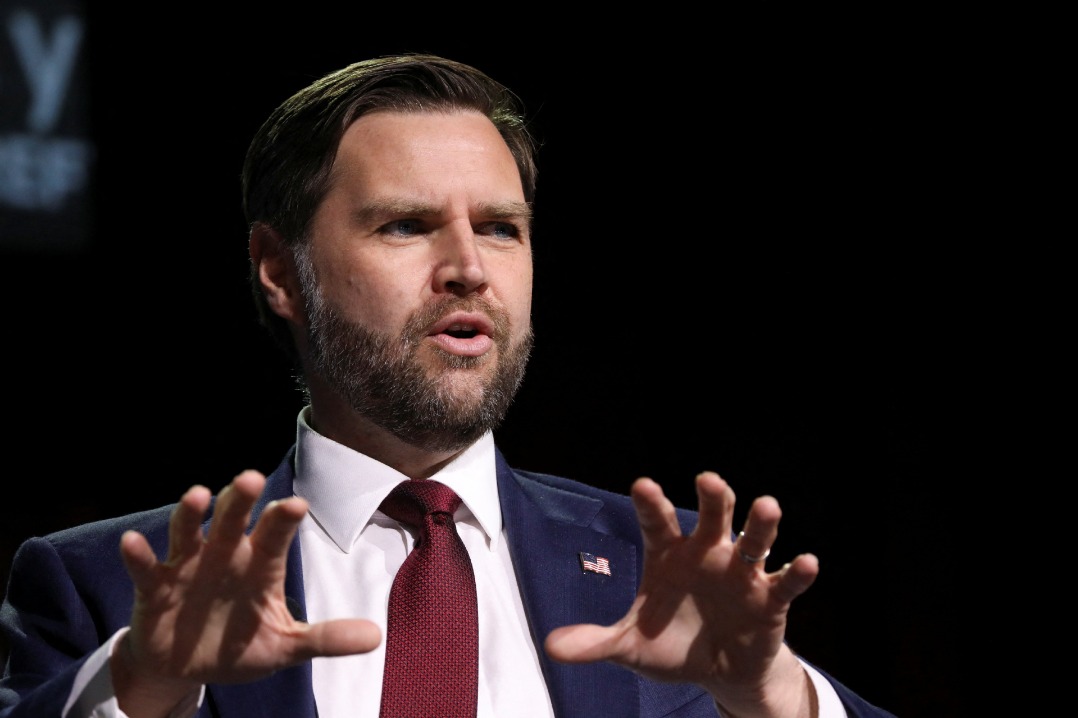
Fresh diplomatic negotiations between the United States and Iran are on the cusp of resuming this week in Pakistan, with US Vice President JD Vance confirming he will spearhead the push for a sweeping, comprehensive ‘grand bargain’ between the two long-adversarial nations. Vance laid out the administration’s negotiating goals during a public event hosted in Athens, Georgia, at the University of Georgia on April 14, 2026, just days after he led an initial 21-hour closed-door negotiating session with Iranian delegates in Pakistan over the weekend.
Decades of deep-rooted mistrust have separated Washington and Tehran, but Vance stressed that all stakeholders at the upcoming talks in Islamabad are aligned in their goal of reaching a viable final agreement. He emphasized that US President Donald Trump has rejected incremental, small-scale agreements in favor of a far-reaching deal that enshrines one non-negotiable core US priority: preventing Iran from developing an operational nuclear weapon.
According to a Tuesday CNN report citing anonymous sources close to the planning process, Vance will not be the only senior US representative at the potential second round of talks. He will be joined by two other high-profile members of the US negotiating team: Trump’s special envoy Steve Witkoff, and the president’s son-in-law and former senior White House advisor Jared Kushner. While Trump confirmed the likelihood of new negotiations in the coming days, a senior anonymous US official clarified that no formal agenda or timeline has been finalized for the follow-up meeting, noting that logistical plans are still under active discussion.
Speaking in a phone interview with The New York Post earlier on Tuesday, Trump confirmed that the next round of talks could get underway within 48 hours in Pakistan. “Something could be happening over the next two days, and we’re more inclined to go there,” the president told the outlet.
On Monday, Trump publicly identified the core sticking point in the initial round of negotiations: Iran’s nuclear program. He added that retrieving Iran’s existing stockpiles of enriched uranium is a top US priority for the talks. Initial proposals presented in the first session highlight the gap between the two sides’ positions, The New York Times reported Monday. Washington has tabled a proposal calling for a 20-year pause on all of Iran’s sensitive nuclear activities, while Tehran has countered with an offer to suspend its nuclear program for a maximum of five years.
The potential for a major breakthrough in US-Iran relations comes after more than 40 years of severed formal diplomatic ties, making these talks one of the most significant diplomatic overtures between the two nations in modern history. The outcome of the negotiations could have far-reaching implications for regional security in the Middle East and global non-proliferation efforts.