China is rolling out an ambitious national plan to revamp its tiered healthcare system, placing unprecedented focus on expanding primary-level medical capacity to better handle common ailments and chronic conditions such as hypertension and diabetes, according to Chinese health authorities.
The sweeping reform package was formally detailed in a guidance document released last week by the General Office of the State Council, with the core goal of meeting public demand for accessible, high-quality medical care close to patients’ home communities.
Under the new framework, policymakers will prioritize closing gaps in geographic access to basic care by guaranteeing every residential neighborhood is served by a fully functional community health center. The three-tier national hospital system will also be restructured to better align institutional capacity with patient needs: secondary hospitals, which occupy the middle tier of the system, will expand their ability to treat routine illnesses while growing specialized services in rehabilitation, long-term nursing, palliative care, integrated medical care and elderly care support.
Tertiary, or top-tier, hospitals will shift their core focus to treating severe, complex and life-threatening conditions, while enhancing services for patients referred from lower-level facilities, those requiring multidisciplinary specialist consultations, and those needing inpatient care. To optimize the use of limited high-quality medical resources, these leading hospitals will gradually phase out routine outpatient services, including follow-up appointments for well-managed stable chronic conditions and common disease consultations that can be handled closer to patients’ homes.
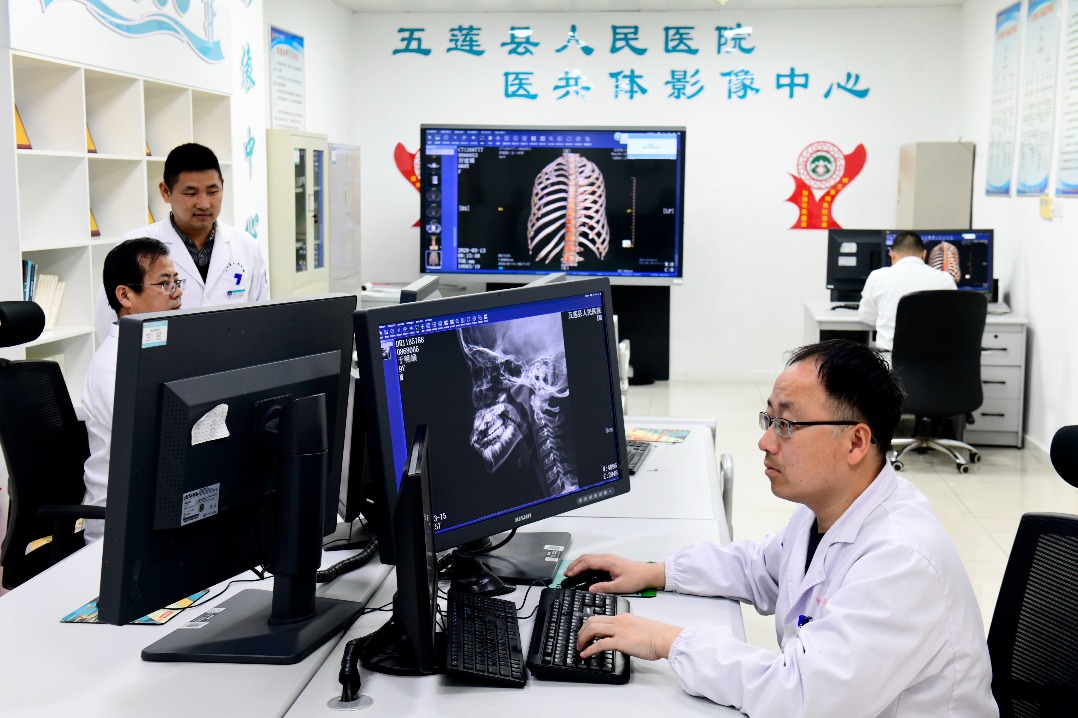
A key structural upgrade outlined in the document is the expansion and improvement of integrated medical consortia — collaborative networks that connect large top-tier hospitals with smaller grassroots medical institutions. The plan calls for establishing shared resource centers within these consortia for medical imaging, diagnostic testing, equipment sterilization, laboratory analysis and pharmaceutical supply, to eliminate resource duplication and bring higher-quality services to primary care settings.
To incentivize patients to seek their initial diagnosis at the primary level, the guidance requires top-tier hospitals within consortia to open dedicated outpatient clinics for common chronic conditions — including hypertension, diabetes and chronic obstructive pulmonary disease — directly at primary-level institutions. Specialist expert clinics will also be extended to grassroots facilities, and eligible patients with stable chronic diseases will now be able to receive long-term prescriptions covering up to 12 weeks of medication in a single primary care visit, eliminating the need for frequent repeat appointments.
To further boost grassroots capacity, the plan mandates regular rotations of senior medical professionals to primary and rural facilities, and the deployment of additional mobile medical teams to serve regions with historically limited access to care.
Addressing reporters at a Monday press conference, National Health Commission deputy director Zheng Zhe shared that China’s existing primary care network has already made substantial progress. As of 2026, the country hosts more than 1.1 million healthcare institutions, and over 90 percent of Chinese residents can reach a qualified medical service provider within a 15-minute travel radius. In 2025 alone, primary-level institutions recorded 5.56 billion patient visits, accounting for 52.6 percent of all patient visits nationwide.
From 2020 to 2025, the volume of two-way patient referrals between large tertiary hospitals and smaller grassroots facilities grew by more than 50 percent, a trend that Zheng said reflects growing systemic coordination and improved convenience for patients.
Jiao Yahui, head of the NHC’s primary health department, added that primary care institutions already deliver more than 1 billion services annually to high-priority groups including the elderly, children and people living with chronic diseases. In 2025, grassroots facilities across China set up more than 370,000 hospital beds for home-based care, and issued 190 million long-term prescriptions for chronic disease patients.
Aligning with the new guidance, Jiao outlined that future efforts will focus on expanding chronic disease management capacity at the primary level, while also upgrading grassroots capabilities in pediatrics, rehabilitation, mental health, and ear, nose and throat care. “We will ensure that rural and community clinics have regular access to medical staff from higher-level hospitals, and that grassroots medical workers get structured training opportunities at top-tier hospitals,” Jiao said, noting that policymakers will also explore broader adoption of artificial intelligence-assisted diagnostic tools in primary care settings to improve diagnostic accuracy and efficiency.