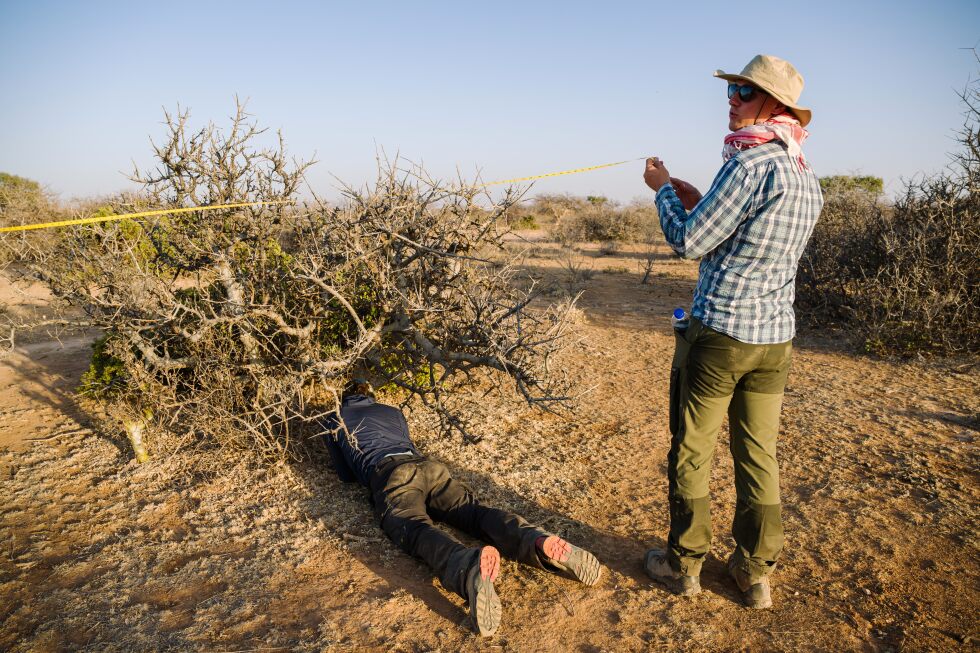
In the parched, dust-choked lowlands of Ethiopia’s Somali region, a natural resource that has shaped global trade and culture for millennia is facing an unprecedented existential crisis. Myrrh, the aromatic tree resin that serves as a signature base note in hundreds of high-end perfumes from luxury brands including Tom Ford, Comme des Garcons, and Jo Malone, is being pushed to the brink by a climate-fueled historic drought that has ravaged the Horn of Africa for years. Once stretching across dense, sprawling forests across the region, the native Commiphora myrrha trees that produce the resin are now dying off, starved of water and grazed by desperate, hungry livestock struggling to survive in the arid landscape.
This 2026 on-site research expedition, backed by the American Herbal Products Association and led by supply chain sustainability experts from the University of Vermont and ethical botanical supplier FairSource Botanicals, set out to address two overlapping crises threatening the myrrh trade: the ecological collapse of myrrh forests and the systemic exploitation of local harvesters by exploitative middlemen. For generations, myrrh harvesters in eastern Ethiopia have practiced traditional, low-impact harvesting methods that prioritize long-term forest health: rather than cutting intentional wounds into tree bark to force more resin production—a practice that weakens trees and makes them more vulnerable to pests and disease—local communities collect resin that naturally oozes from existing small wounds on tree trunks. This centuries-old technique produces the highest-quality resin on the global market, but leaves harvesters with just a tiny fraction of the profits generated by the luxury goods myrrh goes into.
A kilogram of raw myrrh resin earned harvesters between just $3.50 and $10 in 2026, a tiny fraction of the $500 price tag carried by some luxury perfumes that rely on the resin’s distinct earthy fragrance. Currently, most myrrh produced in eastern Ethiopia is sold unregulated to traders from neighboring Somalia, with the Ethiopian government collecting no taxes on the commodity, and harvesters cut off from direct access to global markets that would let them negotiate fairer prices. The research team aims to change that by building transparency into the supply chain, connecting harvesters directly to global buyers to ensure a larger share of profits flow back to the communities that produce the resin.
Beyond supply chain inequity, the far more urgent threat is the ongoing historic drought, amplified by human-caused climate change. The region’s annual seasonal rains have failed consistently for years, following a devastating extreme flood event in 2023 that devastated crops and grazing land. Today, once-full lakes outside towns like Afcadde sit completely dry, and herders travel as much as 200 kilometers across cracked, parched earth to access the few working wells that still hold water in villages like Sanqotor. Water gathering consumes entire days for local children, who drive donkey carts to deep wells dug into the dry beds of former lakes.
The drought has hit myrrh populations hard. While mature trees are still largely standing, resin production has dropped sharply as trees conserve what little water they can access. More alarmingly, very few young myrrh seedlings are surviving the harsh conditions. Starving livestock graze on young tree buds, and children pulling goats and sheep through the forest often accidentally uproot small seedlings. Local elder Mohamed Osman Miyir explained that the entire myrrh tree population is declining at an alarming rate, leaving communities deeply worried about the future of a resource that has sustained them for generations. For the poorest residents of the region, who own no livestock and rely entirely on myrrh harvesting for their livelihoods, the collapse of the industry would be catastrophic.
Myrrh has occupied a central place in global culture, medicine, and trade dating back to ancient Egypt, where it was used in burial rituals, cosmetics, and medicine. Today, growing global interest in natural remedies has sparked new demand for the resin, alongside its steady use in high-end perfumery and traditional local practices—from making ink for Quranic wooden tablets to burning in homes to repel bugs and snakes. Local researchers and harvesters hope that greater global visibility into the challenges facing their industry, paired with the push for direct, fair trade, will help them protect both the myrrh forests and their own traditional way of life. As senior researcher Abdinasir Abdikadir Aweys of the Somali Regional Pastoral and Agro-Pastoral Research Institute noted, local communities are counting on direct market access to deliver stable, sustainable livelihoods that let them continue protecting the forests that the rest of the world depends on for luxury fragrance and natural products.