In a significant shift that reshapes the geopolitical landscape of North Africa, the West African nation of Mali announced Friday its formal endorsement of Morocco’s controversial plan to resolve the decades-long Western Sahara dispute, committing to the framework that grants regional autonomy under permanent Moroccan sovereignty. As a core component of this new policy, Mali’s transitional ruling government has formally withdrawn its prior recognition of the pro-independence Sahrawi Arab Democratic Republic (SADR), joining a growing bloc of African nations, the former U.S. Trump administration, and a majority of European Union member states that have thrown their support behind Rabat’s proposal.
The official announcement was made in a public statement published by Mali’s Ministry of Foreign Affairs, which emphasized that “the Republic of Mali supports the autonomy plan proposed by Morocco as the only serious and credible basis for resolving this dispute and considers that genuine autonomy under Moroccan sovereignty is the most realistic solution.”
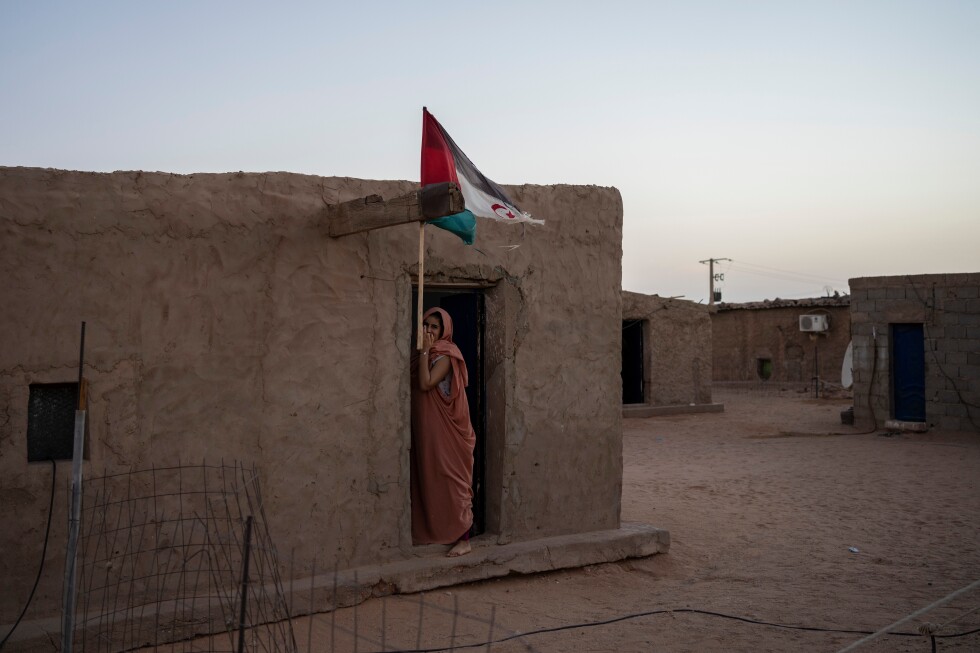
The Western Sahara conflict, one of the world’s longest-running unresolved territorial disputes, has its roots in the end of Spanish colonial rule over the territory in 1975. A vast phosphate-rich coastal desert roughly equal in size to the U.S. state of Colorado, the territory is claimed by both Morocco and the Polisario Front, a pro-independence movement that represents the indigenous Sahrawi people and maintains its base of operations out of Sahrawi refugee camps in southwestern Algeria. For decades, the two sides have clashed over control of the region, with competing claims to full sovereignty over the territory.
Most recently, the international community has coalesced around a new framework for negotiations, anchored by a United Nations Security Council resolution adopted in October 2025 that elevated Morocco’s autonomy plan to the central position in global conflict resolution efforts. The resolution does not set a binding outcome for the territory’s final status, but it explicitly characterizes the Moroccan initiative as a “serious, credible, and realistic” foundation for reaching a lasting political settlement, and designates the plan as the official basis for future negotiations between parties.
Consistent with past Security Council resolutions on the issue, the 2025 text makes no reference to a full self-determination referendum that would include independence as a voting option — a solution that has long been the non-negotiable demand of the Polisario Front and its international backers, which include Algeria, Russia, and China.
In recent years, Western Sahara has moved beyond a frozen conflict zone to emerge as an attractive destination for cross-border investment, as global firms from Europe and the United States have shown growing interest in developing the territory’s untapped economic potential. Key sectors drawing outside investment include commercial fishing, large-scale agricultural development, and cross-border infrastructure projects that would enable transmission of renewable wind and solar energy generated in the region, turning the disputed desert territory into a growing hub for clean energy development.