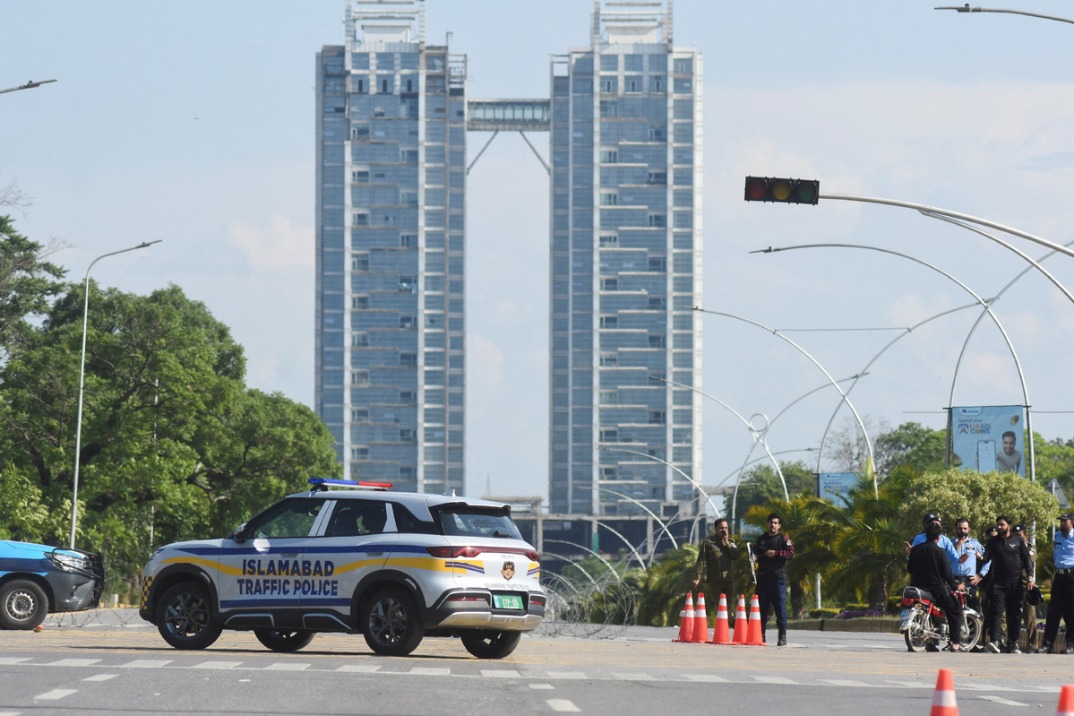
As a fragile two-week ceasefire halts weeks of escalating tensions between the United States and Iran, Pakistan has entered the final stretch of rigorous security and logistical preparations to host landmark direct talks between the two rival powers in its capital city of Islamabad, aiming to broker a long-lasting de-escalation of Middle East tensions.
The negotiations, set to open their first round this Saturday, will bring high-level delegations from both sides to the negotiating table. According to Iran’s Students’ News Agency, Tehran’s delegation will be headed by Parliament Speaker Mohammad Baqer Qalibaf, set to meet with U.S. Vice President JD Vance. The White House has confirmed that the American delegation will include senior envoys Steve Witkoff and Jared Kushner, marking one of the most high-profile direct diplomatic engagements between the two nations in recent years.
To guarantee complete safety for all visiting foreign delegates, Pakistani Interior Minister Mohsin Naqvi announced Thursday that a comprehensive, layered security plan has been finalized. Islamabad authorities have rolled out sweeping security arrangements ahead of the talks: a public holiday has been declared for the twin cities of Islamabad and Rawalpindi to streamline logistics, heavily trained police, paramilitary troops, and specialized security agencies have been deployed in line with strict Blue Book VVIP protocol, and dedicated, restricted routes have been mapped out for the delegations’ movement.
Islamabad Police has issued a formal traffic advisory alerting commuters to route diversions along the major Express Highway, while emergency rescue services and city hospitals have been placed on maximum high alert. The Serena Hotel, a five-star luxury property located in Islamabad’s secure Red Zone diplomatic district, has been reserved exclusively for the visiting delegations, and multiple entry points to the capital will remain closed for the duration of the delegates’ stay.
Pakistan’s months of behind-the-scenes diplomatic work made the talks possible. Prime Minister Shehbaz Sharif and Deputy Prime Minister and Foreign Minister Mohammad Ishaq Dar have held extensive consultations with regional leaders and maintained continuous, open diplomatic channels with both Tehran and Washington to bring the two sides to the negotiating table. Analysts note that Pakistan’s longstanding policy of neutrality, paired with its deep, established ties with both Washington and Tehran, gives the country a unique, unmatched ability to facilitate dialogue between the distrustful powers.
Retired brigadier and regional security analyst Tughral Yamin called Pakistan’s success in convening the talks a “remarkable achievement”, noting that just months earlier, bringing two powers with decades of deep mutual mistrust to the same table was widely seen as an improbable goal. “It demonstrates ambition and a willingness to take risks in pursuit of regional peace,” Yamin explained.
While the recently announced ceasefire has created a window for diplomacy, major sticking points remain that will test the negotiators. The future status of the Strait of Hormuz, the critical global maritime chokepoint that carries a large share of the world’s total oil and liquefied natural gas supplies, is one of the most contentious topics on the agenda. Sanctions relief is another core demand for Iran, which has seen its economy and international financial activity severely constrained by long-running U.S. and international sanctions. Disagreements also persist over Iran’s uranium enrichment program: Tehran maintains it has the right to maintain the program for peaceful civilian nuclear energy purposes, while Washington continues to insist on strict enforceable limits on the activity.
Most analysts and diplomatic observers frame the talks with cautious optimism. Both sides have sustained heavy military, political, and economic losses from recent escalating tensions, creating strong mutual pressure to reach a negotiated settlement. Even so, experts warn that the real challenge will be forging a mutually acceptable final agreement, a outcome that will require pragmatism, flexibility, and carefully calibrated concessions from both delegations. Across diplomatic circles, there is widespread hope that these talks will mark a critical turning point toward lasting stability in one of the world’s most volatile regions.