As global energy market volatility fueled by Middle East conflict sends Australian fuel costs spiraling, a major public sector union in New South Wales has launched a groundbreaking legal push to deliver relief to thousands of frontline council workers grappling with rapidly rising commuting expenses.
The United Service Union (USU), which represents 25,000 local government employees across NSW, has submitted an application to the state’s Industrial Relations Commission, requesting emergency workplace measures to ease the financial burden placed on workers by the ongoing fuel crisis. Union leaders estimate that affected commuting workers are now paying an extra AU$50 to AU$100 per week to fill their vehicles, a cost that has stretched household budgets to breaking point for many.
The union’s proposal asks the commission to greenlight a series of temporary, trigger-based adjustments that would activate once average weekly retail fuel prices climb above AU$2 per litre, and remain in place for an initial 12-month trial period. Under the plan, employers would be required to set default working-from-home arrangements for eligible roles. For staff who cannot perform their duties remotely, a four-day work week would be mandated. Additional measures include adjusting start and end times at worksites to cut down on commuting time and costs, and providing dedicated work transportation when practical.
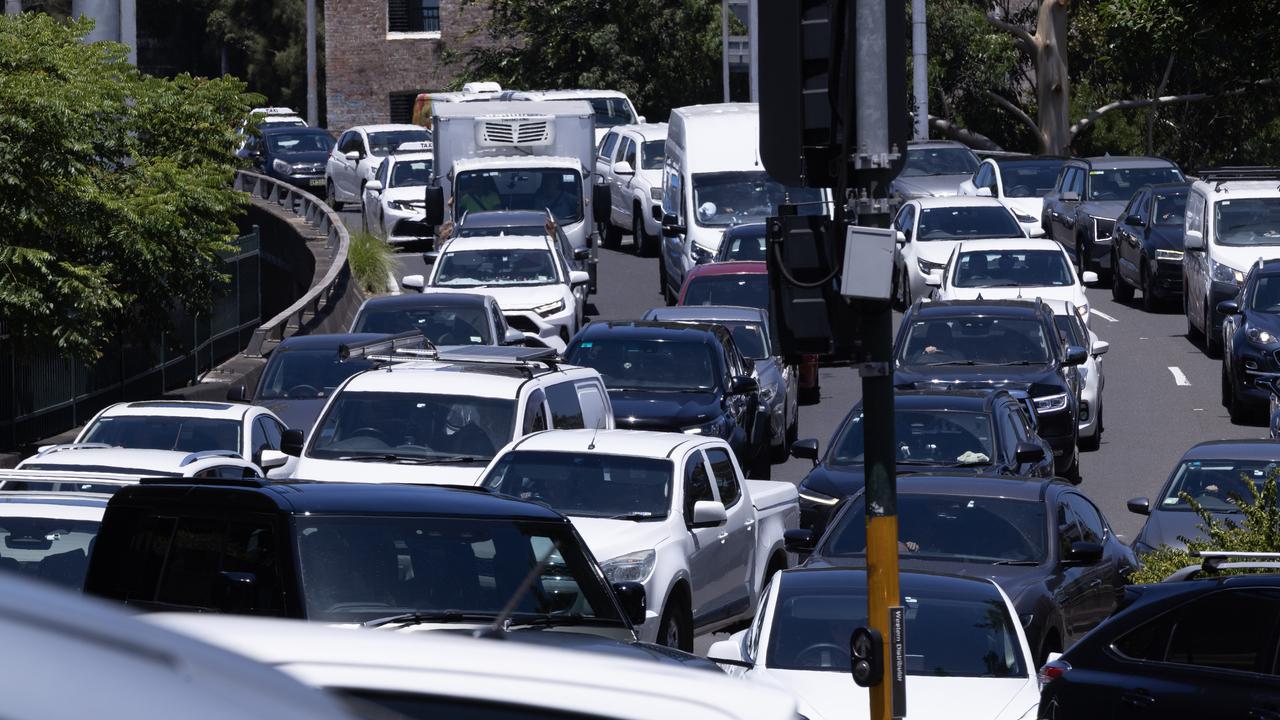
Daniel Papps, head of legal at the USU, explained that the policy targets two key benefits for both workers and the broader community. “Our members are telling us that the fuel crisis is really starting to bite,” Papps said. “By offering either home working or four-day working weeks it will help get more people off the road. This would save our members in the pocket, but would also help to conserve fuel for the people that need it the most.”
The application held its first preliminary hearing before the Industrial Relations Commission on Thursday, where initial stakeholder discussions got underway. A follow-up hearing is scheduled for the following week to continue deliberations. Ahead of the court proceeding, the USU sent formal letters to all 128 local councils across NSW to outline the severe financial pressure skyrocketing fuel costs are placing on their workforce.
In the letter, USU General Secretary Graeme Kelly emphasized the union’s commitment to a collaborative, mutually beneficial solution. “We recognise that councils are currently navigating significant operational pressures associated with fuel price increases and potential supply constraints,” Kelly wrote. “Our shared objective is to maintain service continuity while ensuring that employees are supported and able to continue working safely and sustainably. In this context, we are seeking a cooperative approach between councils and the USU to implement practical, temporary measures that support both operational resilience and workforce stability.”
Papps added that the union remains open to negotiation: “We are hopeful we will be able to find a mutual position, but if we cannot we will be prepared to call for an order to be made. Our hope and desire is that we can come to a common sense conclusion.”
Responding to the union’s application, a spokesperson for the NSW Local Government Association noted that there is no universal solution to address the current fuel crisis across all councils. “We understand the union’s position in wanting to advocate in the best interests of their members,” the spokesperson told the Australian Financial Review. “Councils across NSW are already managing the impact on their staff appropriately at this time.”
If the court rules in the union’s favor, the decision would set a historic precedent for emergency workplace adjustments in response to cost-of-living crises, potentially opening the door for similar claims across other industries in Australia and beyond.