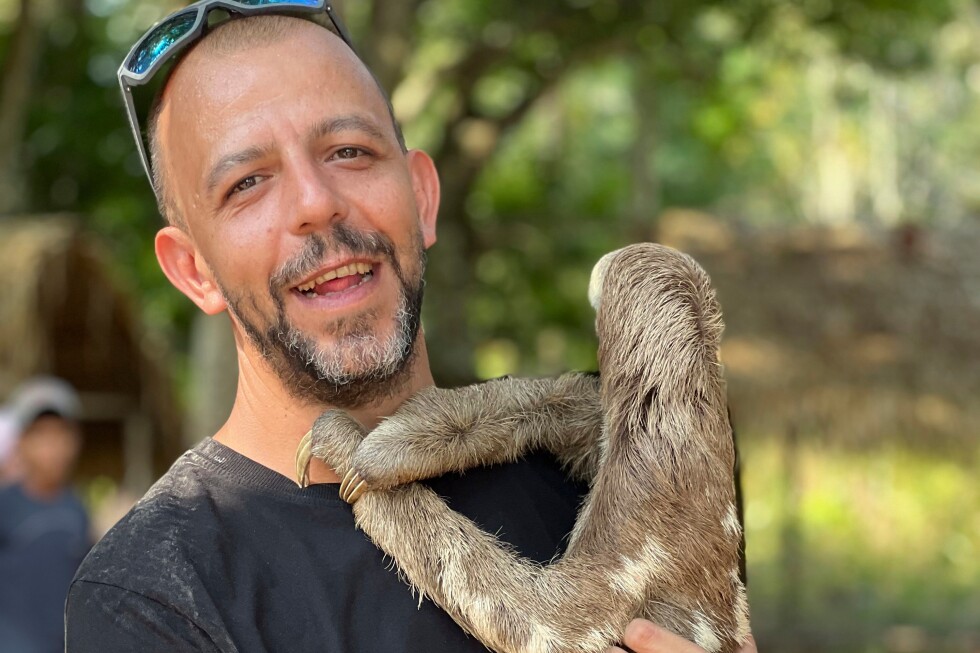
After 22 months of detention on controversial national security charges, a foreign aid worker has been freed from custody in the Central African Republic (CAR), his family has confirmed to the Associated Press. Joseph Figueira Martin, a dual Belgian-Portuguese national working as a consultant for U.S.-based development organization FHI 360, was released from detention on Tuesday, according to his immediate family. His brother told reporters that early confirmation of the release is solid, and the freed aid worker was expected to touch down in Lisbon, Portugal’s capital, within hours of the announcement.
Figueira Martin was first taken into custody in May 2023, not 2024 as initially cited in some early official statements, during a security sweep in Zemio, a remote southeastern CAR town that has been trapped in chronic interethnic and anti-government violence for more than a decade. The CAR prosecutor’s office leveled serious allegations against the aid worker, including claims of espionage, unlawful collaboration with armed rebel factions, plotting to overthrow the sitting government, and endangering the country’s national sovereignty. Held in a maximum-security military prison, Figueira Martin previously launched a hunger strike to draw attention to poor and abusive conditions during his detention.
As of Tuesday evening, CAR’s presidential administration and national law enforcement bodies had not issued an official confirmation of the aid worker’s release, nor had they offered any public comment on the future of his outstanding legal case.
While cases of foreign aid workers being detained on national security charges remain uncommon in the country, the CAR government has ramped up regulatory and security scrutiny of international non-governmental organizations operating in conflict zones where state military forces are battling insurgent groups. In the wake of Figueira Martin’s arrest, national authorities issued a public warning that all foreign NGO personnel must avoid any activities deemed to threaten national security, or they would face formal legal prosecution.
The release comes amid more than a decade of ongoing instability in CAR, a resource-rich central African nation that plunged into full-scale civil conflict in 2013, when a coalition of mostly Muslim rebel groups seized the capital and ousted sitting president François Bozizé. The subsequent counteroffensive by mostly Christian anti-rebel militias spiraled into widespread ethnic violence that has killed thousands and displaced millions. A 2019 nationwide peace agreement between the government and major armed factions reduced large-scale clashes, but six of the 14 original signatory armed groups have since withdrawn from the deal, restarting insurgent activity across large swathes of the countryside.
Currently, CAR’s President Faustin-Archange Touadéra, who has held office since 2016, relies on military support from the Russian private mercenary group Wagner to hold off insurgent offensives and maintain government control over key national territory.