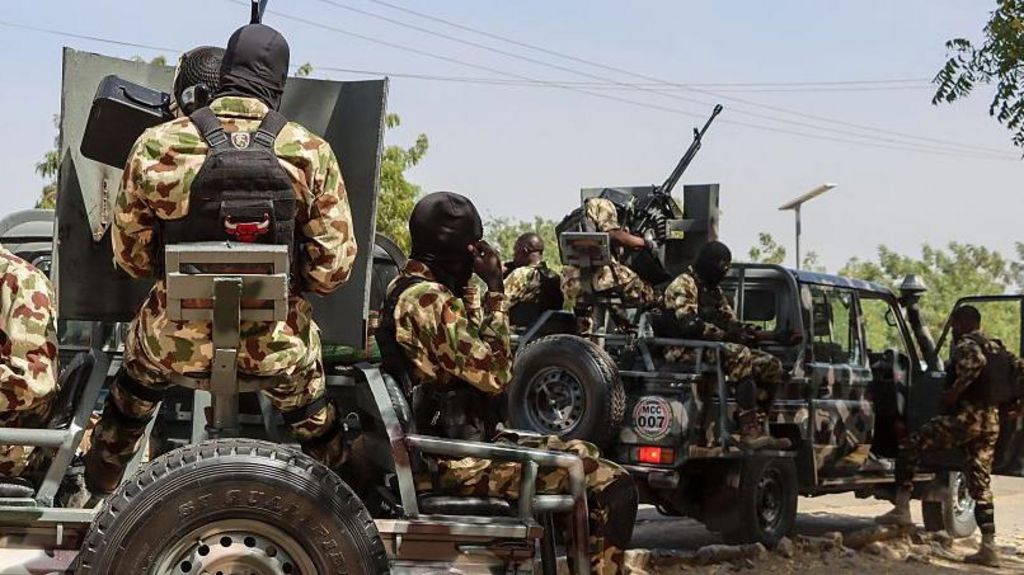
On a Sunday morning ahead of the Easter holiday, armed attackers targeted a church in the northwestern Nigerian community of Ariko, Kaduna State, leaving multiple civilians dead and dozens held captive in a brazen act of violence that has underscored the persistent security crisis plaguing the region. In the aftermath of the assault, Nigerian military forces announced they have successfully recovered all 31 civilian hostages taken during the attack, though discrepancies have already emerged over the final civilian death toll. Official security force statements confirm five civilians were killed when gunmen opened fire during Easter worship celebrations, but a local church leader initially placed the confirmed death count at seven. According to the Nigerian army’s official account, responding military personnel engaged the attacking gunmen in an intense close-quarters firefight that eventually forced the assailants to retreat from the area, abandoning their hostages and the remains of those they had killed. Military officials added that the fleeing attackers sustained heavy losses during the clash, with visible blood trails along their escape routes confirming significant casualties among the insurgents. Despite the military’s claims of a rapid, effective response to the attack, local media reports quoting area residents tell a different story, claiming the gunmen were able to carry out their assault and operate in the area for an extended period before security forces arrived to confront them. In the wake of the rescue operation, additional military troops have been deployed to the region to track down the surviving attackers and bolster local security protections for civilian communities. Military authorities have also called on local residents to share any intelligence that can help advance counter-insurgency operations targeting the armed groups driving widespread insecurity across northern Nigeria. This church attack is not an isolated incident: kidnappings for ransom and targeted attacks on civilian communities are endemic across northern Nigeria, where the national government has struggled for years to contain overlapping security threats from jihadist insurgent networks and criminal armed gangs known locally as bandits. In a separate, coordinated counter-offensive announced just days after a mass abduction of village residents in Zamfara State, Nigeria’s military confirmed it had killed 65 bandits during a major operation in the state, per reporting from the Agence France-Presse news agency. Police had already confirmed earlier that dozens of local residents were abducted from multiple villages in Zamfara earlier that same week, and a regional manhunt had been launched immediately after the kidnapping was reported. The persistent targeting of religious communities in Nigeria, including Christian congregations celebrating major holidays, has drawn international scrutiny in recent years. During the final year of former U.S. President Donald Trump’s administration, the White House raised formal concerns over the treatment of Christian communities in Nigeria and called on the Nigerian national government to take more aggressive action to improve security and protect Christian populations. Trump went as far as to publicly claim that a “Christian genocide” was ongoing in the country, an accusation that Nigerian government officials firmly rejected, noting that Muslims, Christians, and people of no religious affiliation have all been killed in widespread attacks across the country’s northern regions. In a show of international support for Nigeria’s counter-insurgency efforts, U.S. military personnel were deployed to Nigeria earlier this year in February to provide specialized training for local security forces and share intelligence support to aid the fight against Islamist militants and other armed criminal groups.