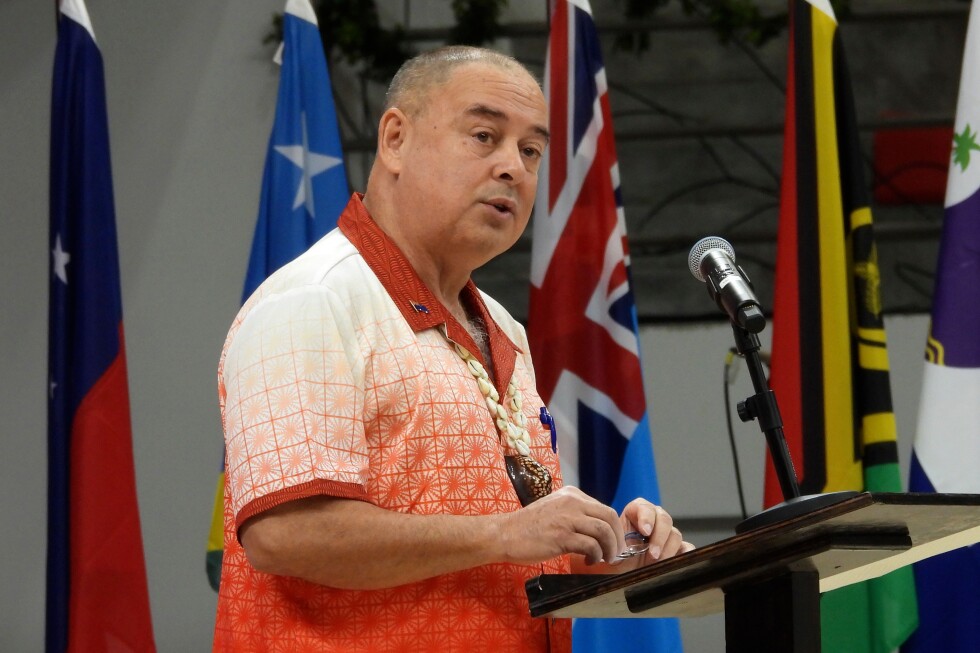
WELLINGTON, New Zealand – After more than 12 months of strained diplomatic relations stoked by the Cook Islands’ deepening engagement with China, the South Pacific partners have signed a new defense and security agreement that formally eases ongoing tensions between the two nations.
While the standoff between the two Pacific states – one a nation of 5 million people, the other a small island nation with just 15,000 residents – never rose to the level of a major geopolitical clash, the prolonged rift drew close attention from regional analysts. The dispute laid bare the unique balancing act that small Pacific island states face when managing long-standing traditional alliances with Western powers like New Zealand and Australia, while pursuing new economic and infrastructure overtures from Beijing.
Under the terms of the new declaration, the Cook Islands has formally committed that New Zealand will remain its “partner of choice regarding defense and security matters” – a guarantee that eliminates the security concern Wellington raised that China could seek to fill a defense vacuum in the Cook Islands. New Zealand Foreign Minister Winston Peters noted that the agreement resolves long-running “ambiguity” surrounding the terms of the two nations’ existing relationship.
The diplomatic rift first erupted in February 2025, when Cook Islands Prime Minister Mark Brown signed a comprehensive strategic partnership with China during an official visit to Beijing. Wellington raised immediate alarm over the deal, because Brown declined to share the full text of the agreement with New Zealand officials before signing – a step New Zealand argued was required for security reasons, given the long-standing relationship between the two nations.
The Cook Islands has operated as a self-governing state under a free association agreement with New Zealand since 1965. Under that arrangement, New Zealand bears full responsibility for the Cook Islands’ defense and security, and all Cook Islanders hold New Zealand citizenship, allowing them to live and work freely across New Zealand. The terms of the free association also require Cook Islands leaders to consult Wellington on any international agreements that could impact New Zealand’s security interests.
Brown defended his choice not to disclose the text of the China agreement, arguing that existing diplomatic arrangements between the two nations did not mandate pre-approval or full disclosure for new foreign pacts. In response, New Zealand – the Cook Islands’ largest international aid donor – paused millions of dollars in targeted aid funding to Avarua, though the frozen amount made up only a small share of New Zealand’s total annual contribution to the Cook Islands. Peters confirmed Thursday, during his visit to sign the new agreement alongside Brown, that the paused aid will now resume immediately.
China pushed back on the dispute Thursday, asserting that its relationship with the Cook Islands “is not directed at any third party, nor should it be subject to interference or constraints by any third party.” Chinese Foreign Ministry spokesperson Mao Ning emphasized in a daily briefing in Beijing that all sovereign Pacific island nations deserve respect for their independent policy choices.
“Since the establishment of diplomatic relations, the two countries have always treated each other on equal footing with mutual respect and pursued common development,” Mao Ning said. “We are willing to deepen practical cooperation with Cook Islands to continuously enhance the well-being of the two peoples.”
The Cook Islands, an archipelago of 15 islands scattered across the South Pacific, is one of dozens of small regional states that China has actively courted in recent years. Beijing has extended large-scale aid packages, low-interest loans, and infrastructure development deals across the Pacific as part of a broader push to expand its diplomatic and strategic influence in the region. The sparsely populated South Pacific holds major strategic value for global powers, and most Pacific island states control vast, resource-rich exclusive economic zones. Brown has actively advanced plans to explore deep-sea mineral mining within the Cook Islands’ exclusive economic zone, a potentially lucrative development project that has drawn international interest.
Peters acknowledged Thursday that the regional strategic landscape has shifted dramatically since the 1965 free association agreement was signed. “The strategic environment we face is more complex and contested today than at any other point since New Zealand and the Cook Islands formed our free association relationship in 1965,” he said.
Tensions between Wellington and Avarua first began building in late 2024, when Brown floated a plan to create a separate Cook Islands passport – a proposal he quickly shelved after New Zealand made its strong opposition clear, in what Brown described as New Zealand “baring its teeth” over the issue. “It’s no secret that our two governments have had a series of serious disagreements since late 2024,” Peters acknowledged Thursday.
Neither leader has clarified what the new defense declaration means for the Cook Islands’ earlier strategic partnership with China, which covers deep-sea mining development, infrastructure projects, and educational scholarships, and does not include explicit security provisions. Brown stressed Thursday that the new agreement with New Zealand does not alter or invalidate any of the Cook Islands’ other international agreements. Still, Brown reaffirmed Wellington’s primary role in the nation’s security affairs: “But New Zealand would be our first port of call on anything to do with defense and security,” Brown said.