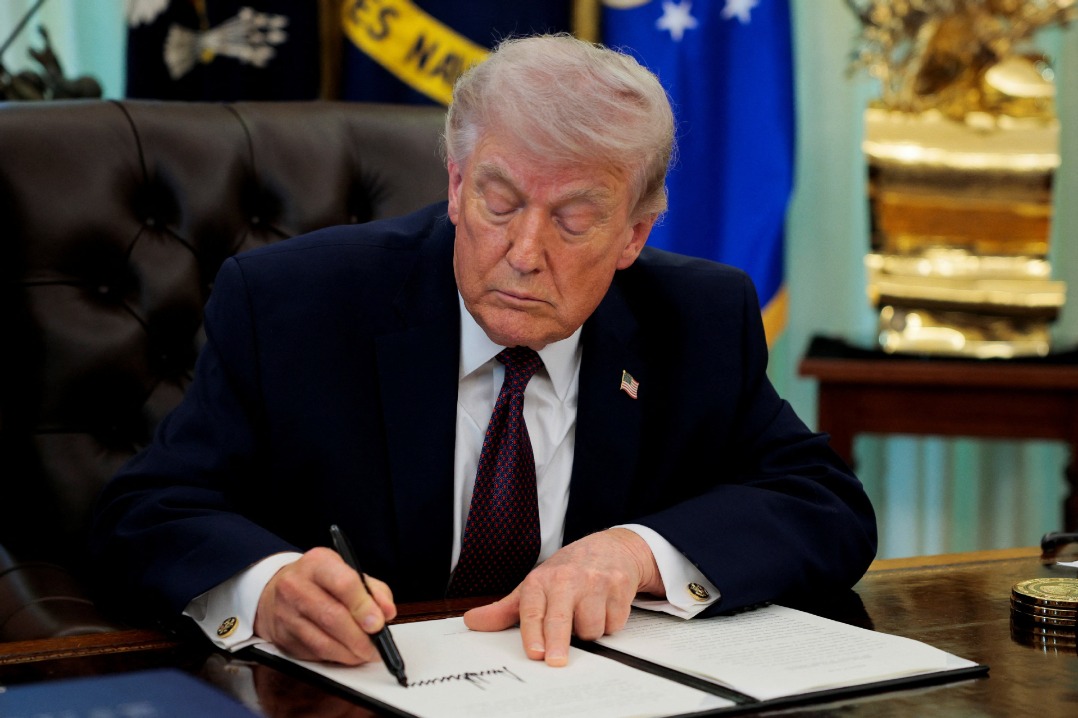
Less than 24 hours after the formal signing ceremony held in the Oval Office of the White House in Washington, D.C., a new executive order from U.S. President Donald Trump aimed at overhauling core parts of the nation’s election administration has ignited immediate political and legal firestorm across the country. Dated March 31, 2026, the directive marks the second major executive action Trump has taken to reshape voting procedures since he returned to office, following a 2025 order that was largely blocked by federal courts.
Under the terms of the new order, the U.S. Department of Homeland Security is mandated to work in direct partnership with the Social Security Administration to assemble comprehensive, state-by-state rosters of voters who have been formally confirmed as U.S. citizens aged 18 and older, the minimum voting age in the country. Once compiled, these national voter eligibility lists will be turned over to state-level election authorities for use in verifying who is eligible to cast ballots in federal elections.
Beyond creating centralized eligibility rolls, the order also imposes new restrictions on mail-in and absentee voting, a method of voting that has been the subject of fierce partisan debate in U.S. politics for years. The U.S. Postal Service is instructed to only deliver ballot packages to voters whose names appear on the state-approved eligibility lists compiled under the new federal framework. Additionally, all election mail will be required to use official, pre-marked envelopes with tracking barcodes to monitor delivery and confirm receipt by election officials.
The move has triggered swift pushback from legal experts, election administrators, voting rights advocates and Democratic party officials, nearly all of whom question the foundational legality of the order. Under the U.S. Constitution, authority over the administration of federal, state and local elections is primarily granted to individual state governments, with limited rule-setting power reserved for Congress. Legal analysts widely agree that the executive order oversteps federal authority granted under the Constitution, making it vulnerable to being struck down by the courts.
Within hours of the order being signed, voting rights organizations and Democratic leaders from multiple states announced they would immediately file legal challenges to block the directive from taking effect. This latest effort to alter election rules follows a similar executive order Trump issued in 2025, which sought to tighten voter registration requirements and stop the counting of ballots that arrive after Election Day. Courts ultimately blocked key provisions of that 2025 order, a precedent that opponents of the new directive say suggests a similar outcome is likely this time around.