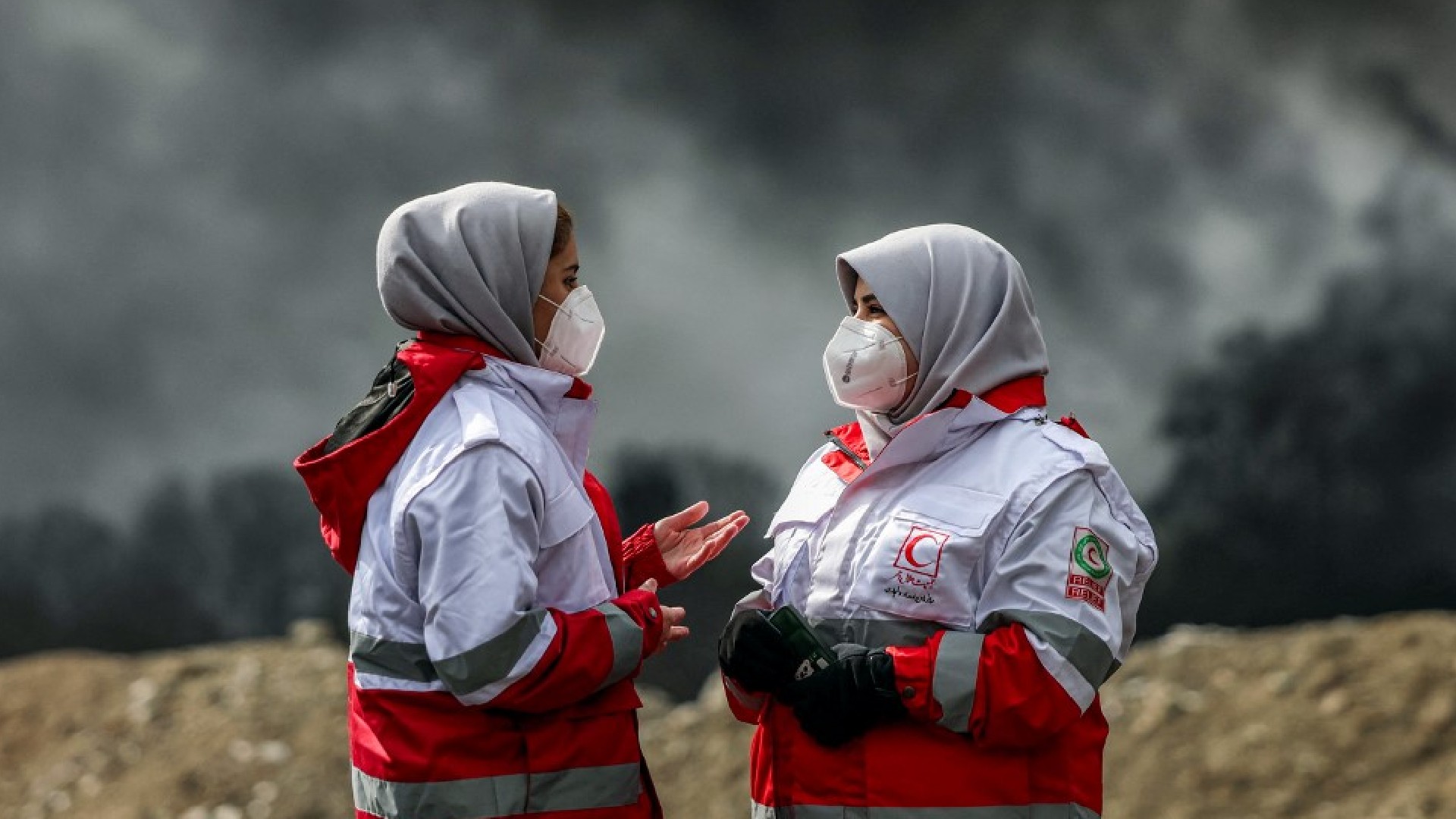
Tehran’s skies turned toxic following a series of airstrikes on March 7th that ignited multiple oil depots and refineries, creating an environmental disaster with dire implications for public health. The attacks, claimed by Israel’s military despite US denials of involvement, resulted in petrochemical fires that raged for five days, engulfing the Iranian capital in thick, poisonous smoke that residents described as hellish visions and ‘black monsters’.
The aftermath brought acid rain blackened with oil, coating the city’s infrastructure in a tarry residue while millions of citizens inhaled dangerous chemicals with only fabric masks for protection. According to the Conflict and Environment Observatory (CEOBS), a UK-based nonprofit monitoring war’s environmental impacts, this incident represents just one of approximately 300 environmentally risky incidents recorded since hostilities began on February 28th.
The situation is particularly critical due to Tehran’s geographical constraints. Nestled at the base of the Alborz mountains, the city’s natural topography traps pollution, creating a toxic chamber for its nine million inhabitants. Compounding the problem, years of economic sanctions have forced Iran to rely on mazut—a highly polluting, low-grade fuel—that had already degraded air quality before the conflict.
Environmental scientists warn that the health consequences will extend far beyond immediate respiratory issues. Professor Shukri al-Hassan, who studied leukemia cases resulting from oil flaring in Iraq’s Basra region, emphasized that microscopic particles from the fires can embed deep in lung tissue, potentially causing cancer years after exposure. ‘Those who do not die directly from the strikes may still have their lives threatened indirectly through exposure to toxic gases,’ Hassan noted.
The parallels to previous conflicts are alarming. Cultural anthropologist Narges Bajoghli, referencing Iraq’s chemical weapons use during the 1980s Iran-Iraq war, highlighted that toxic harm to civilian populations often goes unpunished when delivered with deniability or attributed to industrial accidents. As attacks expand to target more civilian and industrial infrastructure, including metallurgical plants, the environmental toll continues to mount across the region, creating what experts fear could become permanent sacrifice zones with generational health consequences.