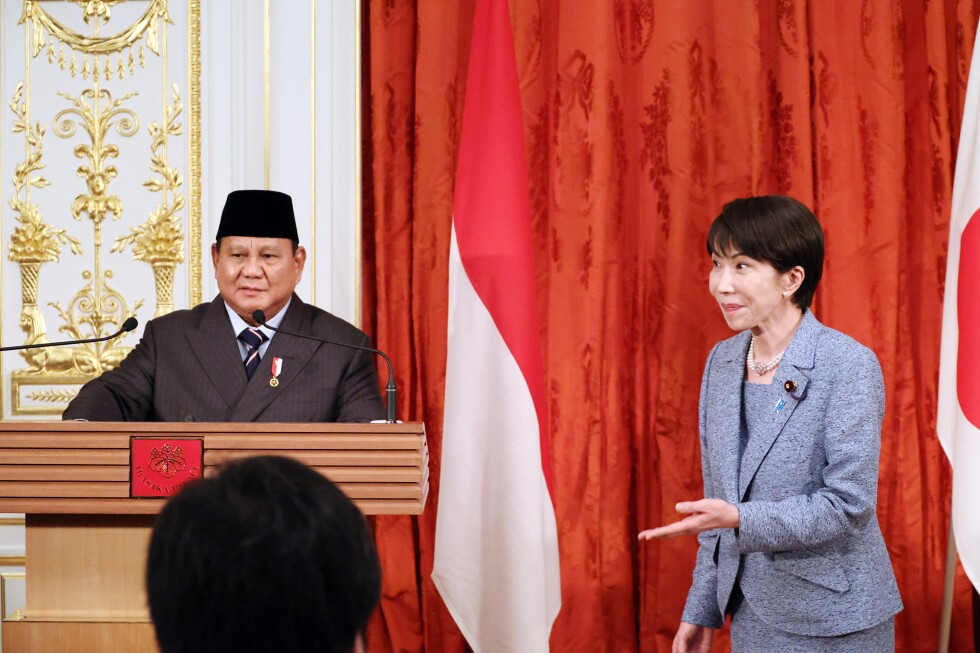
In response to growing global energy instability fueled by Middle East conflicts, Japan and Indonesia have established a comprehensive strategic partnership focused on energy security and economic collaboration. The agreement, finalized during Indonesian President Prabowo Subianto’s official visit to Tokyo, represents a significant shift in Asia’s energy landscape.
Japanese Prime Minister Sanae Takaichi emphasized the critical timing of this alliance, stating that global circumstances have heightened the importance of resource and energy security worldwide. The partnership builds upon a memorandum of understanding signed on March 15th that outlines cooperation in nuclear energy development and critical mineral processing.
The collaboration includes plans for Japan to assist in constructing a nuclear power facility in Indonesia’s West Kalimantan region, leveraging Japanese technological expertise with potential financing from international development banks. This nuclear initiative marks a notable policy reversal for Japan, which has recommitted to nuclear energy despite the 2011 Fukushima disaster as part of its carbon neutrality objectives.
President Subianto extended invitations for Japanese investment in processing Indonesia’s substantial rare earth mineral reserves and developing renewable energy infrastructure. The partnership additionally focuses on stabilizing liquefied natural gas (LNG) supply chains, with Indonesia currently providing approximately 5% of Japan’s LNG imports.
This alliance enables Japan to diversify its energy sources beyond Middle Eastern suppliers, which currently provide over 90% of its oil imports. The cooperation comes as Japan has begun releasing strategic oil reserves to stabilize domestic markets amid global supply disruptions.