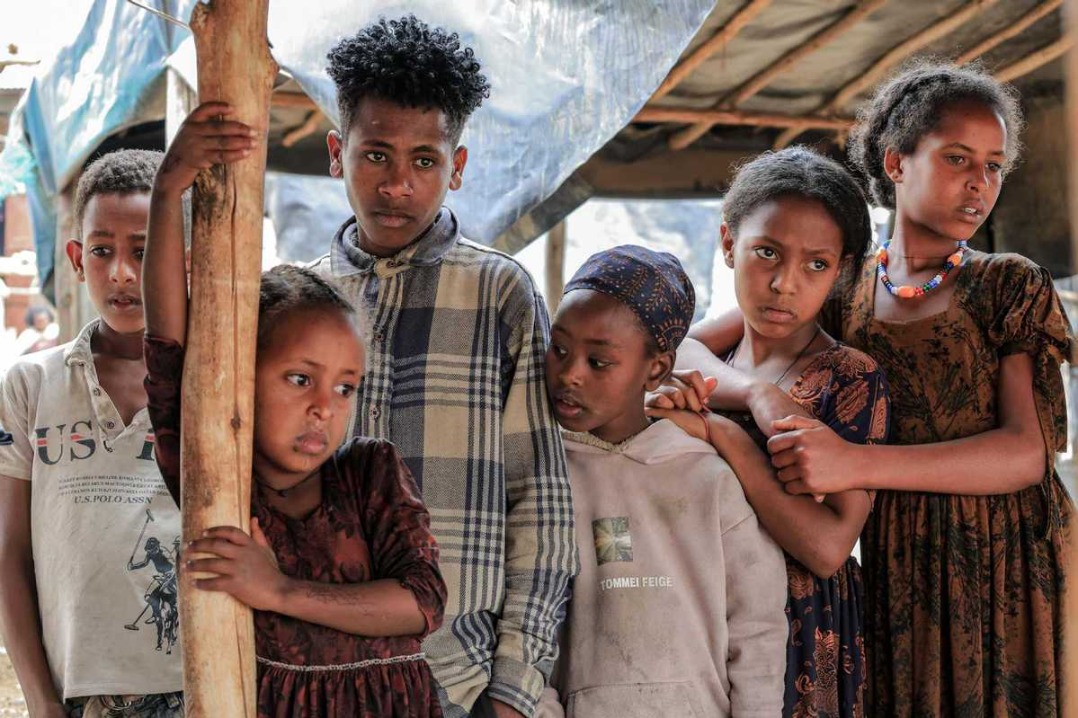
African health authorities are sounding the alarm over what they describe as a ‘silent crisis’ of preventable maternal and child mortality across the continent. Current statistics reveal devastating hourly losses: approximately 50 mothers, 140 newborns, and 300 children under five perish from largely preventable causes, according to data from the Africa Centres for Disease Control and Prevention.
Jean Kaseya, Director-General of the Africa CDC, characterized the situation as not merely a health issue but a fundamental development and sovereignty challenge. ‘A continent that cannot protect its mothers and children cannot claim full sovereignty over its future,’ Kaseya stated, emphasizing the need for transformative reforms in healthcare delivery systems.
The crisis stems from persistent systemic failures including delayed care, financial barriers, and fragmented health infrastructure. Kaseya identified significant inefficiencies in health financing, with an estimated 40 percent of health expenditure lost due to weak procurement systems, poor planning, lack of accountability, and the presence of ghost workers.
Kenyan health officials echoed these concerns, with Cabinet Secretary Aden Duale acknowledging that maternal mortality, newborn deaths, and stillbirths remain unacceptably high despite progress in some areas. Duale called for accelerated action and warned against complacency in addressing these preventable tragedies.
Digital innovation emerges as a promising solution pathway, with countries like Kenya implementing real-time data platforms to track health coverage and identify at-risk populations. Patrick Amoth, Director-General at Kenya’s Ministry of Health, emphasized the need to scale up evidence-based interventions including improved antenatal services, prevention of postpartum hemorrhage, and respectful maternity care.
Health leaders unanimously called for a shift from donor-dependent models to coordinated, self-reliant healthcare systems capable of delivering equitable and sustainable care across the continent, particularly in rural and low-income communities where disparities remain most pronounced.