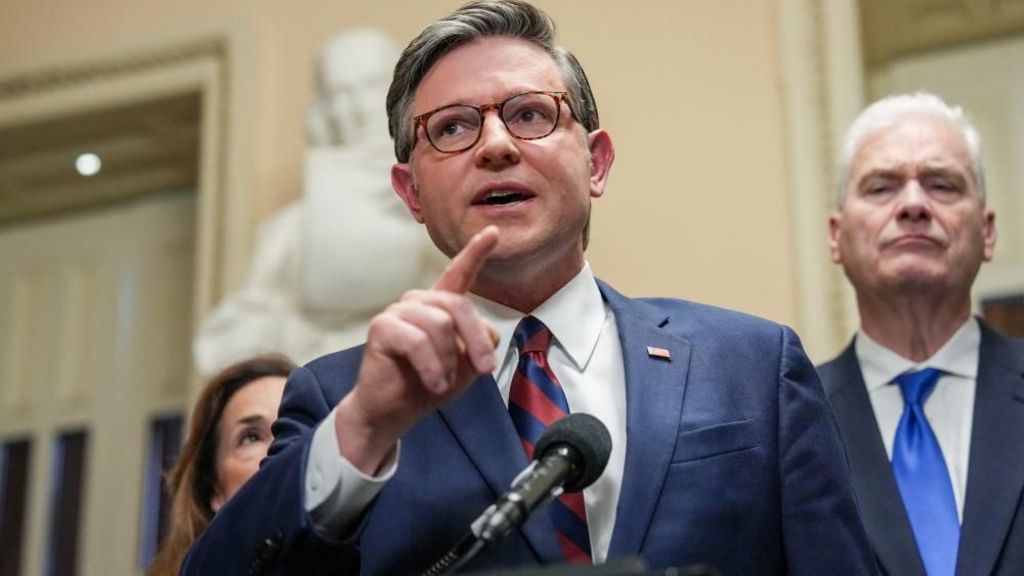
A severe political deadlock over immigration policy has plunged the U.S. Department of Homeland Security (DHS) into a prolonged funding crisis, triggering widespread travel chaos and leaving thousands of airport security agents unpaid. The situation escalated dramatically when House Republicans rejected a bipartisan Senate proposal and instead passed their own funding bill, ensuring the legislative impasse will continue for weeks.
The core conflict centers on immigration enforcement funding. House Republicans, led by Speaker Mike Johnson who dismissed the Senate bill as a ‘joke,’ demand that any DHS funding legislation must include full financing for immigration agencies. Their approved measure would fund DHS at current levels—including Immigration and Customs Enforcement (ICE)—for 60 days. ‘Republicans are not going to be any part of any effort to reopen our borders or to stop immigration enforcement,’ Johnson stated.
Meanwhile, Senate Democrats have taken a firm stance against providing what they characterize as a ‘blank check’ for immigration agencies without significant reforms. These demanded reforms include prohibiting ICE agents from wearing masks, banning racial profiling practices, and requiring judicial warrants before agents can enter private property. The debate intensified following the controversial shootings of U.S. citizens Renee Good and Alex Pretti by federal agents in Minneapolis earlier this year.
The human and operational consequences have been severe. Approximately 50,000 TSA agents have worked without pay since mid-February, leading to reduced staffing levels as many cannot afford to report for work. According to Jim Szczesniak, aviation director for the Houston Airport System, only 33-50% of TSA checkpoints are currently operational, creating hours-long security queues and widespread travel disruptions nationwide.
In an unprecedented move, President Donald Trump signed an executive order directing his administration to pay TSA agents directly, with the DHS announcing agents might receive paychecks as early as March 30. However, this action faces potential legal challenges as the U.S. Constitution explicitly grants Congress the power to authorize federal spending.
With Congress now beginning a two-week recess, the funding crisis appears intractable in the immediate term. The House-approved bill faces almost certain rejection in the Senate, where Majority Leader Chuck Schumer has already declared it ‘dead on arrival.’ The political standoff ensures that the travel chaos and financial hardship for DHS employees will continue indefinitely.