A coalition of retired U.S. military personnel has issued a stark warning about extensive Israeli influence shaping American military strategy, particularly concerning the ongoing conflict with Iran that has already claimed American lives. The veterans allege this foreign guidance has directly compromised national security and resulted in unnecessary casualties.
Thirteen U.S. service members have been officially recognized as killed since operations commenced on February 28, though veterans suggest the actual toll may be significantly higher. They point to overwhelmed military hospitals in Germany as indication of unacknowledged casualties. President Trump’s acknowledgment of inevitable wartime losses has been met with criticism, particularly after his administration restricted media access to ceremonies honoring returning casualties.
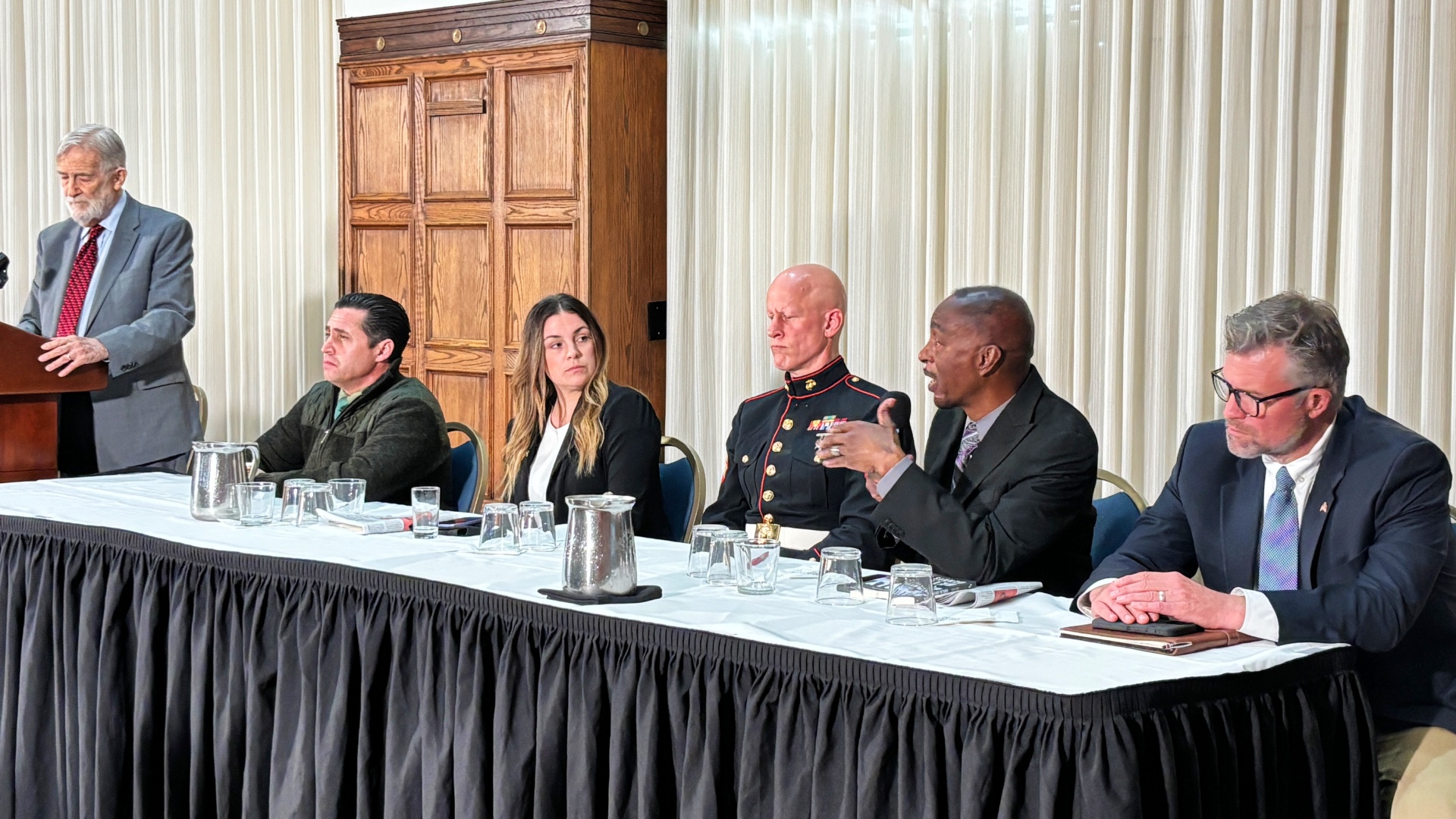
The veterans identify a devastating strike on an elementary school in Minab, Iran, as emblematic of problematic intelligence sharing. The attack, which resulted in 165 fatalities predominantly among children, was reportedly conducted based on Israeli intelligence. Former Green Beret Anthony Aguilar confirmed the intelligence origin during a National Press Club address, noting the building had served as a school since 2016.
Retired Air Force Chief Master Sergeant Dennis Fritz articulated a broader perspective: “We have always been part of the master plan in the taking over of the Middle East on behalf of Israel, starting with Iraq. Our personnel believed they were fighting for America, but were ultimately betrayed into serving another nation’s interests.”
Analysts suggest dual motivations drive U.S. policy. While Washington maintains independent strategic interests in neutralizing Iranian military capabilities, it operates in close coordination with Israeli objectives. This alliance remains officially prioritized, with Congress consistently recognizing Israel as America’s paramount regional partner.
The influence of political financing mechanisms, particularly through organizations like AIPAC, has created substantial pressure on policymakers to maintain unwavering support for Israeli interests. This dynamic persists despite growing questioning among conservative factions regarding the special relationship’s strategic value.
Military culture itself has been shaped by this alliance, with war strategy expert Michael Vlahos noting: “Israeli forces have cultivated a mythic reputation among American officers through cross-training programs that have fundamentally influenced U.S. tactical approaches and institutional attitudes.”
The veterans concluded that perpetual instability serves strategic objectives, enabling continuous military engagement. As former Marine special operations officer Ivan Ingraham stated: “We require instability to project the power we espouse. This endless cycle ultimately uses our military personnel as pawns in illegal conflicts.”