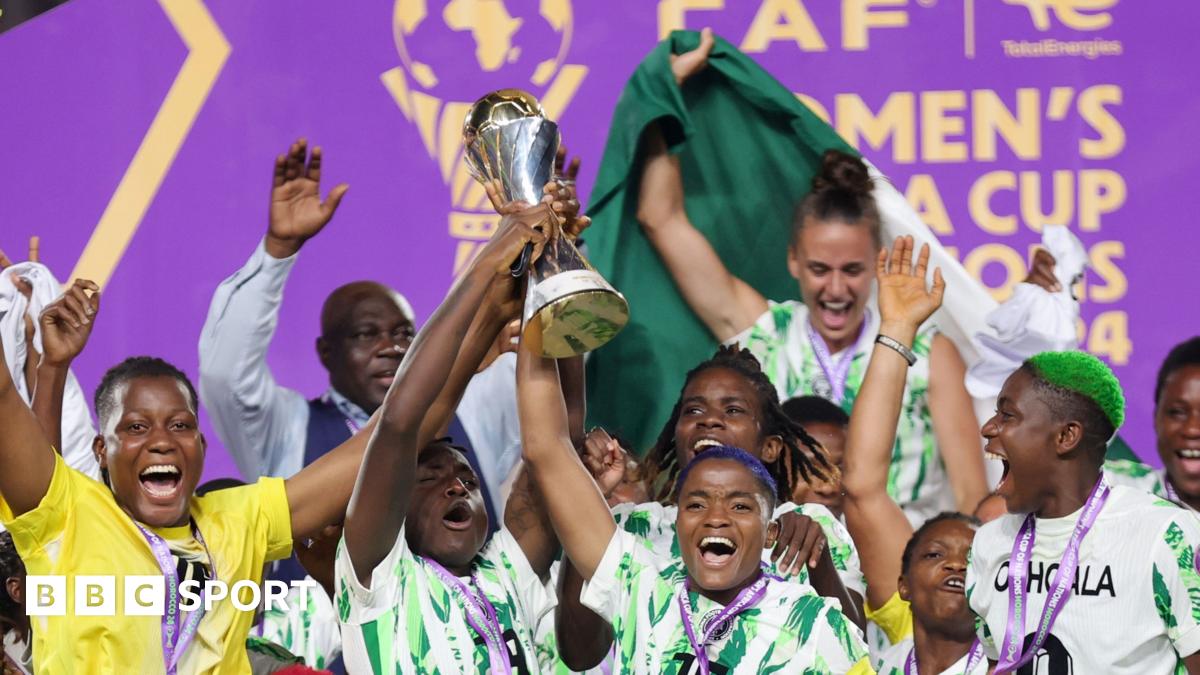
The Confederation of African Football (CAF) faces mounting scrutiny over its abrupt decision to postpone the 2026 Women’s Africa Cup of Nations (WAFCON), originally scheduled to commence on March 17th. The tournament has now been rescheduled for July 25th through August 16th, yet the precise rationale behind this eleventh-hour delay remains officially undisclosed, generating widespread confusion and frustration across the African football community.
In a striking contradiction to CAF’s opaque reasoning, Moroccan Minister of Industry and Trade Ryad Mezzour asserted the nation’s preparedness, stating, “Morocco is always ready to host any competition, any time.” This declaration underscores a significant disconnect between the host nation’s claimed readiness and the continental governing body’s actions. Morocco has solidified its status as a premier hub for African football in recent years, having successfully hosted an array of tournaments including the previous two WAFCON editions, multiple CAF Champions League finals, and various age-group competitions.
The postponement controversy is further inflamed by the recent and highly contentious aftermath of the men’s Africa Cup of Nations final, also held in Morocco. Senegal’s dramatic extra-time victory was controversially overturned by CAF’s independent appeal board following a formal protest from the Royal Moroccan Football Federation (FRMF). This decision, which reversed initial sanctions against Senegal’s coach, has fueled speculation regarding potential political tensions influencing the women’s tournament scheduling.
With merely 12 days’ notice provided before the intended kick-off, national teams were plunged into disarray during their final preparation phases. Nigeria defender Ashleigh Plumptre, a reigning champion, articulated the profound impact on players, noting the tournament’s dual significance as a qualifier for the 2027 FIFA Women’s World Cup. “Many teams haven’t even been in the Afcon before, never mind had the chance to qualify for a World Cup,” Plumptre emphasized, highlighting the missed opportunities for development and financial support for emerging nations.
Despite the uncertainty, sources close to the FRMF indicate Morocco still anticipates hosting the rescheduled event, with CAF required to formally revoke hosting rights if any change is intended. This episode raises critical questions about the prioritization of women’s football within CAF’s administration, contrasting sharply with the handling of men’s competitions and casting a shadow over Morocco’s preparations as a co-host for the 2030 FIFA World Cup alongside Spain and Portugal.