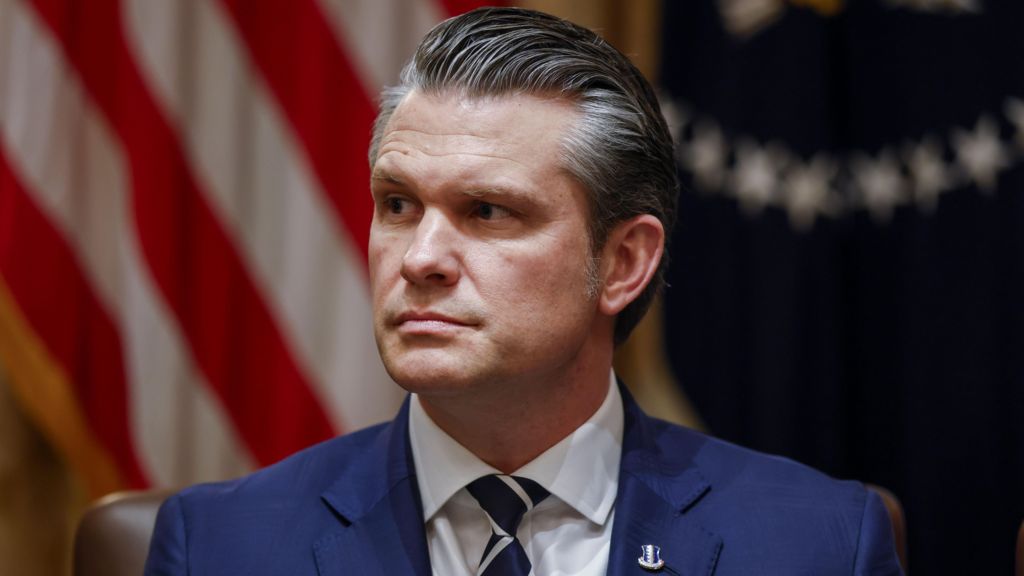
In a significant legal development, artificial intelligence firm Anthropic has secured a preliminary victory in its constitutional challenge against the U.S. Department of Defense. Federal Judge Rita Lin issued a ruling on Thursday that temporarily blocks enforcement of directives from President Donald Trump and Defense Secretary Pete Hegseth mandating immediate cessation of Anthropic tool usage across government agencies.
The court order determined that the government’s actions constituted attempted retaliation against Anthropic for its public expressions of concern regarding military applications of its technology. Judge Lin characterized the measures as potentially “crippling Anthropic” and suppressing public debate, noting that the administration’s public statements labeling the company as “woke” and composed of “left-wing nut jobs” suggested First Amendment violations rather than genuine security concerns.
The litigation originated from Anthropic’s refusal to accept expanded contract terms that would permit “any lawful use” of its AI systems, including Claude. Company leadership, including CEO Dario Amodei, expressed concerns that such broad authorization could enable mass surveillance operations against American citizens and deployment of fully autonomous weapon systems.
Following the contracting impasse, the Defense Department issued an unprecedented “supply chain risk” designation typically reserved for foreign adversarial entities. The subsequent presidential directive ordered all federal agencies to immediately discontinue using Anthropic’s technology.
Judge Lin’s ruling allows continued operation of Anthropic systems within government and military contracting operations pending final resolution of the lawsuit. The court found that the government’s actions “far exceed the scope of what could reasonably address such a national security interest” if the dispute were merely contractual.
Anthropic expressed satisfaction with the interim ruling while emphasizing its commitment to collaborative engagement with government entities to ensure responsible AI development. The case represents the first judicial examination of constitutional protections extending to AI companies challenging government contracting practices.