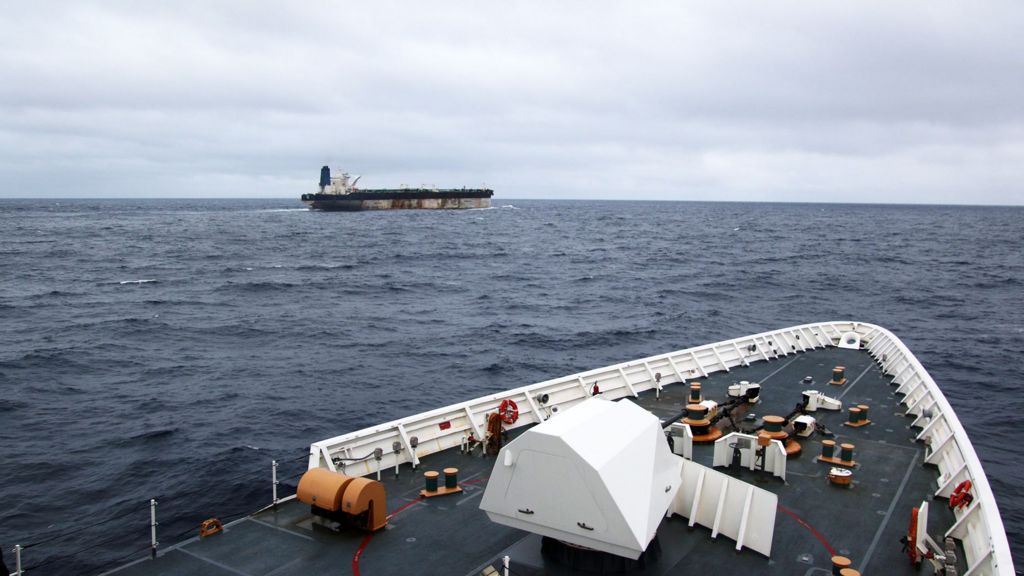
British military forces are in final stages of preparation to intercept and detain vessels from Russia’s clandestine maritime network, following Prime Minister Sir Keir Starmer’s authorization of military operations against these sanctioned ships. This decisive action targets Russia’s systematic evasion of oil sanctions that finance its ongoing conflict in Ukraine.
The government has established legal justification under the 2018 Sanctions and Money Laundering Act, permitting UK forces to board prohibited vessels within British territorial waters. While no boarding operations have occurred yet, senior officials indicate the first intervention is imminent after specialized military units completed intensive training exercises simulating various engagement scenarios.
Prime Minister Starmer, speaking ahead of the Joint Expeditionary Force summit in Helsinki, emphasized the strategic importance of disrupting Russia’s shadow operations: “Putin anticipates benefiting from Middle East instability through elevated oil prices. Our intensified pursuit of his shadow fleet aims to sever the illicit revenue stream funding his brutal campaign in Ukraine.”
Royal Navy personnel have already collaborated with Nordic allies including Finland, Sweden, and Estonia in monitoring and tracking suspicious vessels. Advanced ship-tracking technology enables identification of sanctioned ships approaching UK waters weeks in advance, allowing military planners to select initial targets for interception.
The government estimates approximately 75% of Russia’s crude oil transports via aging vessels in this shadow network, with sanctions currently applied to 544 identified ships. Elite units including the Special Boat Service and Royal Marines stand prepared to execute operations, with contingency planning for potential armed resistance from crew members.
This development follows Britain’s earlier participation in a joint operation with US forces seizing the Marinera oil tanker for sanctions violations. Defence Secretary John Healey and Attorney General Lord Hermer recently coordinated with international legal counterparts to clarify jurisdictional parameters for various engagement scenarios.
Opposition Conservatives acknowledged the importance of excluding sanctioned vessels but criticized what they characterized as inadequate resource allocation to armed forces, stating Labour demonstrates “denial about the scale of threats our country faces.”