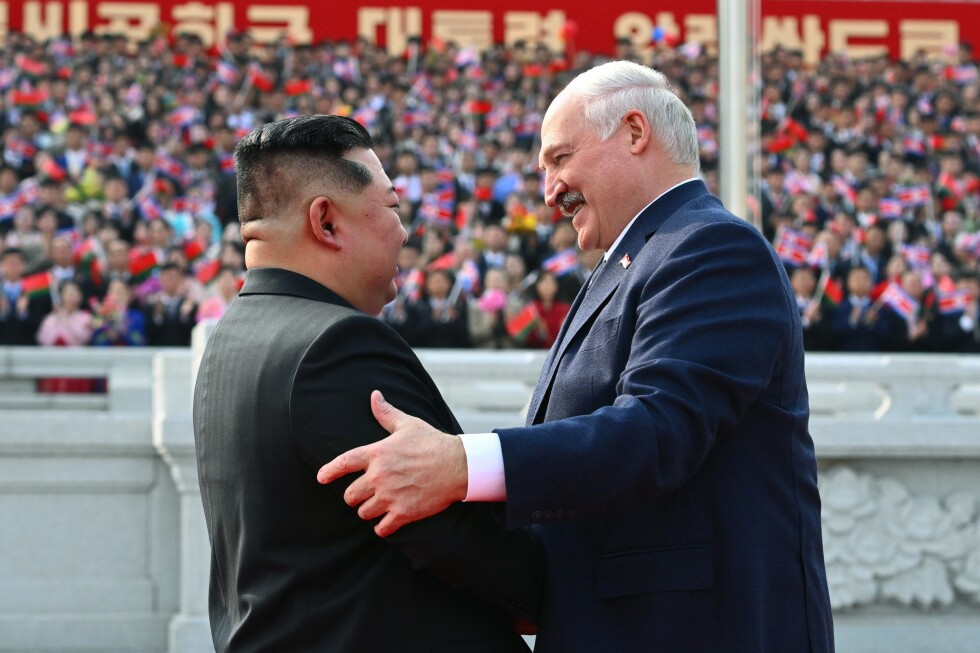
In a significant geopolitical development, Belarusian President Alexander Lukashenko and North Korean leader Kim Jong Un convened in Pyongyang on Thursday to formalize a comprehensive friendship and cooperation agreement. The high-level meeting, marking Lukashenko’s two-day official state visit, resulted in what both leaders characterized as a foundational document elevating bilateral relations to unprecedented levels.
President Lukashenko proclaimed the newly signed treaty as ‘fundamental’ to the future trajectory of Belarus-North Korea relations, declaring that the partnership was ‘entering a new stage.’ He acknowledged historical limitations in cooperation while expressing sincere satisfaction with the recent intensification of collaborative efforts between the two nations.
‘In today’s reality of global transformation, when global powers openly ignore and violate international law, independent countries need to cooperate more closely,’ Lukashenko emphasized during the talks. He stressed the necessity for sovereign nations to ‘consolidate efforts aimed at protecting their sovereignty and improving the well-being of our citizens.’
Kim Jong Un reciprocated with strong declarations of solidarity, offering ‘full support’ for Belarus while condemning what he characterized as ‘unlawful pressure on Belarus from the Western powers.’ The North Korean leader’s statements highlighted the converging geopolitical positions of both nations amid increasing international isolation.
The alliance carries substantial strategic implications given both countries’ existing partnerships with Russia. Belarus has functioned as a critical staging area for Moscow’s military operations in Ukraine since February 2022, while recently authorizing the deployment of Russian tactical nuclear weapons on its territory. Simultaneously, North Korea has dramatically shifted its foreign policy toward Moscow, providing substantial military support including troop deployments and weapons transfers to bolster Russia’s campaign in Ukraine.
This meeting represents the second direct engagement between Lukashenko and Kim, following their previous encounter in Beijing during September 2025. The strengthened partnership signals the emergence of a more formalized anti-Western bloc among nations facing extensive international sanctions and diplomatic pressure.