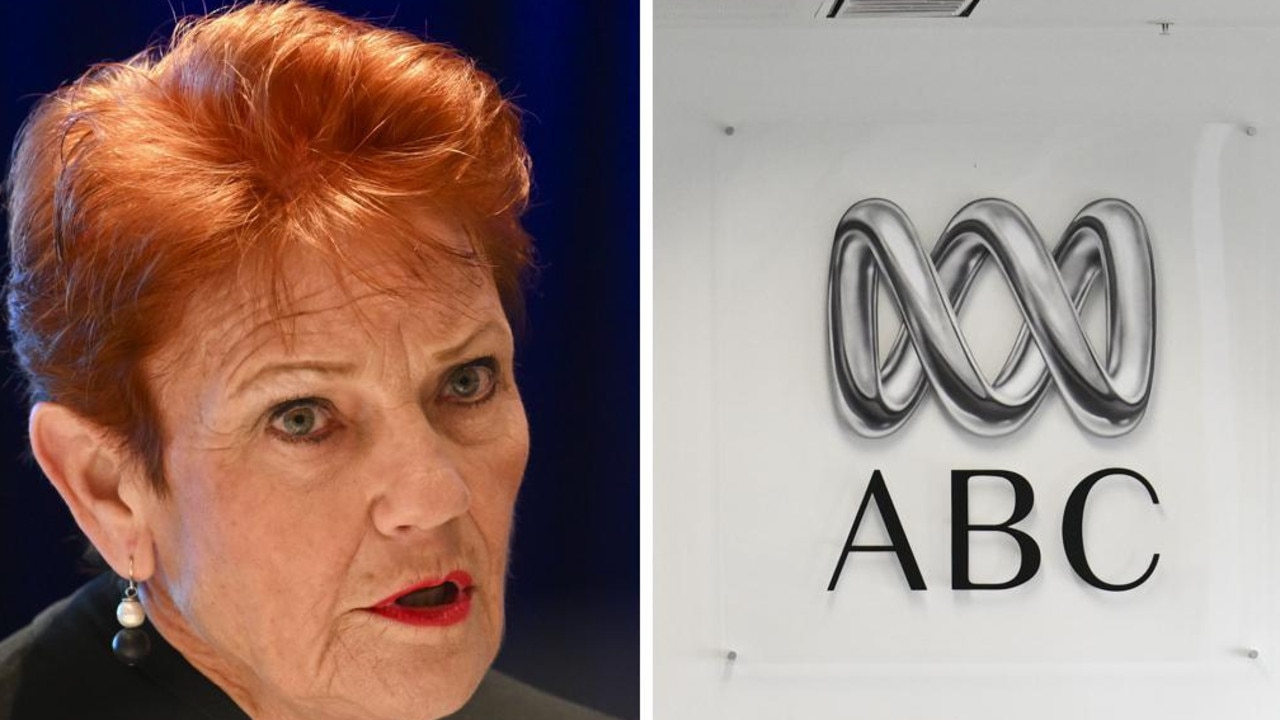
In a significant political development, One Nation leader Pauline Hanson has called for the comprehensive defunding of the Australian Broadcasting Corporation (ABC), proposing to transition all services except regional radio to a subscription-based model. This controversial stance emerges concurrently with the national broadcaster experiencing its most substantial industrial action in two decades.
During an appearance on Sky News, Senator Hanson articulated her vision for radically restructuring the ABC, which currently receives approximately $1.2 billion in annual taxpayer funding. She characterized the broadcaster as having ‘lost its ratings’ and questioned the value proposition it offers to the public. ‘Defund it,’ Hanson stated unequivocally. ‘Then they can have to reapply for the jobs and it’d be subscription only.’
The political leader made a distinct exception for regional radio services, acknowledging they ‘do a great job’ and suggesting this specific service should remain publicly funded. Her proposal would effectively dismantle the current national broadcasting model for television and digital services, requiring consumers to pay directly for content.
This policy declaration coincides with a 24-hour strike by ABC staff protesting failed negotiations concerning pay, working conditions, and artificial intelligence implementation policies. The industrial action represents the most severe labor dispute within the organization in over twenty years.
Hanson’s relationship with the national broadcaster has been historically contentious. She referenced perceived adversarial coverage spanning three decades, noting in her comments that the ABC had ‘attacked’ her throughout her political career. The senator reinforced her position through social media channels, declaring she wouldn’t miss the broadcasting service during the strike action.
The Media Entertainment and Arts Alliance, representing striking workers, has not excluded the possibility of additional industrial measures if negotiations remain stalled. This development occurs against a backdrop of ongoing political debate regarding public broadcasting funding models and editorial independence in Australia’s media landscape.