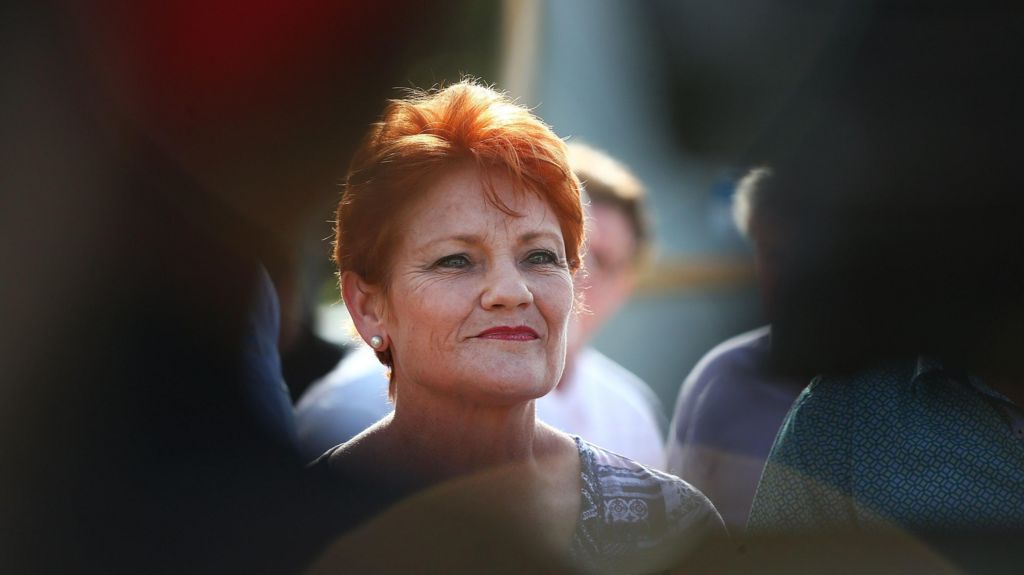
Three decades after her improbable parliamentary entrance as a Queensland fish-and-chip shop owner, Pauline Hanson has transformed into Australia’s most persistent populist force. Her right-wing One Nation party, long relegated to the political fringe, is experiencing a remarkable resurgence fueled by widespread voter disillusionment with mainstream politics.
The movement’s breakthrough arrived on March 21st in South Australia’s state election, where One Nation captured over 20% of the vote—its strongest performance outside Hanson’s home state. While Labor Premier Peter Malinauskas secured a decisive victory, One Nation gained at least three legislative seats, primarily at the expense of the conservative Liberal Party. This outcome signals a potential reconfiguration of Australia’s traditionally two-party dominated landscape.
Political analysts view this development as particularly ominous for established parties. Kos Samaras, former Labor strategist and polling firm director, notes this represents a significant shift in Australia’s political gravity. The resurgence stems from multiple factors: a severe cost-of-living crisis, internal fractures within the Liberal-National coalition, and growing perception that mainstream parties disregard ordinary citizens’ struggles.
Voter testimonials reveal this discontent. Brittany, a 36-year-old aged care worker from Adelaide, abandoned her lifelong support for the Liberal-National Coalition, citing economic pressures. Similarly, 68-year-old former Labor voter Andrew Sheffield expressed frustration with housing affordability crises affecting his children and grandchildren.
One Nation’s campaign strategy proved remarkably comprehensive in South Australia. The party recruited prominent former Liberal senator Cory Bernardi to lead its ticket and fielded candidates in every electorate. Their platform emphasized housing supply expansion and immigration restrictions—though immigration policy remains federally controlled.
Hanson’s political journey embodies turbulence. Initially endorsed as a Liberal candidate in 1996, she was removed from the ticket after criticizing welfare provisions for Indigenous Australians. Nevertheless, she achieved one of Australia’s largest electoral swings to claim a safe Labor seat. Her maiden parliamentary speech warned against Australia being ‘swamped by Asians,’ establishing her controversial reputation.
Despite losing reelection within two years and spending 18 years in political exile, Hanson maintained public visibility through provocative stunts. These included wearing a burka in parliament to advocate for its ban, facing racial vilification charges, and receiving formal censure for anti-Muslim comments. In 2003, she was briefly imprisoned for electoral fraud before having her conviction overturned.
According to biographer Dr. Anna Broinowski, Hanson’s endurance stems from her self-fashioned image as an ‘anti-politician’ who channels public frustration against elite institutions. Her early adoption of digital communication in the 1990s and recent forays into film production with right-wing commentator Holly Valance demonstrate innovative outreach strategies.
The Bondi Beach shooting in December, which authorities attribute to Islamic State-inspired attackers, potentially amplified receptiveness to Hanson’s anti-immigration messaging. Simultaneously, the conservative opposition’s internal turmoil created opportunities for One Nation, evidenced by high-profile defections including former deputy prime minister Barnaby Joyce.
However, significant challenges persist. The party has historically struggled with candidate selection, member retention, and navigating Australia’s preferential voting system. Over 60% of elected One Nation representatives have eventually left the party, often amid public acrimony. Former members have described Hanson’s leadership style as dictatorial and cited organizational dysfunction.
Political scientists like Dr. Jill Shepherd argue that Australia’s electoral system—featuring compulsory voting and preferential ballots—likely prevents extreme political swings. She notes One Nation lacks the organizational discipline and resources to seriously challenge major parties at national levels, predicting the Coalition will eventually reclaim disaffected voters.
Despite these limitations, Hanson remains undeterred. Following the South Australian results, she announced expansion plans targeting Victoria’s upcoming state election and a federal by-election in New South Wales. For supporters and critics alike, her message resonates clearly: Australia’s political establishment ignores growing populist sentiments at their peril.