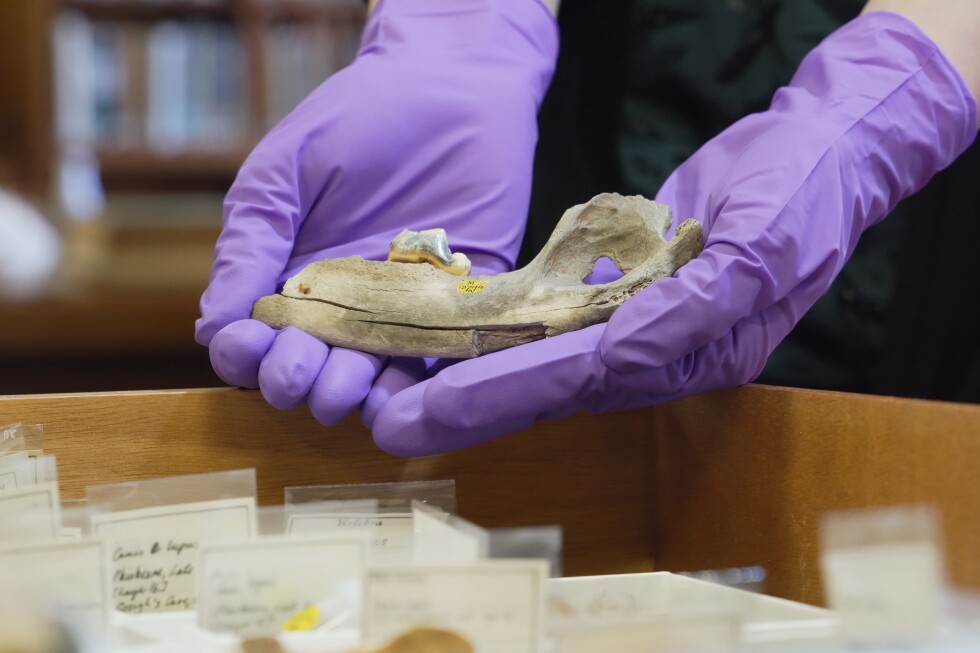
Groundbreaking genetic research has fundamentally reshaped our understanding of canine domestication, revealing that dogs have been humanity’s companions for at least 15,800 years—5,000 years longer than previously established. Two landmark studies published in Nature have employed innovative DNA extraction techniques to analyze over 200 ancient canine and wolf specimens, providing unprecedented insights into the origins of our furry friends.
Scientists have long theorized that dogs descended from ancient gray wolf populations in Europe or Asia through a gradual process of domestication where wolves became less aggressive while adapting to human coexistence. However, the precise timeline and geographical origins remained elusive until researchers developed specialized methods to isolate and study degraded ancient DNA, which is typically heavily contaminated and difficult to extract.
The genetic evidence demonstrates that by 14,200 years ago, dogs had already established widespread presence across Western Europe and Asia, coexisting with hunter-gatherer societies long before the advent of agriculture. Remarkably, European dog genomes remained relatively consistent despite major human migrations during the agricultural revolution, suggesting canine populations were less affected by incoming human groups than previously thought.
Unlike their Asian and American counterparts whose genetic patterns closely mirror human migration, European dogs maintained genetic continuity through thousands of years of societal changes. While the exact appearance of these earliest dogs remains uncertain, researchers speculate they likely resembled smaller wolves and may have assisted humans with guarding, hunting, and potentially even providing companionship to children.
This research represents a significant advancement in paleogenomics while underscoring the enduring bond between humans and dogs—a relationship that has persisted for millennia and continues to evolve today.