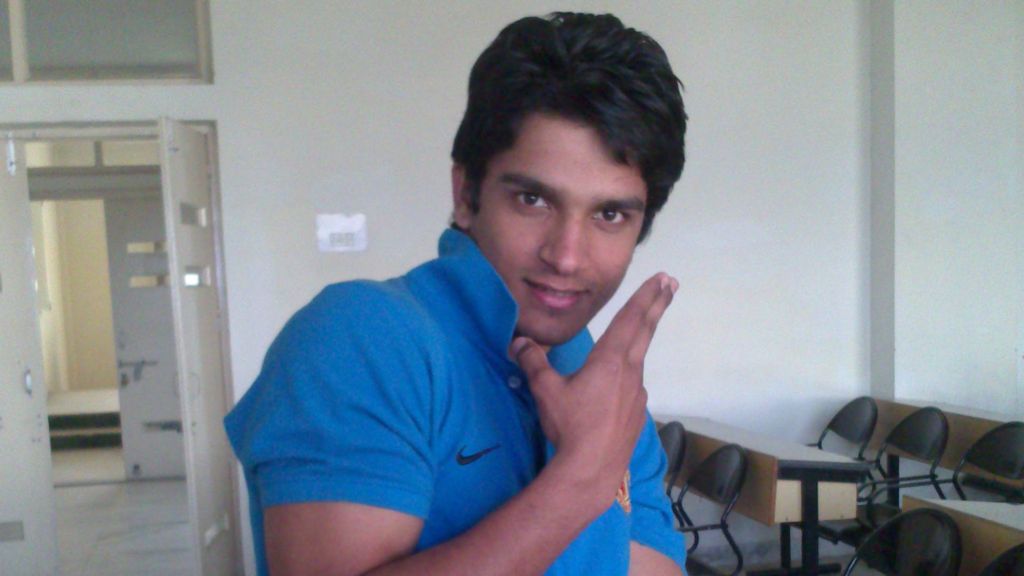
In a landmark judicial decision with profound ethical implications, 31-year-old Harish Rana has died following the withdrawal of life support in India’s first court-sanctioned passive euthanasia case. Rana passed away Tuesday at Delhi’s All India Institute of Medical Sciences (AIIMS) palliative care unit, concluding a twelve-year medical ordeal that began in 2013 when the engineering student suffered catastrophic head injuries from a fourth-floor balcony fall.
The legal journey began when Rana’s parents petitioned courts to withdraw life-sustaining treatment for their son, who had remained in a persistent comatose state without prospect of recovery. The case presented unique legal challenges as Rana had never executed a ‘living will’—a legal document established by India’s 2018 Supreme Court ruling that permits adults to specify medical treatment preferences in terminal circumstances.
After initial rejections from both Delhi High Court and Supreme Court in 2024, the parents successfully renewed their petition in 2025 based on their son’s deteriorated condition and dependence on artificial life support. The Supreme Court mandated two separate medical boards to evaluate Rana’s prognosis, both concluding he had irreversible brain damage, negligible recovery potential, and required complete external support for basic bodily functions.
The medical assessments detailed extensive bed sores and permanent neurological impairment, with clinicians confirming Rana showed no responsiveness to treatment. On March 11, the Supreme Court authorized medical professionals to exercise clinical judgment, leading to the transfer to palliative care and subsequent removal of life support.
The case establishes significant precedent for end-of-life decisions in India’s legal landscape, particularly regarding patients without advance directives. The family’s attorney confirmed this would influence future cases involving permanently incapacitated individuals across the country.
Financial exhaustion and concerns about their son’s future care after their own deaths motivated the parents’ petition, highlighting systemic challenges in long-term critical care management within India’s healthcare framework.