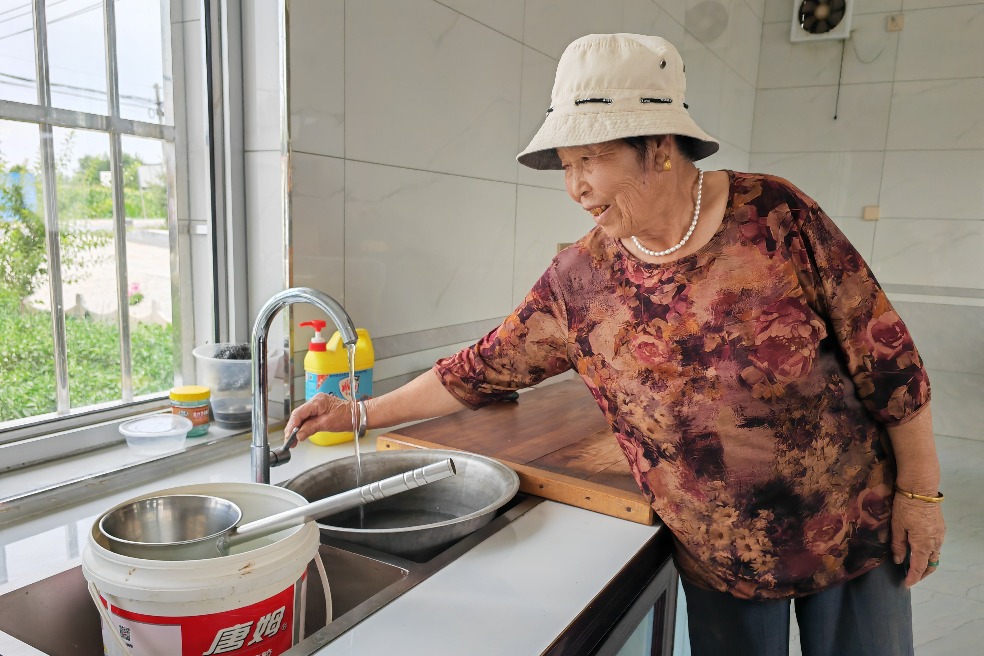
The Chinese government has unveiled a comprehensive national strategy to enhance the operational sustainability and maintenance protocols of rural water supply networks. This initiative, jointly promulgated by the Ministry of Water Resources alongside five additional governmental bodies, establishes a systematic framework designed to standardize management practices across the entire water supply continuum—from source extraction to end-user faucets.
Key operational priorities outlined in the directive include guaranteeing adequate water volume, maintaining stringent quality standards, and fortifying emergency response capabilities for water provision. Particular emphasis is placed on addressing infrastructure vulnerabilities in underdeveloped regions and strengthening system reliability where service gaps persist.
The policy further advocates for measured implementation of pricing mechanism reforms while simultaneously ensuring the protection of public welfare and household affordability. A significant component involves diversifying funding mechanisms for operation and maintenance through public-private partnerships, encouraging private capital investment via integrated construction-management models while maintaining governmental oversight.
This development builds upon substantial progress in rural water accessibility, with national tap water coverage reaching 96% by the conclusion of 2025, reflecting China’s ongoing commitment to urban-rural infrastructure parity.