The Middle East conflict entered a new phase of complexity as diplomatic overtures intertwined with ongoing military operations. Iranian authorities confirmed receiving a communication from Washington through intermediaries, though they characterized the contents as ‘points under review’ rather than formal negotiations.
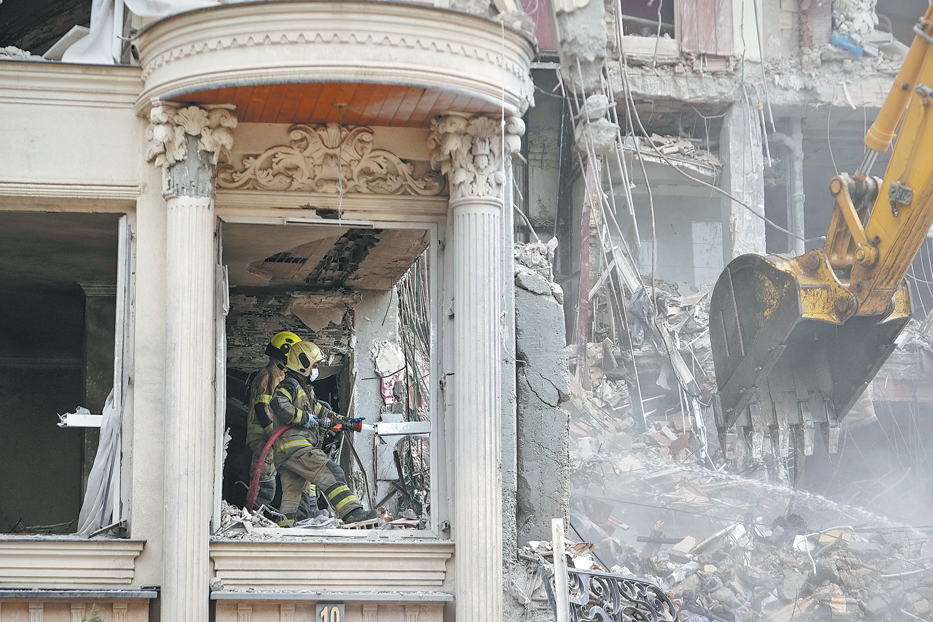
This development occurred against a backdrop of continued violence, with Iranian forces launching missile barrages toward Israel while Israeli aircraft conducted strikes in central Tehran targeting command centers. Simultaneously, Israel intensified its operations against targets in Lebanon’s southern suburbs near Beirut.
The diplomatic landscape revealed significant contradictions. US President Donald Trump announced ‘very good and productive conversations’ with Iranian officials, a claim immediately rejected by Tehran as market manipulation tactics. Mohammad Bagher Ghalibaf, Speaker of Iran’s Parliament, explicitly denied any negotiation proceedings, labeling such reports as ‘fake news’ designed to influence financial markets.
International efforts to de-escalate the situation intensified. Chinese Foreign Minister Wang Yi, during discussions with Iranian counterpart Seyed Abbas Araghchi, emphasized the necessity of dialogue over military confrontation. Araghchi provided assurances regarding the Strait of Hormuz remaining accessible for peaceful navigation while acknowledging China’s humanitarian assistance.
Regional security dynamics continued evolving with Iran appointing Mohammad Bagher Zolghadr, former Revolutionary Guards commander, as the new chief of the Supreme National Security Council. Meanwhile, market reactions demonstrated volatility—oil prices briefly dipped below $100 per barrel following Trump’s statements before rebounding to $104, reflecting a 40% increase since hostilities began.
Analytical perspectives varied significantly. The New York-based Soufan Center suggested potential US preparations for seizing Kharg Island under negotiation cover, while former Israeli intelligence expert Danny Citrinowicz interpreted Trump’s approach as recognition that attacking Iranian energy infrastructure would provoke severe retaliation.
Chinese diplomatic engagement continued with Special Envoy Zhai Jun meeting Israel’s Ambassador to China, underscoring the international community’s urgent efforts to facilitate peaceful resolution amid escalating tensions.