NAIROBI—Kenyan officials and industry leaders are formulating comprehensive strategies to capitalize on China’s groundbreaking zero-tariff initiative, anticipating a substantial surge in exports to the world’s second-largest economy. The development emerged during a high-level business forum convened by China Council for the Promotion of International Trade and Kenya Export Promotion and Branding Agency on Monday.
Deputy President Kithure Kindiki characterized China’s decision to grant duty-free access to African exports, effective May 1, as a transformative catalyst that could fundamentally reshape trade dynamics and industrial cooperation between the nations. “China’s vast consumer market of over 1.4 billion presents unprecedented opportunities for Kenyan exporters,” Kindiki emphasized, outlining governmental efforts to encourage movement up the value chain through processed agricultural exports including coffee, tea, and floral products.
The policy extension, which China will implement across all 53 African nations with which it maintains diplomatic relations, has been widely acknowledged as a pivotal measure to enhance African market access and export capabilities. Chinese Vice-President Han Zheng, addressing forum participants, framed the initiative as demonstrating China’s “resolve and sincerity in promoting Global South development for common prosperity.”
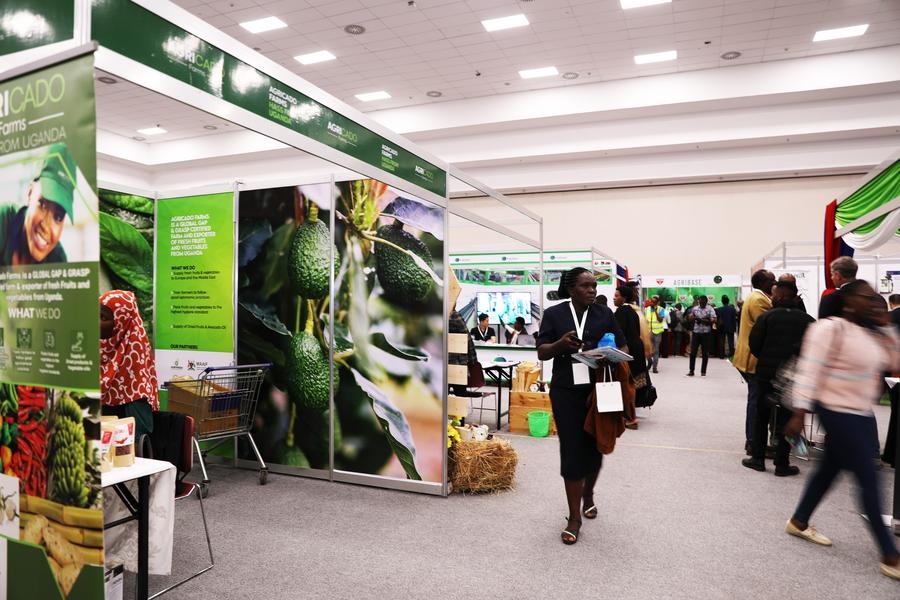
Kenya’s strategic approach focuses on value-added transformation, with Trade Principal Secretary Regina Ombam highlighting the shift from raw commodity exports to processed goods such as avocado oil. This methodology aims to simultaneously increase foreign exchange earnings, strengthen domestic enterprises, and generate employment opportunities.
Industry representatives acknowledged operational challenges in meeting export demands. Erick Rutto, President of the Kenya National Chamber of Commerce and Industry, stressed the necessity for producers to organize collectively to supply larger volumes while adhering to international standards. Meanwhile, Macadamia Nut Association Chairperson Pally Muthathai detailed innovative approaches including cooperative structures, contract farming, and digital platforms to coordinate over 200,000 farmers within complex value chains.
Complementing these efforts, Cabinet Secretary Lee Kinyanjui confirmed that government agencies are actively collaborating with exporters to ensure certification compliance and facilitate connections with Chinese buyers. Financial institutions are simultaneously exploring partnership models to provide export financing solutions and support production scaling.