The International Energy Agency (IEA) has issued a dire warning that the ongoing Middle East conflict could trigger an energy crisis surpassing the combined severity of both 1970s oil shocks. IEA Executive Director Fatih Birol stated that the world is already losing more daily oil output than during historic supply disruptions, compounded by natural gas market collapses.
Tensions escalated as U.S. President Donald Trump delivered a 48-hour ultimatum to Iran, demanding reopening of the Strait of Hormuz—a critical waterway handling 20% of global crude shipments—under threat of destroying Iranian power plants. Tehran responded defiantly, with Parliament Speaker Mohammad Bagher Ghalibaf warning that regional infrastructure would face “irreversible destruction” if the U.S. acted.
The conflict has already damaged at least 40 energy facilities across oil- and gas-exporting regions, driving oil prices above $100 per barrel. Iran has selectively permitted friendly nations’ vessels through the strait while blocking those from countries participating in “aggression” against it.
Military operations intensified with Israeli airstrikes targeting Tehran, creating massive smoke plumes visible to journalists. Israel expanded its ground campaign against Hezbollah in Lebanon, where violence has claimed over 1,000 lives and displaced more than one million people. Lebanese President Joseph Aoun condemned Israel’s bridge destruction operations as a “dangerous escalation” potentially preceding ground invasion.
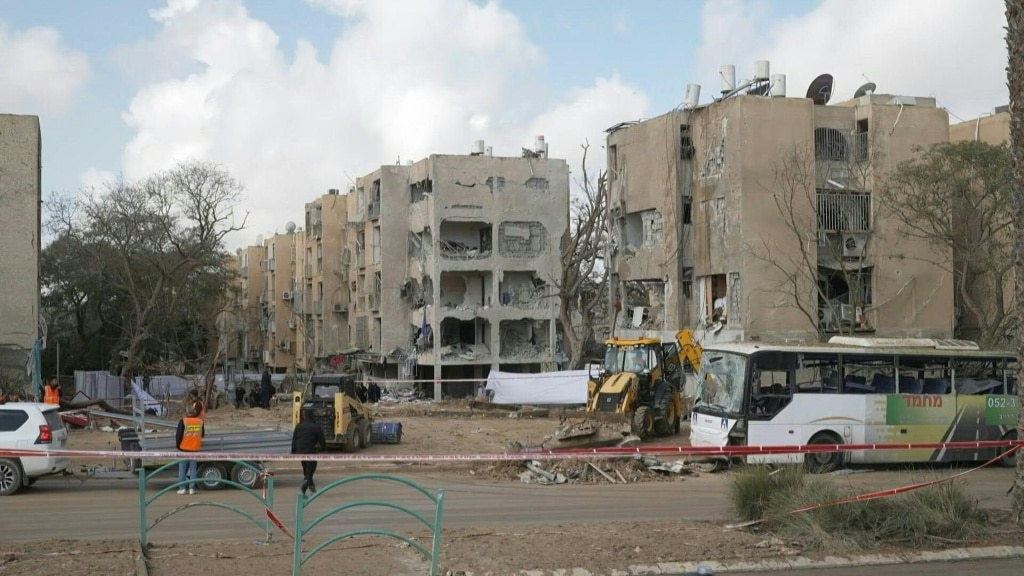
The humanitarian toll continues rising, with Iranian missiles striking near Dimona—close to Israel’s suspected nuclear facility—injuring dozens of civilians who believed themselves secure. Conflicting reports emerge regarding casualties and nuclear site attacks, with Tehran claiming retaliation for strikes on its Natanz facility while Israel denies awareness of such operations.
Global economic repercussions are already materializing, with Cambodian energy suppliers halting liquefied petroleum gas sales due to war-related disruptions. Financial markets reacted strongly to the escalating threats, with oil prices climbing and stocks tumbling amid fears of prolonged regional warfare.