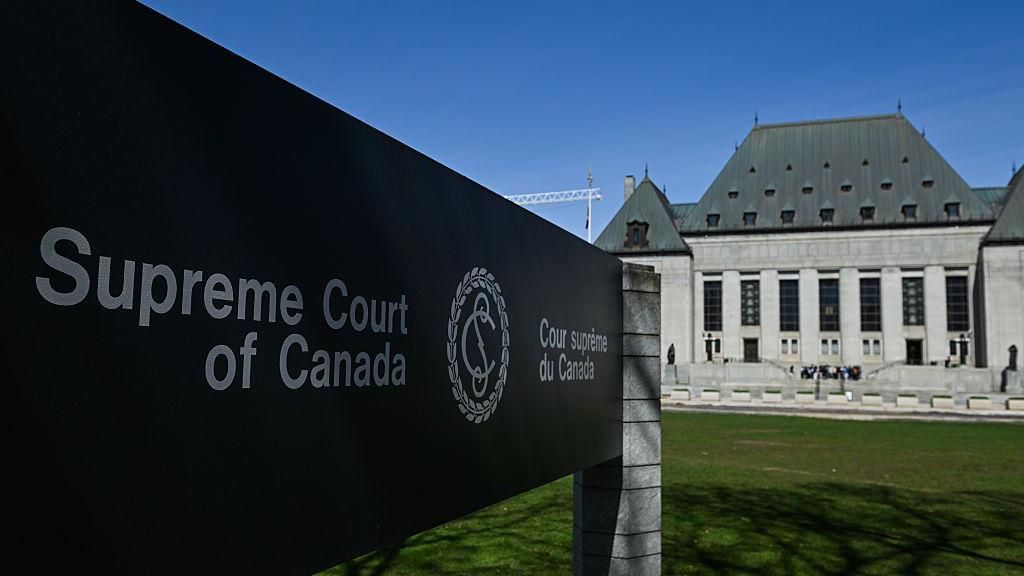
Canada’s Supreme Court is poised to hear a landmark constitutional challenge to Quebec’s controversial Bill 21, legislation that prohibits public servants from wearing religious symbols while performing official duties. The case represents what legal experts describe as the most significant constitutional test in decades, with implications extending far beyond religious expression to touch upon fundamental questions of national unity and the balance of power between courts and elected officials.
Enacted in 2019 by Quebec’s Coalition Avenir Québec (CAQ) government, Bill 21 bars judges, police officers, teachers, and other civil servants from wearing visible religious symbols including hijabs, turbans, and kippahs during work hours. To shield the legislation from constitutional challenges, Quebec invoked Section 33 of the Canadian Constitution—the controversial ‘notwithstanding clause’—which allows governments to temporarily override certain charter rights including freedom of religion and equality rights.
The Canadian Civil Liberties Association, among the appellants, has characterized Quebec’s legal arguments as ‘spine-chilling,’ warning that the province’s interpretation could theoretically allow governments to ban abortion, criminalize political dissent, or even legalize torture while preventing judicial review. More than 50 interveners including the federal government will participate in the four-day hearing, reflecting the case’s national significance.
Quebec maintains that Bill 21 represents a legitimate effort to establish state religious neutrality, similar to France’s laïcité principle. The province argues that the notwithstanding clause constitutes a ‘cornerstone’ of Canada’s constitutional framework that properly preserves parliamentary sovereignty. Polls indicate majority support for the legislation within Quebec, where secularism is considered central to provincial identity.
Opponents counter that the law disproportionately affects religious minorities—particularly Muslim women who wear hijabs—and creates barriers to public service employment. They argue the notwithstanding clause was intended as a limited ‘safety valve’ rather than a blanket authorization to preemptively override rights.
The case has ignited federal-provincial tensions, with five provincial premiers accusing Ottawa of threatening national unity by seeking judicial limits on the clause’s application. The Supreme Court’s ruling will establish precedent for how governments across Canada may employ the constitutional override mechanism for years to come, potentially reshaping the balance between individual rights and legislative power in Canadian law.