Amidst ongoing hostilities between Iran and the US-Israel alliance, fundamental questions emerge regarding Tehran’s strategic objectives and capacity to sustain its military campaign. While Western powers maintain clearly articulated goals—including nuclear containment, missile threat reduction, and proxy network degradation—Iran’s leadership demonstrates alarming strategic ambiguity coupled with deteriorating operational capabilities.
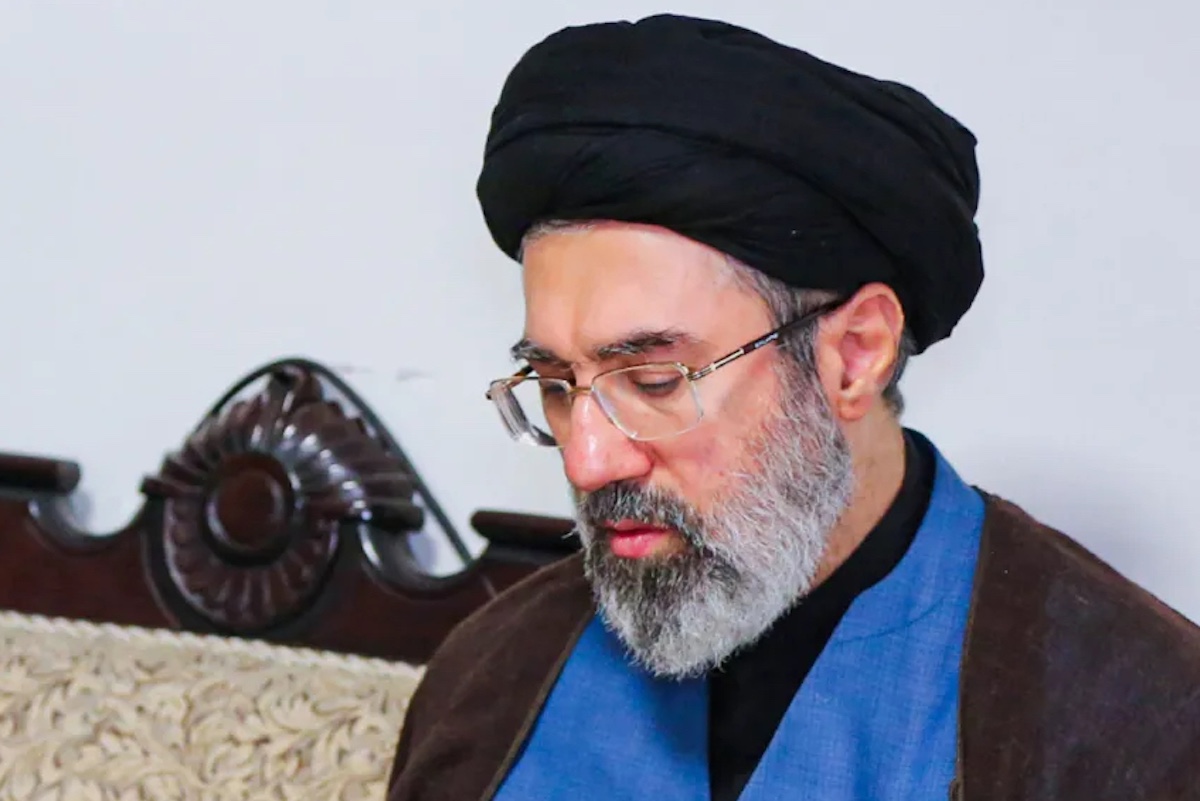
Iran’s initial belligerence, exemplified by Supreme Leader Khamenei’s promises of a “strong punch” against America and his successor’s vow to bring adversaries “to their knees,” contrasts sharply with the emerging military reality. The Islamic Republic has suffered disproportionate losses: its air defenses have been systematically dismantled, naval and air forces have sustained critical damage, and leadership assets have been systematically eliminated through precision strikes.
The economic dimension reveals even graver vulnerabilities. Iran’s currency has collapsed amid hyperinflation, while its oil exports—previously dependent on Chinese purchases through the Strait of Hormuz—have declined substantially. Critical water infrastructure damage compounds existing scarcity issues that previously triggered mass protests, with regime violence killing thousands of civilians earlier this year.
Tehran’s international alliances provide limited solace. Russia remains preoccupied with its Ukraine engagement, while Chinese support comes with stringent economic concessions. Iran’s proxy networks—including Hezbollah, Houthi forces, and Iraqi militias—remain dependent on Tehran’s diminishing resources rather than offering genuine strategic depth.
Environmental and humanitarian consequences are mounting. Attacks on energy infrastructure have caused ecological damage including “black rain” over Tehran, while selective closures of the Strait of Hormuz alienate energy-importing nations already suffering price spikes. The regime’s weapon stockpiles face depletion as manufacturing facilities are systematically targeted, with imported components from China becoming increasingly inaccessible.
Despite apocalyptic rhetoric about $200 oil prices, market realities remain manageable at approximately $105 per barrel, aided by US waivers for Russian oil exports. Regional diplomacy continues advancing without Iran, with Israeli “water diplomacy” strengthening ties with Gulf states through technical cooperation on desalination infrastructure repair.
The fundamental question remains: what constitutes rational endgame planning for a regime facing economic collapse, military degradation, and domestic unrest? With hardliners consolidating power despite demonstrated strategic failure, Iran appears to be accelerating toward systemic collapse rather than pursuing negotiated resolution. The coming weeks may determine whether the Islamic Republic can articulate coherent objectives beyond mere regime survival—a goal increasingly incompatible with its current trajectory.