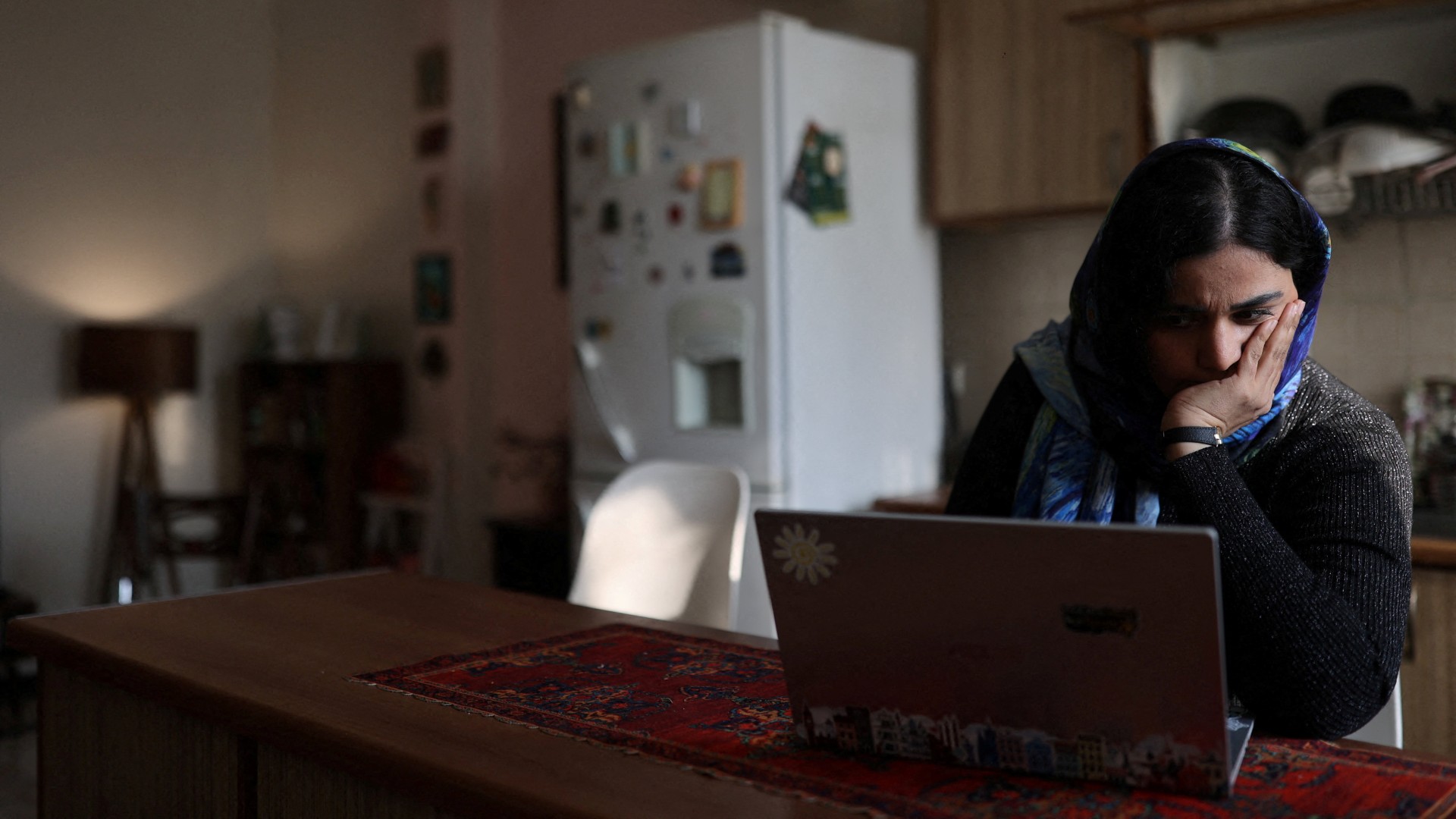
Iran has plunged into a severe digital isolation as authorities maintain an unprecedented internet blackout now entering its third week. According to NetBlocks, a global internet monitoring organization, connectivity levels have plummeted to less than 1% of normal capacity amid ongoing regional tensions.
The telecommunications lockdown has forced citizens to seek alternative access methods through clandestine channels. While some attempt to utilize Starlink satellite systems, the prohibitive cost and detection risks make this option impractical for most. Instead, Iranians are increasingly turning to virtual private networks (VPNs) and customized configurations available through black market vendors on Telegram.
Elaheh, speaking under pseudonym for security reasons, described the precarious process: “You must obtain referrals from trusted contacts to access sellers offering configuration files rather than standard VPN applications. These technical setups require implementation through tools like OpenVPN or V2Ray to route traffic through international servers.”
The digital underground economy presents significant risks. Maryam recounted losing approximately $50 to a fraudulent vendor who disappeared after payment. Conversely, legitimate providers like Alireza (a pseudonym for a computer engineering graduate) operate with extreme caution, noting that “this has transformed from commercial activity to security concern.”
Users face dual challenges: exorbitant prices that have increased five-fold within weeks, and serious security consequences. Arman, another user, reported receiving threatening text messages from security agencies warning of consequences for bypassing restrictions.
Iranian officials have intensified crackdowns, arresting numerous alleged VPN distributors. As Pegah, 29, noted: “Access has become both unreliable and prohibitively expensive, with weekly packages now costing up to 100 million rials while frequently failing to connect.”
The extended blackout follows established patterns of digital suppression during crises, though current restrictions exceed previous durations. As Elaheh observed: “These measures primarily impact ordinary citizens, generating increased frustration rather than addressing underlying security concerns.”