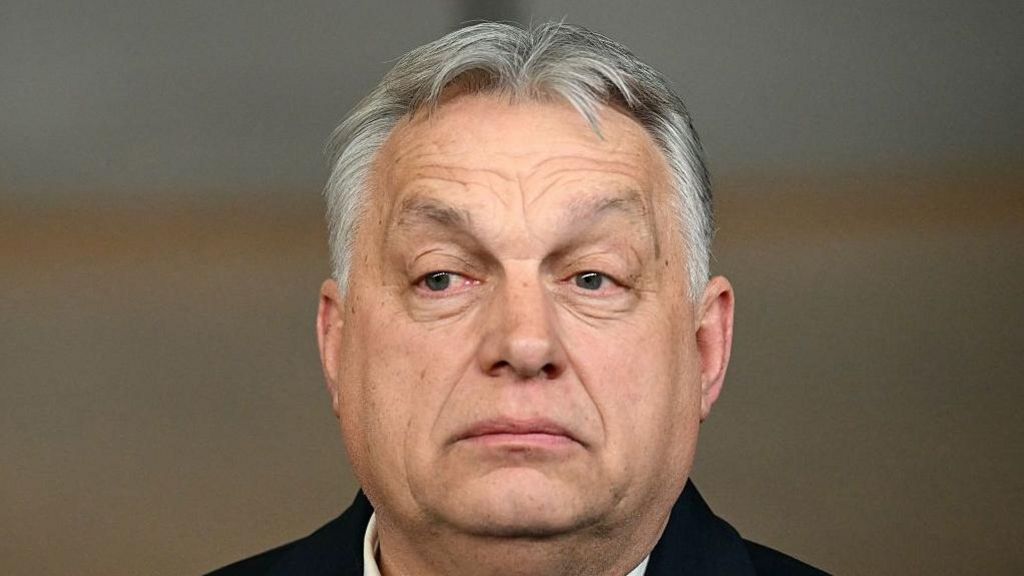
European Union leaders have erupted in fury against Hungarian Prime Minister Viktor Orbán, accusing him of disloyalty and political blackmail for vetoing a crucial €90 billion aid package for Ukraine. The dramatic confrontation unfolded during a tense Brussels summit that extended late into Thursday night.
Orbán justified his blockade by citing an ongoing dispute over the Druzhba pipeline, a Soviet-era conduit that normally transports Russian oil to Hungary and Slovakia through Ukrainian territory. The pipeline has been non-operational since January damage, with Budapest blaming Kyiv for inadequate repairs and Kyiv maintaining the damage resulted from Russian airstrikes.
“No oil = no money,” Orbán declared on social media platform X following the summit, directly linking energy supplies to financial assistance for Ukraine.
The Hungarian leader’s stance drew immediate condemnation from senior EU figures. German Chancellor Friedrich Merz characterized Orbán’s actions as “a gross act of disloyalty” that would “leave deep marks” on European unity. European Council President António Costa went further, labeling the maneuver “completely unacceptable” and declaring that “nobody can blackmail the European institutions.”
French President Emmanuel Macron described the summit outcome as “unprecedented” while insisting the aid package must be “implemented without delay.”
Orbán, who has maintained closer ties with Moscow than other EU leaders since Russia’s 2022 invasion of Ukraine, remained defiant. “It was a tough debate, but we stood our ground,” he posted, addressing Ukrainian President Volodymyr Zelensky directly: “As long as @ZelenskyyUa does not lift the oil blockade, they will not receive any money from Brussels.”
The blockade creates immediate financial pressure on Ukraine, with President Zelensky having urgently appealed for the funds during the summit. “For the third month now, the most important financial security guarantee for Ukraine from Europe is not working,” Zelensky stated. “This is critical for us. It is a resource to protect lives.”
Slovak Prime Minister Robert Fico, another Putin ally, joined Orbán in refusing to endorse the summit conclusions that reaffirmed intent to release the Ukrainian funds. With unanimity required for the aid package’s approval, EU leaders have postponed further discussion until their next meeting.
Despite the setback, European Commission President Ursula von der Leyen vowed the assistance would reach Ukraine “one way or the other,” while Macron rejected alternatives, insisting “there will be no plan B” because “plan A must be implemented.”