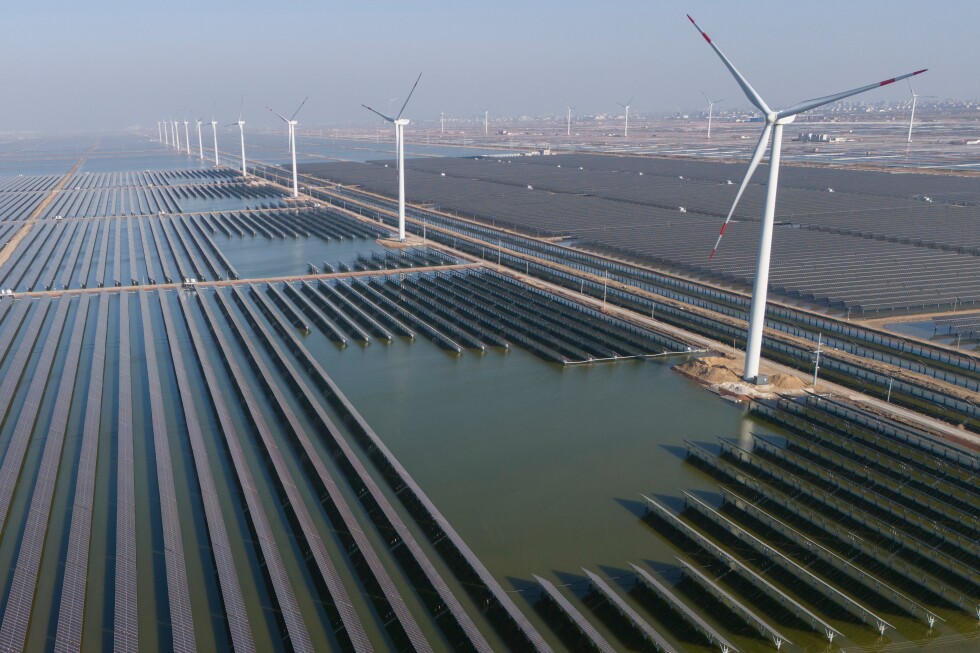
The ongoing conflict in Iran has dramatically revealed the world’s precarious dependence on fragile fossil fuel supply chains, intensifying calls for an accelerated transition to renewable energy sources. With hostilities effectively halting oil exports through the critical Strait of Hormuz—a narrow maritime passage handling approximately 20% of global oil and liquefied natural gas (LNG)—energy markets have experienced significant disruptions. These developments have triggered price surges and placed substantial strain on import-dependent economies worldwide.
Asia, as the primary destination for these oil shipments, has borne the brunt of the impact, though European and African nations likewise face considerable challenges. European policymakers are implementing energy demand reduction measures, while Africa prepares for escalating fuel costs and inflationary pressures.
Unlike previous energy crises, renewable power now presents cost-competitive alternatives to fossil fuels in numerous markets. The International Renewable Energy Agency reports that over 90% of new renewable projects initiated in 2024 offered cheaper electricity generation than fossil fuel alternatives.
The crisis extends beyond electricity generation, affecting fertilizer production, plastics manufacturing, and numerous other industries. Nations with more developed renewable infrastructure demonstrate greater resilience, as these systems utilize domestic solar and wind resources rather than imported fuels.
Energy analyst James Bowen of ReMap Research observes: “These crises regularly occur. They are a feature, not a bug, of a fossil fuel-based energy system.”
China and India, the world’s two most populous nations, present contrasting approaches to energy security. China has established global leadership in renewable adoption while remaining the largest crude oil importer and primary purchaser of Iranian oil. Approximately 10% of Chinese vehicles are now electric, significantly reducing import dependence according to International Energy Agency data.
Lauri Myllyvirta of the Centre for Research on Energy and Clean Air notes that without this transition, China would be “far more vulnerable to supply and price shocks.”
India has pursued renewable expansion at a slower pace with less governmental support for manufacturing and grid integration. Following Russia’s invasion of Ukraine, India prioritized energy security through discounted Russian oil purchases and increased coal production. While solar and wind capacity provided some cushioning effect, the country now faces cooking gas shortages affecting restaurants and industries.
Wealthy nations have responded variably to the crisis. Some European governments initially attempted to reduce fossil fuel dependence but subsequently focused on securing alternative suppliers. Germany constructed LNG terminals to replace Russian gas with American exports, potentially slowing its energy transition. Research indicates Europe’s fossil fuel spending since the Ukraine conflict represents approximately 40% of the investment required for full transition to clean energy.
Japan has predominantly diversified fossil fuel imports rather than investing substantially in domestic renewables, with solar and wind constituting merely 11% of its energy production.
Developing nations face particularly severe challenges, competing with wealthier countries for limited gas supplies. Import-dependent economies across Africa and Asia—including Benin, Zambia, Bangladesh, and Thailand—confront potentially devastating impacts from sustained high prices.
Kennedy Mbeva of the University of Cambridge’s Centre for the Study of Existential Risk emphasizes that African nations should strategically build long-term energy security through cleaner investments. While South Africa considers new gas infrastructure, Ethiopia has banned gasoline and diesel vehicles to promote electric transportation.
Renewable energy has provided measurable protection for some nations. Pakistan’s solar expansion has prevented over $12 billion in fossil fuel imports since 2020, with potential savings of $6.3 billion in 2026 alone. Vietnam’s solar generation stands to save hundreds of millions in avoided coal and gas imports.
Countries without renewable buffers are implementing emergency measures: Bangladesh has closed universities to conserve electricity and instituted fuel rationing, while Thailand has suspended petroleum exports and increased domestic production.
As research fellow Areeporn Asawinpongphan of the Thailand Development Research Institute concludes: “The time for promoting domestic renewables should have happened a long time ago.”