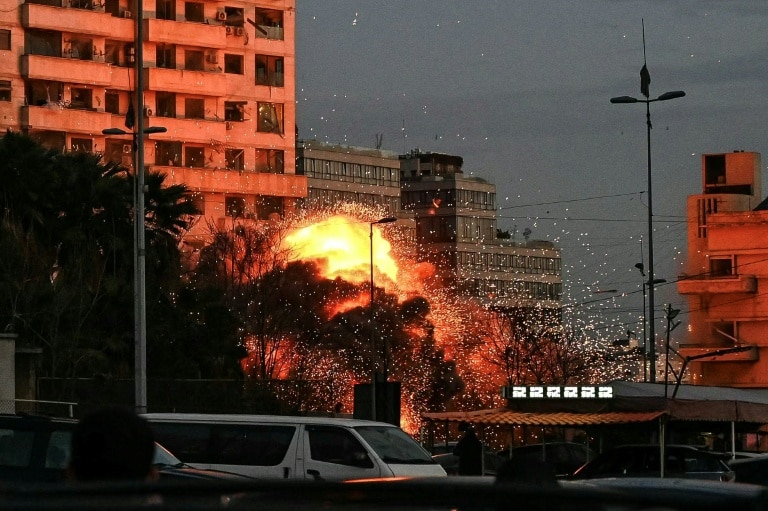
The Middle East conflict has intensified dramatically with a series of developments impacting global energy markets and regional stability. Multiple nations across the region reported significant incidents on Tuesday, highlighting the expanding nature of the ongoing hostilities.
Energy infrastructure emerged as a primary target with Kuwait’s Mina Al-Ahmadi refinery suffering a drone attack that ignited a limited fire, though Kuwait Petroleum Corporation confirmed no injuries resulted from the incident. Simultaneously, Qatar faced severe challenges as civil defense teams battled blazes at the critical Ras Laffan Industrial Area following strikes that damaged multiple liquefied natural gas facilities. The UAE also reported shutting down a gas facility due to falling debris from missile interceptions.
These energy sector attacks triggered immediate market reactions, with European gas prices surging up to 35% as the Dutch TTF natural gas benchmark contract jumped to €74 before moderating slightly.
The conflict’s human toll continued to mount with Iran announcing the execution of three individuals convicted of killing police officers and allegedly conducting operations for the United States and Israel. In northern Iraq, the Popular Mobilisation Forces reported two fighters killed in strikes targeting the Nineveh region and Salah al-Din province, blaming Israel and the United States for the attacks.
Diplomatic tensions flared as China strongly condemned Israel’s elimination of Iranian national security chief Ali Larijani, with Foreign Ministry spokesman Lin Jian calling the act ‘unacceptable’ and opposing ‘the use of force in international relations.’
Saudi Arabia signaled potential military escalation with Foreign Minister Prince Faisal bin Farhan stating the kingdom ‘has reserved the right to take military actions if deemed necessary’ in response to repeated missile and drone attacks from Iran.
The commercial impact spread globally as Hong Kong’s Cathay Pacific suspended flights to Dubai and Riyadh until month’s end, while maritime security agencies reported a projectile striking a vessel near the Strait of Hormuz, causing a fire.
Amid the escalating situation, the U.S. Federal Reserve raised its inflation outlook citing economic uncertainty stemming from the conflict, even as former President Trump threatened to destroy Iran’s South Pars gas field if further attacks occurred against Qatari facilities.
Israeli military officials vowed to continue targeting senior Iranian officials, confirming the elimination of Intelligence Minister Esmail Khatib and promising that ‘the series of eliminations will not stop.’