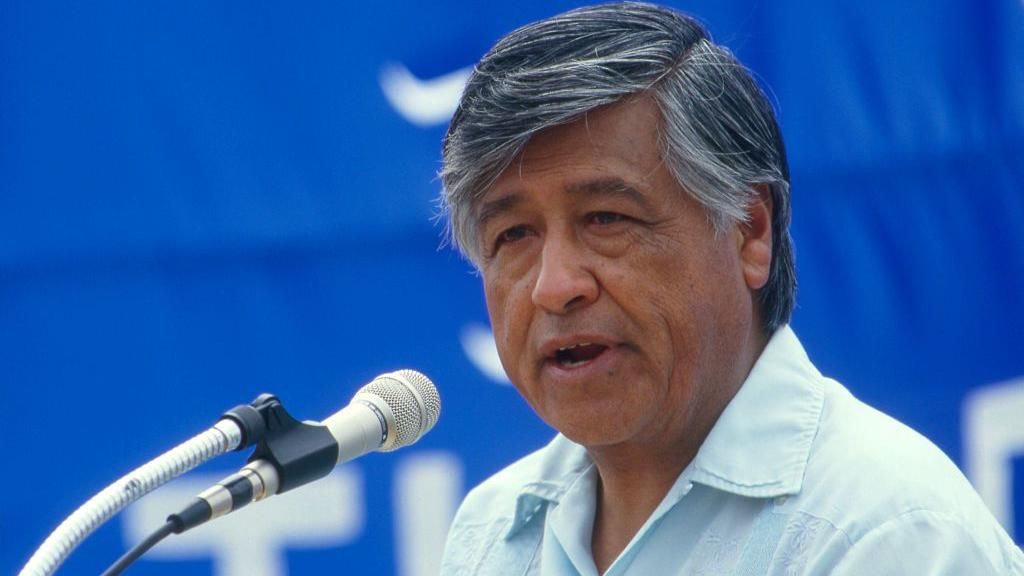
The towering legacy of American labor rights pioneer Cesar Chavez faces profound reassessment following devastating sexual misconduct allegations from multiple women, including his longtime movement co-leader. A New York Times investigation published Wednesday reveals accusations spanning decades against the late United Farm Workers (UFW) co-founder, who died in 1993.
Dolores Huerta, the 95-year-old civil rights icon who co-created the UFW with Chavez, disclosed two traumatic sexual encounters in the 1960s involving coercion and forced intimacy that resulted in pregnancies. She maintained secrecy for decades, explaining ‘building the movement and securing farmworker rights was my life’s work.’
Two additional accusers—Ana Murguia and Debra Rojas, both 66—detailed systematic abuse beginning in their childhood during 1972-1977, when Chavez was in his forties. Their accounts describe years of grooming and sexual exploitation within the labor movement infrastructure.
The revelations have triggered immediate institutional responses. Multiple scheduled events for Cesar Chavez Day (March 31) have been canceled or renamed, including the UFW’s official participation. California Governor Gavin Newsom acknowledged the movement transcends any individual, voicing support for ‘the courageous women’ while considering renaming the state holiday. Republican Assemblywoman Alexandra Macedo has filed legislation to redesignate the observance as Farmworker Day.
Los Angeles Mayor Karen Bass emphasized the systemic nature of such violations, stating ‘what Dolores, Ana, and Debra endured is not isolated, nor is it of the past.’ The League of United Latin American Citizens (LULAC) declared that ‘no individual, regardless of stature or legacy, is above accountability.’
The Chavez family expressed being ‘devastated’ while praising the accusers’ courage. The Cesar Chavez Foundation acknowledged ‘disturbing allegations’ of inappropriate behavior with women and minors during Chavez’s UFW presidency, pledging to support those potentially harmed and collaborate with farmworker movement leaders to address these historical claims.