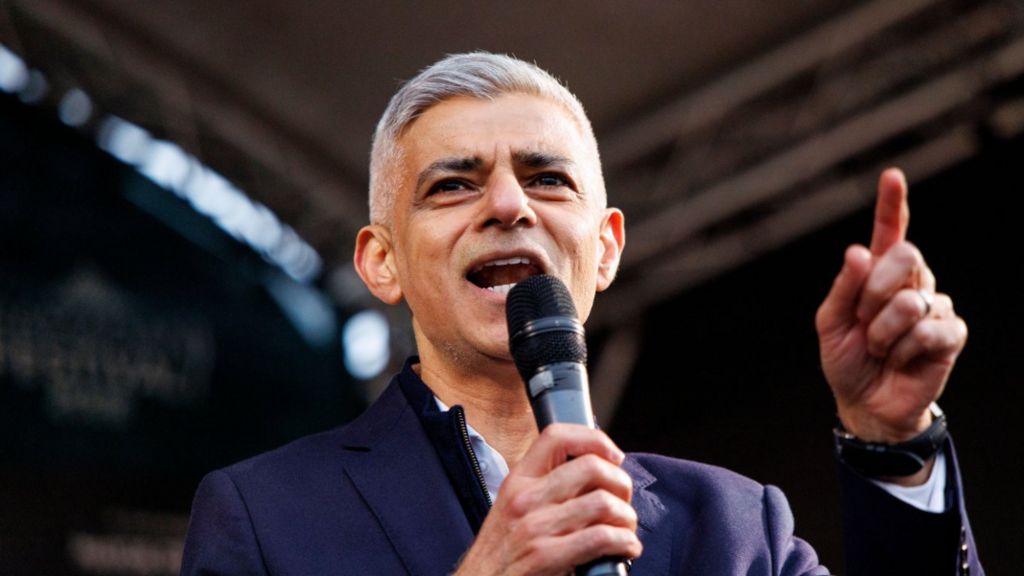
In a significant political intervention, London Mayor Sadiq Khan has publicly urged the Labour Party to commit to rejoining the European Union in its next general election manifesto. Speaking exclusively to Italian publication la Repubblica, Khan characterized Brexit as an ongoing catastrophe that has inflicted substantial economic, social, and cultural damage upon both London and the broader United Kingdom.
The Mayor proposed that Britain should initially seek readmission to the EU’s customs union and single market frameworks before pursuing full membership restoration. Remarkably, Khan suggested this political realignment might be achievable without conducting another national referendum, stating that evolving ‘facts and evidence’ have made reintegration ‘inevitable’.
This provocative stance triggered immediate backlash from Conservative officials, who accused Prime Minister Keir Starmer of exercising insufficient authority over his party. A Conservative spokesperson derisively claimed Starmer was ‘in office but not in power,’ citing simultaneous policy challenges from prominent Labour figures including Angela Rayner on immigration and Ed Miliband on foreign affairs.
The political confrontation escalated as former Prime Minister Sir John Major delivered a scathing assessment of Brexit’s consequences during an address at King’s College London. Major revealed that Britain’s separation from Europe has resulted in approximately £100 billion in lost trade and £40 billion in forfeited tax revenues annually, describing the situation as creating ‘enormous damage to the lives and livelihoods of the British people.’
While Reform UK pledged to resist any reengagement with EU structures, Green Party leader Zack Polanski echoed Khan’s criticisms, labeling Brexit an unmitigated ‘disaster.’ Even as Major acknowledged full EU reinstatement remains improbable in the immediate future, he emphatically advocated for rapidly rebuilding economic and diplomatic ties with European neighbors.
The emerging debate signals profound political divisions regarding Britain’s post-Brexit trajectory, with growing calls for policy reassessment from multiple political quarters as economic indicators continue demonstrating negative impacts.