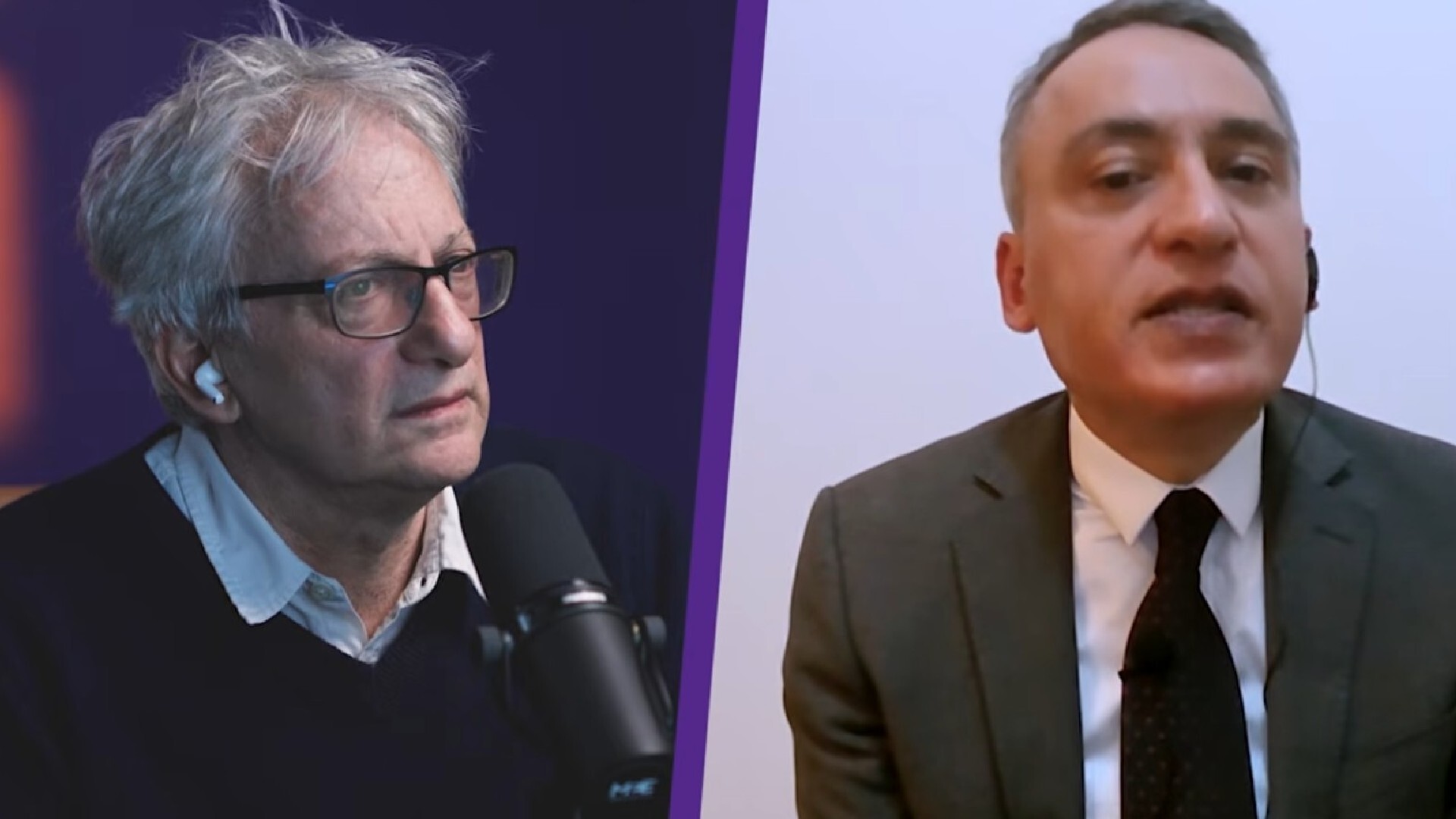
In an exclusive interview with Middle East Eye, France’s ambassador to Oman Nabil Hajlaoui has delivered a sharp diplomatic rebuke of the US-Israeli military campaign against Iran, characterizing the operation as both unjustified and outside international legal frameworks. The ambassador’s remarks, recorded for The David Hearst Podcast, represent a significant public divergence between Western allies regarding Middle East military strategy.
Hajlaoui articulated France’s position with notable clarity: ‘This military operation exists outside of international law and we cannot endorse it in any way. We see no justification, no supporting Security Council resolution, nor any situation requiring such rapid escalation to military action.’
The timing of the offensive, launched on February 28th, proved particularly troubling according to the French diplomat. The attacks coincided with a critical juncture in Oman-mediated negotiations between Washington and Tehran that had shown promising developments. Ambassador Hajlaoui revealed that French officials had received briefings indicating substantive progress in these talks, with several elements ‘moving in the right direction.’
This assessment aligns with recent statements from Omani Foreign Minister Badr bin Hamad Al Busaidi, who three weeks prior had announced Iran’s agreement to never stockpile enriched uranium and to degrade existing nuclear material to ‘the lowest level possible’ through an irreversible conversion process into fuel. The US-Israeli military operation commenced merely one day after these diplomatic breakthroughs.
Hajlaoui expressed understanding regarding Iran’s anger following the attacks, noting the natural frustration when ‘you discuss and then you are attacked.’ While acknowledging that Tehran’s concessions remained ‘very far from American expectations,’ the ambassador identified broader sticking points including Iran’s ballistic missile program and regional activities that Western powers view as destabilizing.
The French diplomat suggested Israel likely drove the momentum toward military confrontation rather than prolonged negotiations, stating: ‘I’m really not informed of the way the Israelis and Americans discussed this preparation, but we can just see that the momentum was pushed by the Israelis.’
This military escalation has generated profound disappointment in Muscat according to Hajlaoui, who described the mood as one of ‘clear dismay’ at what he termed a ‘collective failure to prevent war.’ The ambassador warned that Gulf states are being unwillingly drawn into a conflict they did not seek, despite their recent efforts to rebuild relations with Tehran.
Hajlaoui issued sobering warnings about the conflict’s potential expansion, noting the absence of clear limits to escalation. He highlighted the particularly grave economic implications should Iran close the Strait of Hormuz—the world’s most critical oil chokepoint through which approximately 20% of global oil output and one-third of liquefied natural gas transit.
While France has deployed an aircraft carrier to the region as reassurance to partners, Hajlaoui emphasized that France has no intention of involvement ‘in any way in this war.’ The nation is collaborating with allies to monitor the strategic strait but will refrain from active intervention during ongoing military operations.
The ambassador characterized potential US troop deployment as ‘a very big game changer’ that would contradict the administration’s stated policy of avoiding ‘endless wars.’ Such escalation would represent ‘an incredible political risk’ and a total policy shift according to Hajlaoui.
Finally, the diplomat expressed concern about the undermining of multilateralism internationally, citing reduced US contributions to UN agencies and the creation of alternative forums competing with established international institutions.