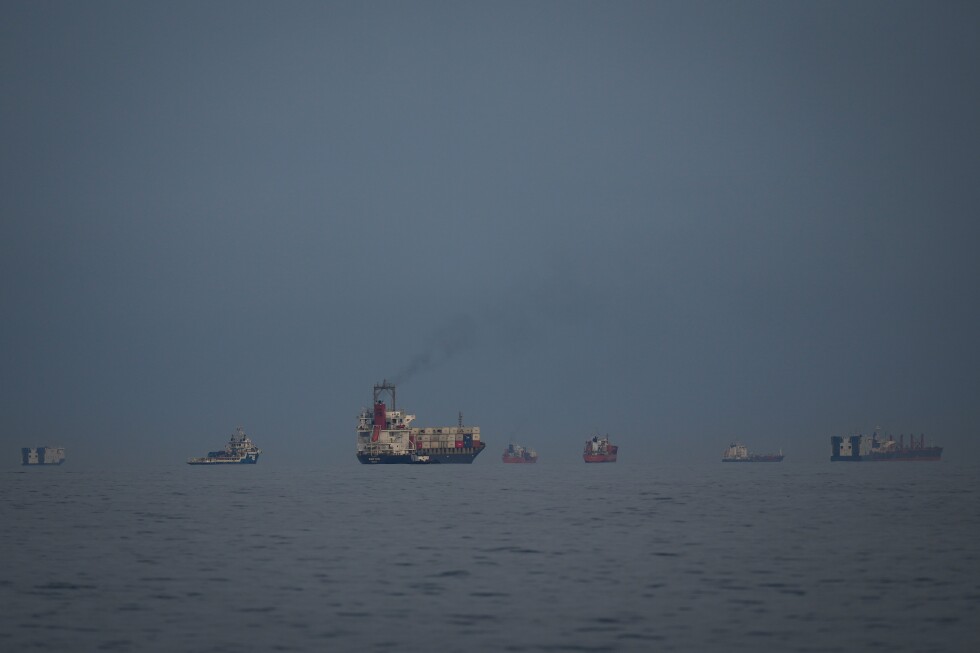
Despite ongoing military conflict and effective closure of the Strait of Hormuz, Iran has successfully maintained substantial oil exports through sophisticated maritime operations, according to comprehensive data from maritime intelligence and trade analytics platforms.
Maritime intelligence from Lloyd’s List Intelligence reveals approximately 90 vessels, including 16 oil tankers, transited the strategic waterway between March 1-15. This represents a dramatic reduction from the pre-conflict daily average of 100-135 vessels, yet demonstrates Iran’s continued export capabilities. Notably, over one-fifth of these transiting vessels maintained suspected Iranian affiliations, employing ‘dark’ transit techniques to evade Western sanctions and oversight.
Trade analytics platform Kpler estimates Iran has exported exceeding 16 million barrels of oil since early March, with China emerging as the primary beneficiary of discounted Iranian crude amid Western sanctions. “Iran has demonstrated continued resilience in oil export volumes,” noted Kpler trade risk analyst Ana Subasic.
The geopolitical landscape reveals complex diplomatic maneuvering. Vessels affiliated with India and Pakistan have recently joined Iranian-linked tankers in successful strait transits. Two Indian-flagged liquefied petroleum gas carriers, Shivalik and Nanda Devi, navigated the strait around March 13-14 following diplomatic engagement between New Delhi and Tehran. Similarly, Pakistan’s Karachi tanker completed its passage on Sunday, though officials remained discreet about its routing.
Richard Meade, Editor-in-Chief of Lloyd’s List, suggests these transits likely occur “with at least some level of diplomatic intervention,” indicating Iran may have “effectively created a safe corridor” for selected maritime traffic near its coastline.
The strategic dynamics have propelled oil prices beyond $100 per barrel—a 40% surge since conflict initiation—prompting U.S. Treasury Secretary Scott Bessent to acknowledge permitting Iranian tanker movements to stabilize global markets. Meanwhile, Iran maintains threats to blockade oil shipments destined for the U.S., Israel, and allied nations.
Consulting firm Reddal’s Kun Cao contextualizes the situation: “The strait isn’t simply closed but functions through selective access—prioritizing Iranian exports and a narrow set of tolerated non-Iranian movements.” However, ING strategists warn that if Tehran’s objective remains inflicting economic pain through elevated energy prices, transit permissions may become increasingly restricted.