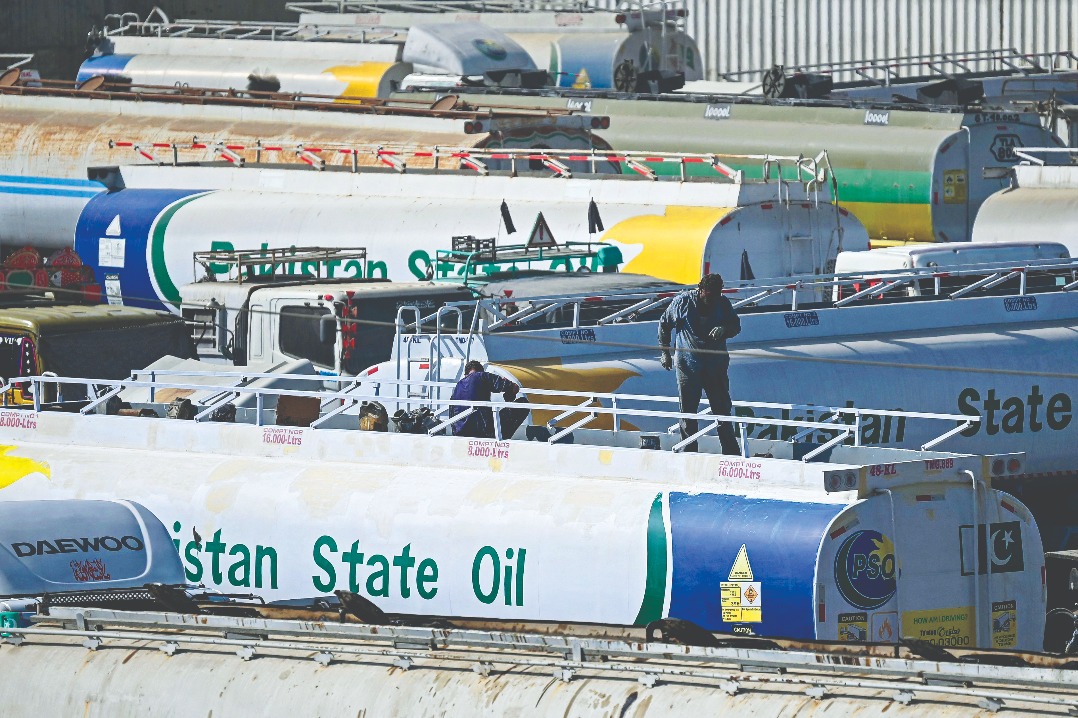
The Asia-Pacific region faces mounting economic pressures as escalating conflict in the Middle East triggers significant oil market disruptions, forcing governments to implement emergency measures and households to reconsider traditional celebrations.
Global energy markets have been thrown into turmoil since February 28th when joint U.S.-Israel military operations commenced against Iran. The subsequent closure of the Strait of Hormuz shipping lane and production cuts announced by Gulf oil producers including Kuwait, the UAE, and Iraq sent crude prices surging past $120 per barrel on March 9th—marking the first breach of the $100 threshold since July 2022.
This energy shock is reverberating across consumer economies throughout the region. In Indonesia, the world’s most populous Muslim-majority nation, thousands are abandoning the annual ‘mudik’ tradition—the mass exodus of urban workers returning to their hometowns for Eid al-Fitr celebrations. Transportation ministry data indicates a nearly 2% decline in travelers, with approximately 143.9 million people opting out of the customary journey.
Jakarta residents Nugrah Wisnu Adi, a computer repair shop owner, and Murniati, a vegetable vendor, exemplify this trend. Both have canceled their homecoming plans due to concerns about rising transportation costs and anticipated increases in basic commodity prices.
According to Nawazish Mirza, Professor of Finance at Excelia Business School in France, “Fuel and transport costs roughly account for 10 to 15 percent of consumer price indices in several Asian economies. This means oil spikes quickly ripple through food distribution and manufacturing supply chains.”
The International Energy Agency responded on March 11th by announcing the release of 400 million barrels from emergency reserves. Member nations Japan, South Korea, and Australia have initiated record strategic petroleum releases, with Japan deploying reserves equivalent to 45 days of domestic demand.
Investment bank Nomura warns the region faces a “stagflationary shock”—a combination of high inflation and economic stagnation—with severity dependent on the duration of supply disruptions. The analysis reveals stark disparities in regional preparedness: Japan and South Korea maintain crude reserves covering 200 days of demand, while Indonesia possesses only a 25-day stockpile and the Philippines approximately 60 days.
Governments across the region are implementing diverse countermeasures. Philippine government offices have adopted four-day work weeks, while Pakistan, Thailand, and Vietnam are promoting remote work arrangements. Malaysia has intensified anti-smuggling enforcement, and South Korea and Thailand have imposed domestic fuel price caps.
Energy analysts highlight that the crisis may accelerate renewable energy adoption. Dinita Setyawati, senior analyst at energy policy think tank Ember, notes that prolonged volatility could “widen disparity between more developed Asia and emerging economies in the region.”
The Institute for Energy Economics and Financial Analysis (IEEFA) emphasizes that renewables offer a financially sustainable solution. Ramnath Iyer, IEEFA’s Sustainable Finance Lead for Asia, points to compelling economics: “The levelized cost of energy for solar and wind is only $40 per megawatt-hour, compared to approximately $130 for natural gas at current LNG prices.”
As the region navigates this energy crisis, the collective response may ultimately determine whether current challenges become catalysts for accelerated energy transition or sources of prolonged economic hardship.