International partners are demonstrating significant reluctance to join U.S.-led patrol operations in the strategically vital Strait of Hormuz, creating diplomatic friction as the waterway remains effectively blockaded by Iran. The situation has triggered global economic concerns as approximately 20% of the world’s oil shipments navigate through this critical chokepoint.
Former President Donald Trump voiced frustration through his Truth Social platform, characterizing NATO alliances as ‘a one way street’ after most member states reportedly declined involvement in securing the strait. This response came despite Trump’s March 14th appeal for naval support from China, France, Japan, South Korea, and the United Kingdom.
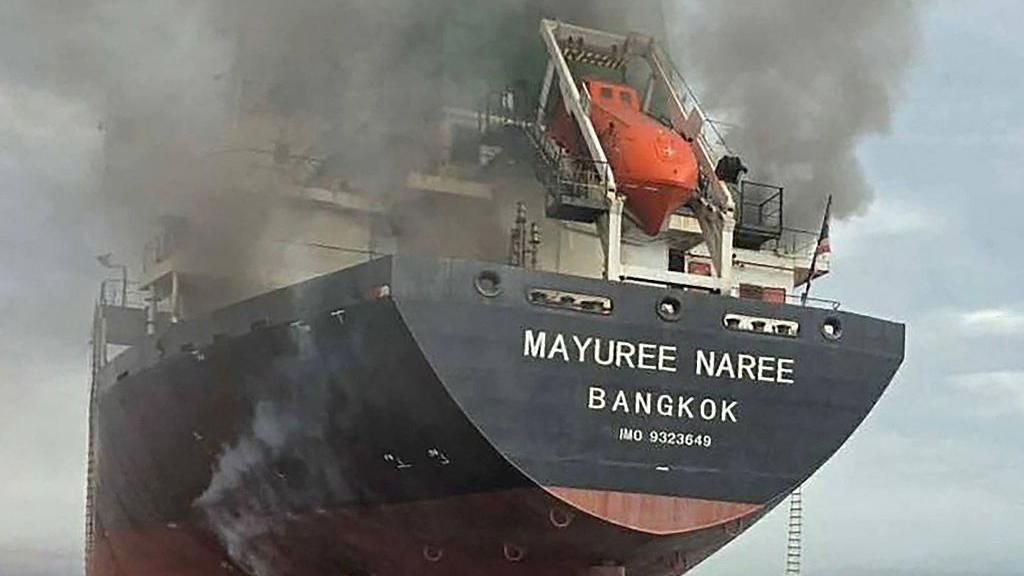
The geopolitical standoff intensified following February 28th military actions by Israel and the United States against Iran, prompting Tehran to restrict maritime access exclusively to vessels transporting Iranian oil to preferred trading partners including India and China. Over the past fortnight, multiple commercial cargo ships have sustained attacks from unidentified projectiles, resulting in at least one casualty.
Global energy markets have reacted sharply to the disruptions, with oil prices climbing steadily and several Asian nations implementing fuel conservation measures. The economic ramifications extend beyond immediate price increases, potentially affecting long-term energy security frameworks worldwide.
Diplomatic channels remain active though cautious. British Prime Minister Sir Keir Starmer acknowledged ongoing consultations with American, European, and Gulf partners to develop a ‘viable plan,’ while emphasizing that no definitive decisions had been reached. Energy Secretary Ed Miliband similarly noted that all options for reopening the strait were under consideration, though operational specifics remained undisclosed.
European responses reflected particular reservation. German officials explicitly distanced themselves from the conflict, with Defense Minister Boris Pistorius questioning what ‘a handful of European frigates’ could accomplish that the ‘powerful US navy cannot.’ French President Emmanuel Macron conditionally offered participation in escort missions, but strictly contingent upon calmer conditions and complete separation from ongoing combat operations.
Asian powers exercised diplomatic caution. China reiterated calls for immediate cessation of military activities while engaging in communications aimed at deescalation. South Korean and Japanese officials emphasized careful evaluation of protective measures for their nationals and energy transportation routes, with both nations requiring legislative approval for any military deployment.
The collective hesitation underscores broader international concerns about escalating involvement in Middle Eastern conflicts, with most nations preferring diplomatic solutions over military engagement in the volatile region.