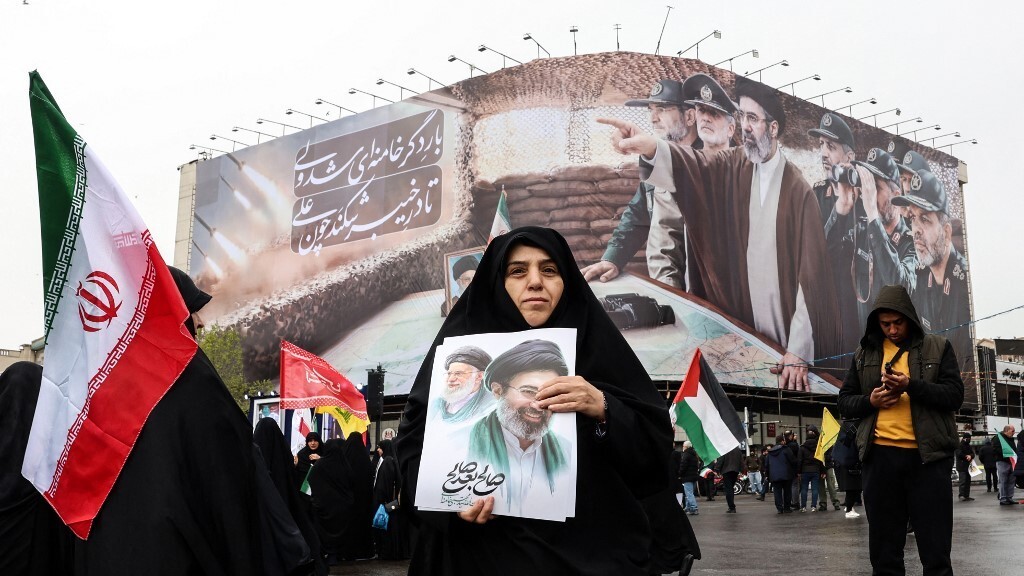
A confidential diplomatic cable reveals a stark divergence between Israel’s public stance and its private assessment regarding Iran’s internal stability. According to the document, reviewed by The Washington Post, senior Israeli officials have privately conceded to their U.S. counterparts that any popular uprising against the Islamic Republic would be met with overwhelming and brutal force by the Islamic Revolutionary Guard Corps (IRGC), resulting in a probable slaughter of protesters. This private evaluation stands in direct contradiction to repeated public exhortations by Israeli Prime Minister Benjamin Netanyahu for the Iranian people to rise up against their government.
The cable details meetings held this week between American officials and high-level members of Israel’s National Security Council, Ministry of Defence, and Ministry of Foreign Affairs. In these discussions, Israeli representatives admitted that the IRGC maintains a definitive ‘upper hand’ and that the state apparatus shows no signs of cracking, demonstrating a willingness to ‘fight to the end.’ Officials concluded that any attempt by anti-government activists to seize control would likely end in disaster.
This assessment is further bolstered by observations of Iran’s continued military capabilities, including its proven ability to launch ballistic missiles and drones ‘everywhere they want to,’ which is cited as proof of the state’s resilience. The officials also noted that despite rumors of his incapacitation, Supreme Leader Mojtaba Khamenei remains firmly in charge and is considered ‘more aligned’ with the hardline IRGC than his predecessor.
The failure of the exiled opposition to form a coherent front or project significant influence inside Iran has been another critical factor. Interviews with Iranians inside the country by Middle East Eye reveal a growing disillusionment with opposition figures like monarchist leader Reza Pahlavi. A recent call by Pahlavi for public mobilization during a traditional Persian celebration was met with little visible response, amid widespread fear and trauma from the ongoing conflict and a rising civilian death toll. Many citizens expressed anger at being asked to celebrate while living under the constant threat of airstrikes and violence, highlighting a significant gap between the diaspora’s calls to action and the grim reality on the ground.