Previously undisclosed intelligence assessments reveal that British security officials found no evidence of an imminent Iranian nuclear threat or planned missile attacks against Europe immediately preceding the joint US-Israeli military offensive against Iran. According to Guardian reports, Jonathan Powell, Prime Minister’s National Security Adviser, participated in final diplomatic negotiations between the US and Iran in Geneva, which concluded just two days before hostilities commenced.
Powell reportedly characterized Tehran’s concessions on its nuclear program as “surprising,” noting significant progress had been achieved during talks held at Oman’s ambassadorial residence in Cologny. A former official briefed on the discussions stated the UK delegation “were surprised by what the Iranians put on the table,” describing the proposal as incomplete but substantive enough to warrant continued negotiations scheduled for March 2nd.
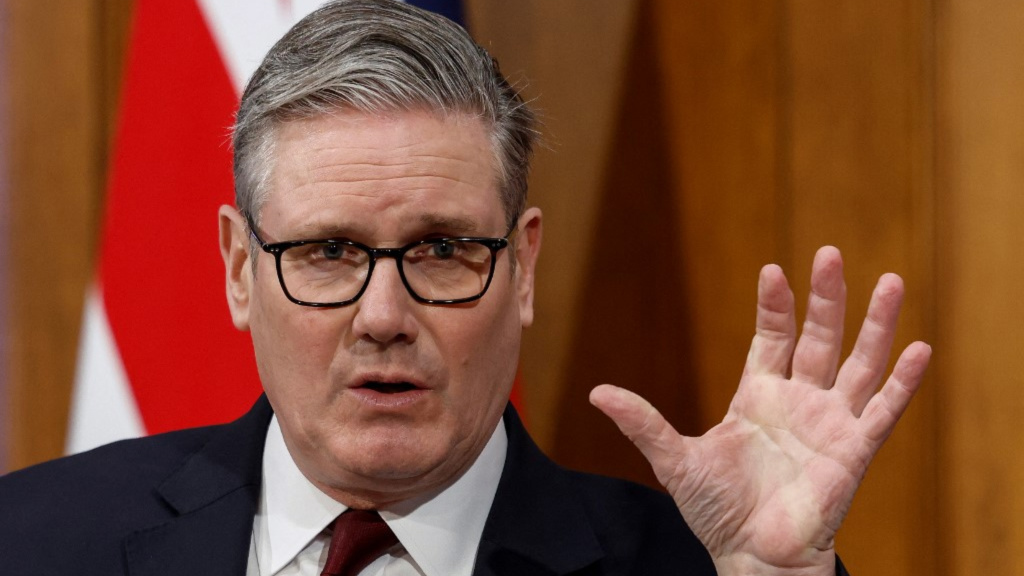
The revelations provide crucial context for Prime Minister Keir Starmer’s cautious approach to the conflict. Whitehall sources indicate the Starmer government considers the US-Israeli attack legally unjustified and contrary to British national interests. Despite this assessment, Britain has become partially involved by permitting US forces to utilize British military bases for bomber operations targeting Iranian missile installations.
Diplomatic tensions with the United States emerged following Downing Street’s initial refusal to allow strikes originating from the joint UK-US base on Diego Garcia. The situation intensified when former President Trump threatened NATO with a “very bad” future if member states failed to assist in reopening the Strait of Hormuz, which Iran has effectively closed in response to military actions.
Prime Minister Starmer emphasized working with allies to develop a “viable plan” to reopen the critical waterway while acknowledging the attack had “massively weakened” Iran’s military capabilities. He advocated for a “negotiated agreement” to address nuclear proliferation concerns and safeguard international shipping. Energy Secretary Ed Miliband confirmed considerations to deploy minesweeping drones rather than warships to Hormuz, utilizing technology that tricks mines into detonating safely.