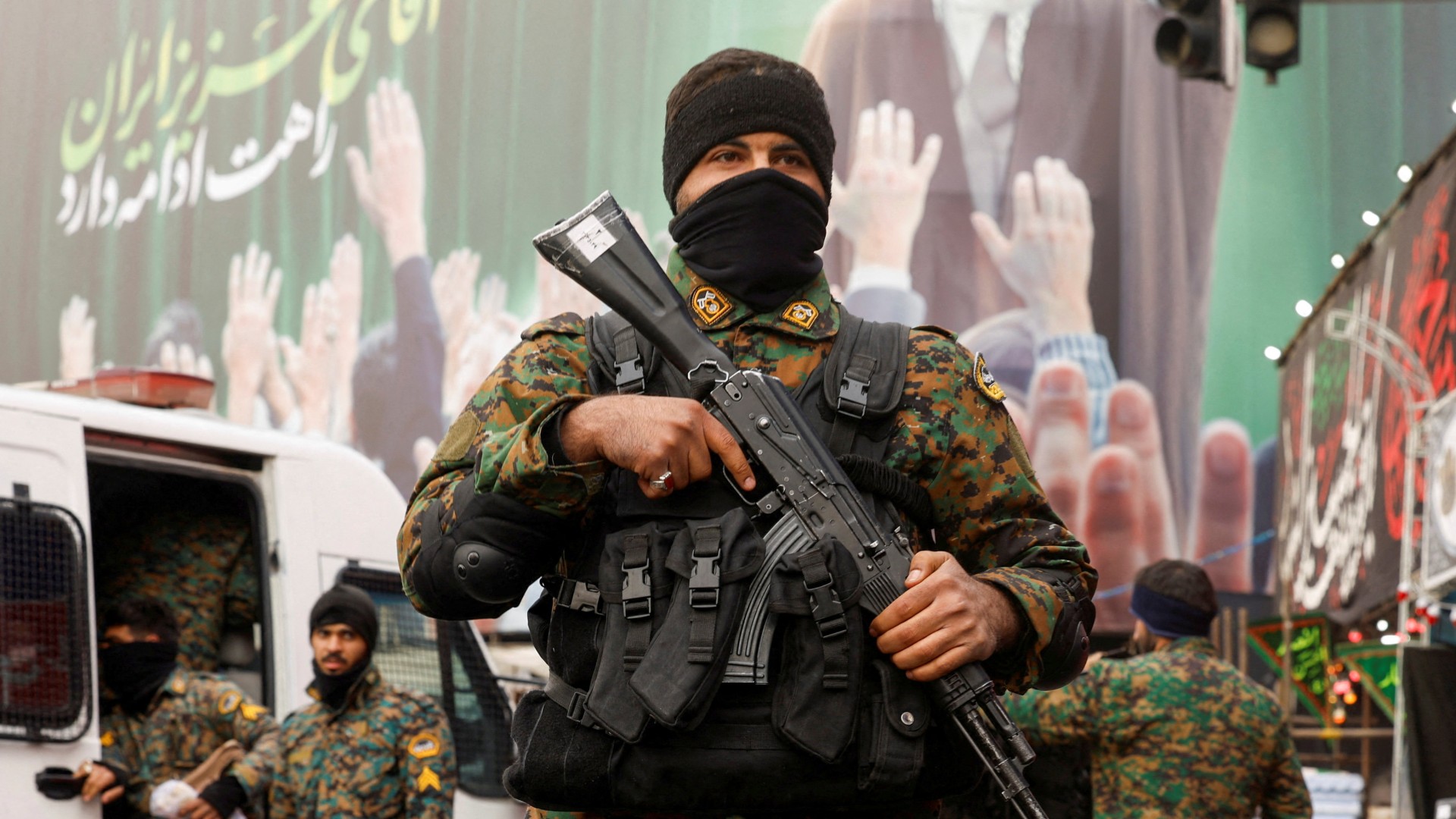
A comprehensive analysis reveals that the joint US-Israel military offensive against Iran, initiated over two weeks ago, appears fundamentally flawed by critical strategic miscalculations. The operation, described by US officials as delivering unprecedented ‘death and destruction from the sky,’ stems from two primary misjudgments: America’s belief in potentially toppling Iran’s ruling establishment and Israel’s misinterpretation of Hezbollah’s retaliatory capabilities.
Israeli Prime Minister Benjamin Netanyahu justified the offensive as necessary preventive action, stating: ‘Within a few months Iran’s industries of death would have become immune to any strike.’ Both US and Israeli leadership presented the operation as essential for neutralizing Iran’s ballistic missile programs and preventing nuclear escalation, with former President Trump claiming the attacks averted imminent nuclear conflict.
However, evidence suggests the operation’s true objective centered on regime change—a goal that appears increasingly unattainable. Despite massive military bombardment, US intelligence assessments indicate the Iranian government shows no signs of imminent collapse. Contrary to expectations, Tehran has witnessed no significant anti-government demonstrations, successfully transitioned leadership following Ayatollah Khamenei’s death, and maintained functional command structures.
Iran’s demonstrated capacity to retaliate—launching successful attacks against Gulf neighbors and Israeli targets while threatening the strategic Strait of Hormuz—has exposed additional miscalculations. The ongoing closure of the vital waterway has triggered what analysts describe as the most severe global energy crisis since the 1970s, directly challenging US regional hegemony.
The situation further deteriorated with Hezbollah’s unexpected military resurgence. Despite Israeli assessments that the organization had been neutralized following leadership decapitation campaigns, Hezbollah has demonstrated sophisticated missile capabilities, striking critical infrastructure in central Israel and effectively paralyzing northern regions.
This two-front confrontation—against both Iran and a resurgent Hezbollah—places unprecedented strain on Israeli military resources and domestic morale. As civilians seek shelter nationwide, public support for the war’s undefined objectives shows signs of erosion, mirroring the declining support witnessed during previous prolonged conflicts.
The geopolitical ramifications extend beyond immediate military concerns. Failure to achieve regime change in Iran represents a potential collapse of US credibility in the region, potentially driving Gulf allies to reconsider American security guarantees. Meanwhile, Russia and China stand to gain strategic advantage from perceived Western failure, while Iran’s international stature grows as it withstands combined superpower military pressure.
Historical parallels emerge with the 1956 Suez Crisis, where military victory translated into political defeat for intervening powers. Similarly, the current conflict may ultimately strengthen Iran’s regional position while weakening both Israeli and American influence, regardless of tactical military achievements.