The World Food Programme (WFP) issued a dire warning on Tuesday that prolonged military engagement in the Middle East could push global acute hunger to unprecedented levels. According to the UN agency’s projections, the number of people facing severe food insecurity might surge to 364 million by June if hostilities continue—an increase of 45 million individuals compared to pre-conflict estimates.
Carl Skau, WFP’s Deputy Executive Director, characterized the situation as ‘a terrible, terrible prospect’ during a briefing in Geneva, noting that this would represent the highest level of global hunger ever recorded. The analysis indicates that military actions initiated in late February have severely disrupted critical aid corridors to nations already struggling with chronic food shortages, causing significant delays in humanitarian shipments.
The conflict’s ripple effects are particularly devastating in the Middle East, where many countries depend heavily on food imports. Fertilizer prices have skyrocketed, and transportation costs have increased dramatically due to rising fuel prices, creating a perfect storm for food insecurity.
In Lebanon, where approximately one million people have been displaced and food insecurity has been endemic for years, both the government and WFP have implemented emergency response measures including cash assistance programs and expanded food aid distributions.
Iran, which was already experiencing economic stagnation, high food inflation, and rapid currency devaluation before the conflict, now faces even greater challenges as households have minimal capacity to withstand additional economic shocks.
While some border crossings have reopened in Gaza following the October ceasefire, food prices remain prohibitively high, severely limiting access to affordable nutrition for the population.
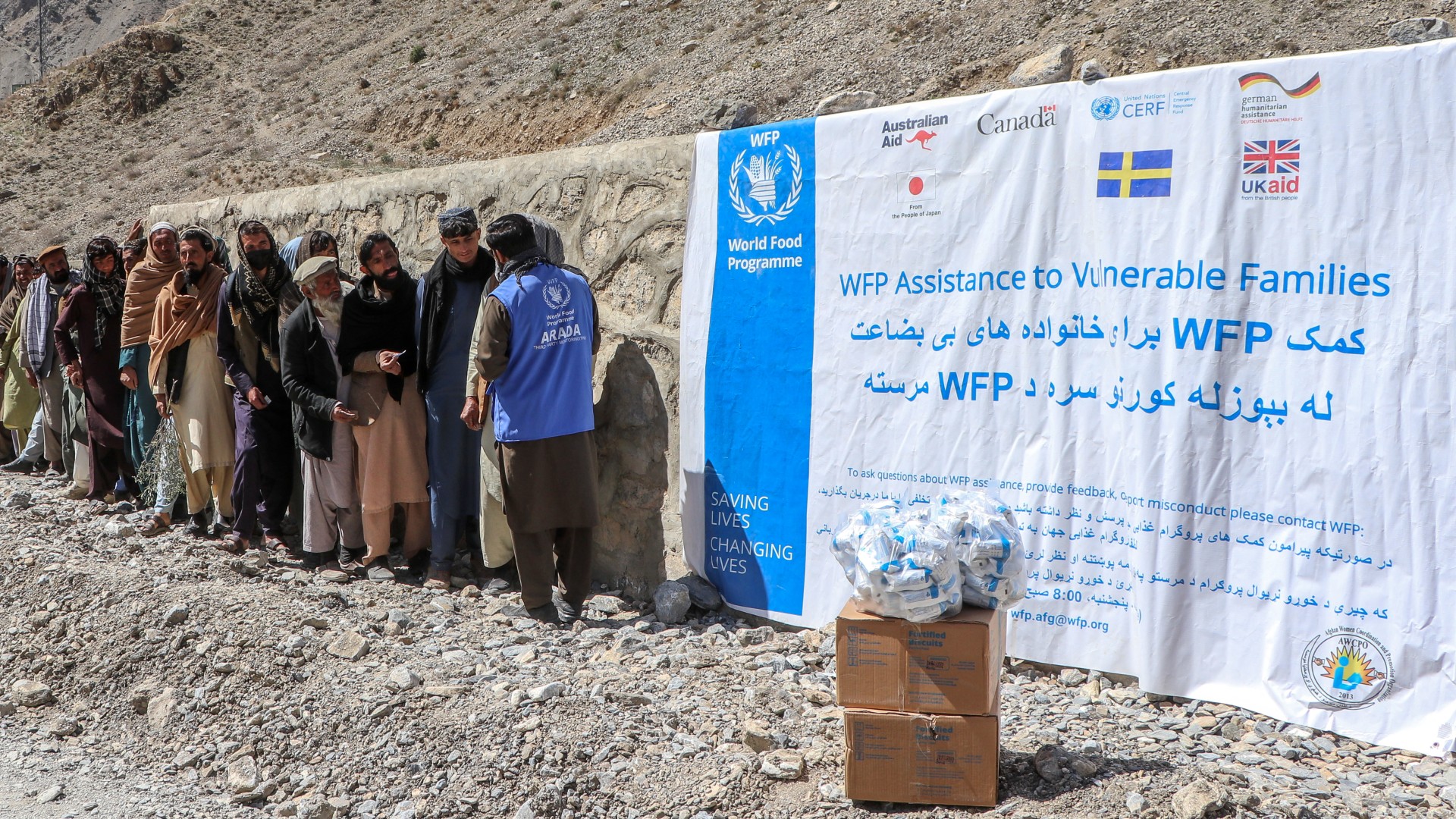
The crisis extends beyond the immediate conflict zone, with Afghanistan emerging as particularly vulnerable. The nation receives 80% of its food supply through imports, predominantly from Iran, leaving 17.4 million Afghans in urgent need of food assistance as supply chains are disrupted.