Australia’s financial markets experienced a notable reversal on Tuesday as the ASX 200 snapped a three-day decline, climbing 30.90 points (0.36%) to close at 8,614.30. The broader All Ordinaries index followed suit, gaining 26 points (0.30%) to finish at 8,819.40. This upward movement occurred despite ongoing concerns about elevated fuel prices and a surprisingly divided Reserve Bank of Australia regarding monetary policy.
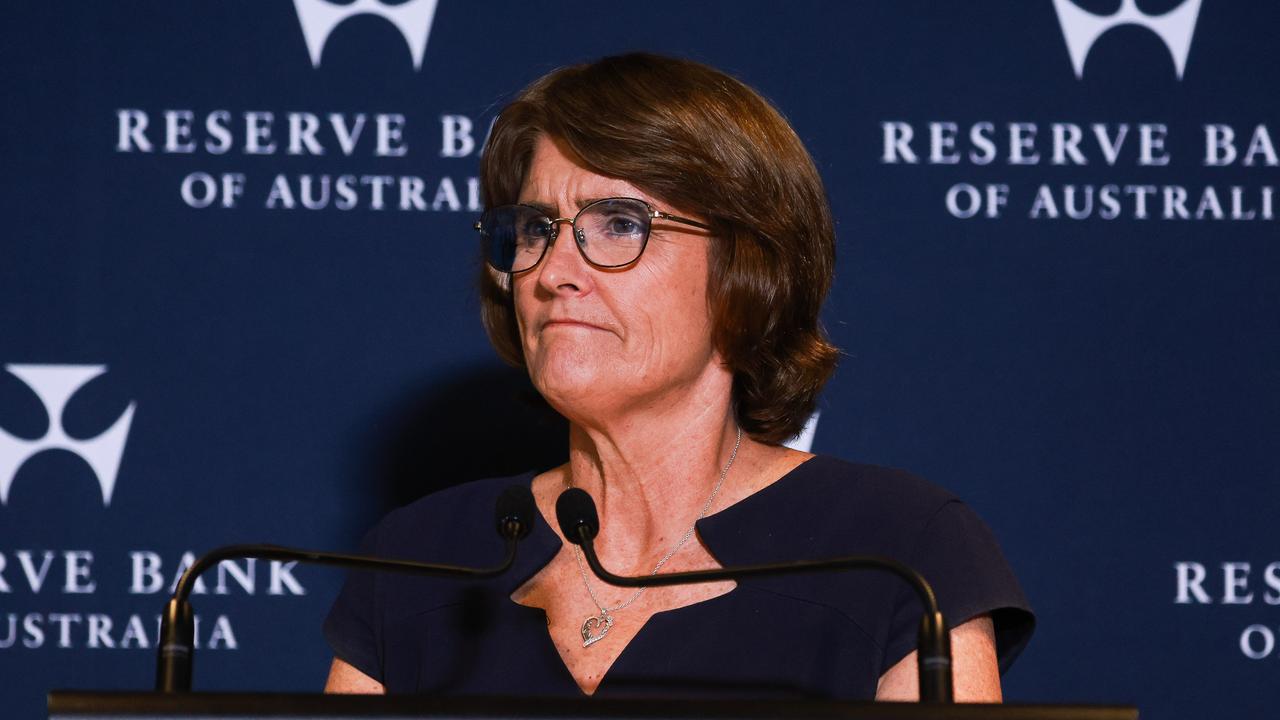
The central bank’s governing board revealed a rare 5-4 split decision in favor of implementing a 25 basis point rate hike, bringing the cash rate to 4.10%. This division among policymakers actually reassured traders, according to market analysts, who interpreted the disagreement as signaling potential caution in future rate increases.
IG market analyst Tony Sycamore commented: ‘The split vote acts as a powerful counterweight to the rate hike itself. The fact that four board members voted to hold suggests the next rate hike may not come until the second half of the year, indicating significant discomfort within the Board regarding current monetary tightening.’
Financial institutions emerged as primary beneficiaries of the trading session, with all four major banks recording gains. Westpac led the surge with a 1.39% increase to $41.49, followed by National Australian Bank (0.85% to $47.46), Commonwealth Bank (0.34% to $176.12), and ANZ (0.21% to $37.53).
The materials sector also demonstrated strength despite energy sector weaknesses, with BHP advancing 1.10% to $49.73 and Fortescue Metals climbing 1.32% to $19.95. Meanwhile, Brent crude prices rose 2.7% to approximately $102.91 per barrel as Middle East conflicts continued disrupting global oil supplies.
Notable corporate movements included Pepper Money’s dramatic 14.9% plunge to $1.79 after Challenger reduced its takeover offer from $2.60 to $2.25 per share. Conversely, Pantoro Gold emerged as the ASX 200’s top performer with a 12.02% surge to $3.82.
Economists highlighted the complex interplay between international factors and domestic inflation challenges. Commonwealth Bank’s head of Australian economics, Belinda Allen, noted: ‘While Middle East tensions contribute to fuel price increases, ultimately domestic inflation remains too high. Demand growth must slow to restore economic balance and ensure inflation returns to target levels.’