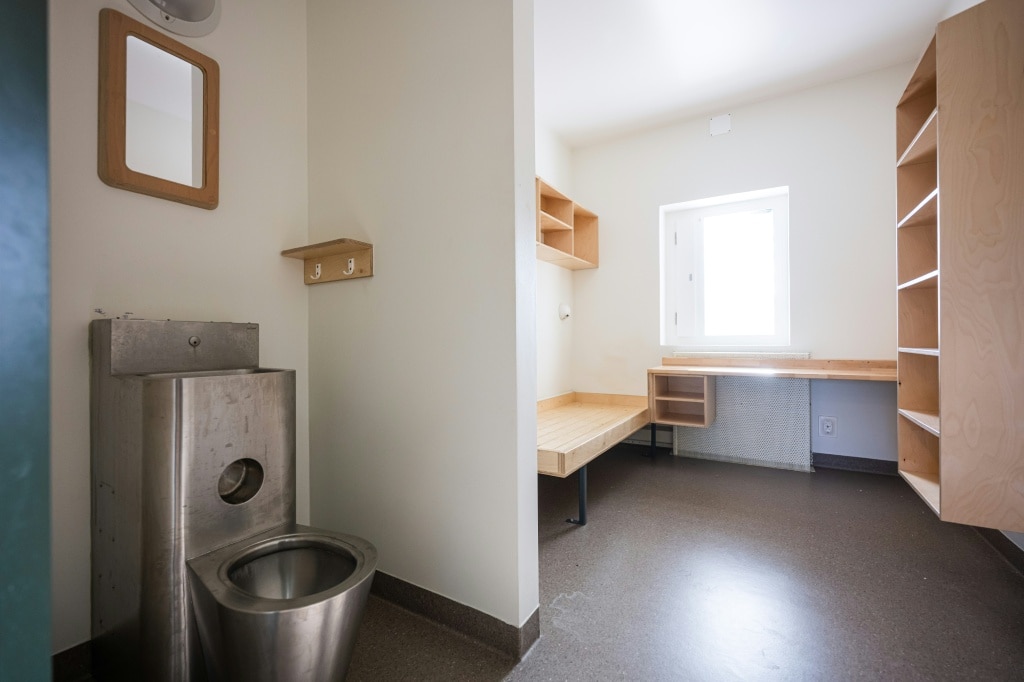
In a groundbreaking shift in juvenile justice policy, Sweden’s prison system is undergoing radical transformations to accommodate offenders as young as 13 years old. The Rosersberg correctional facility north of Stockholm stands among eight institutions preparing for this controversial transition scheduled for July 1, following the government’s decision to lower the criminal responsibility age from 15 to 13 for serious offenses carrying minimum four-year sentences.
The minority right-wing government, supported by far-right Sweden Democrats, initiated this reform as a strategic response to combat criminal networks increasingly recruiting minors as hitmen for bombings and shootings. Previously, underage offenders faced placement in secure youth care homes (SiS-hem), but these facilities have reportedly become recruitment grounds for gang activities, prompting the judicial overhaul.
Extensive modifications are underway at Rosersberg to create age-appropriate detention environments. Authorities have transferred adult inmates to other facilities, redesigned 10-square-meter single cells previously shared by two adults, and implemented vibrant green color schemes. Each cell now features television sets, while shared spaces include redesigned yards with greenery, sofas, and training areas. Notably, cigarette receptacles have been removed in compliance with smoking prohibitions for minor inmates.
The institutional framework emphasizes educational development, with mandatory schooling until age 16 integrated into the correctional program. Specially designed classrooms have replaced the cafeteria that previously separated adult and youth sections. Security protocols require doubled guard-to-inmate ratios compared to adult facilities, with officers assuming expanded responsibilities as de facto legal guardians addressing behaviors ranging from school attendance resistance to homework completion.
Despite governmental justification citing crime prevention necessities, the reform faces substantial opposition from child rights organizations and institutional stakeholders. Julia Hogberg, legal adviser to children’s rights group Bris, contends that incarcerating young adolescents risks counterproductive outcomes, potentially lowering criminal recruitment ages further while harming developmental progress and increasing recidivism risks. Critics argue this policy shift undermines Sweden’s longstanding reputation as a global model for children’s rights, particularly concerning the maintained age of criminal responsibility throughout 150 years of varying crime rates.
The government maintains its position that stringent measures are essential to address escalating youth involvement in serious crimes, pushing multiple reforms ahead of September legislative elections.