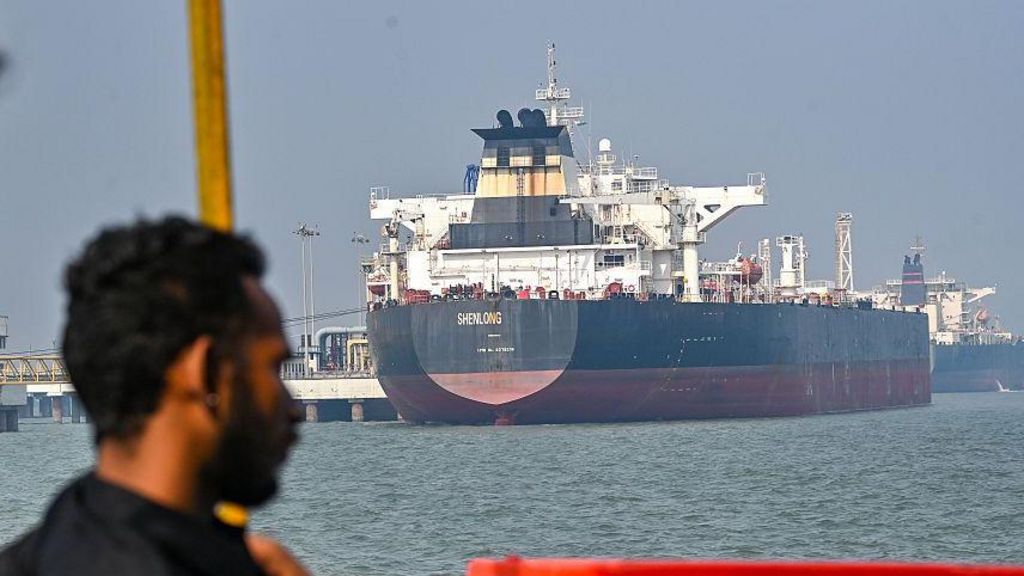
Indian Foreign Minister S. Jaishankar has confirmed that diplomatic engagement with Tehran has yielded partial success in securing passage for Indian vessels through the critically important Strait of Hormuz. This development follows Iran’s near-total blockade of the strategic waterway amid escalating Middle East tensions.
In an exclusive interview with the Financial Times, Jaishankar revealed that two Indian-flagged gas tankers successfully navigated the strait on Saturday following intensive diplomatic discussions. However, he emphasized that no “blanket arrangement” exists for all Indian shipping, with twenty-two vessels still awaiting clearance to transit the channel.
The current crisis emerged after U.S. and Israeli forces launched comprehensive strikes against Iranian targets on February 28th, triggering retaliatory actions from Tehran that extended to non-military targets in Gulf states allied with America. The conflict has severely disrupted global energy shipping through the narrow passage between Iran and Oman, which facilitates approximately one-fifth of worldwide oil and gas transportation.
For India, the Strait of Hormuz represents an essential economic artery, with 40-50% of crude imports, half of liquefied natural gas supplies, and most liquefied petroleum gas shipments transiting through this corridor. The disruptions have already precipitated domestic cooking-gas shortages, sparking panic buying and temporarily shuttering some restaurants.
Jaishankar characterized India’s diplomatic approach as pragmatic and relationship-based, noting that each country’s engagement with Iran “stands on its own merits.” He explicitly denied any quid pro quo arrangements with Tehran, instead emphasizing the nations’ longstanding bilateral relationship.
While acknowledging the preliminary nature of these developments, the foreign minister expressed commitment to continued dialogue, stating: “If it is yielding results for me, I would naturally continue to look at it.” He advocated for reasoned coordination over escalation, suggesting this approach might benefit other nations seeking resolution.
The situation remains fluid as multiple international players, including European governments and Turkey, pursue diplomatic solutions. Meanwhile, former U.S. President Donald Trump has called for allied nations to deploy naval assets to the region to secure the vital shipping lane.
Energy markets have already responded to the tensions, with Brent crude prices approaching $106 per barrel on Monday. Analysts note India’s delicate balancing act, maintaining relationships with both Iran and Western allies while prioritizing energy security and regional stability.