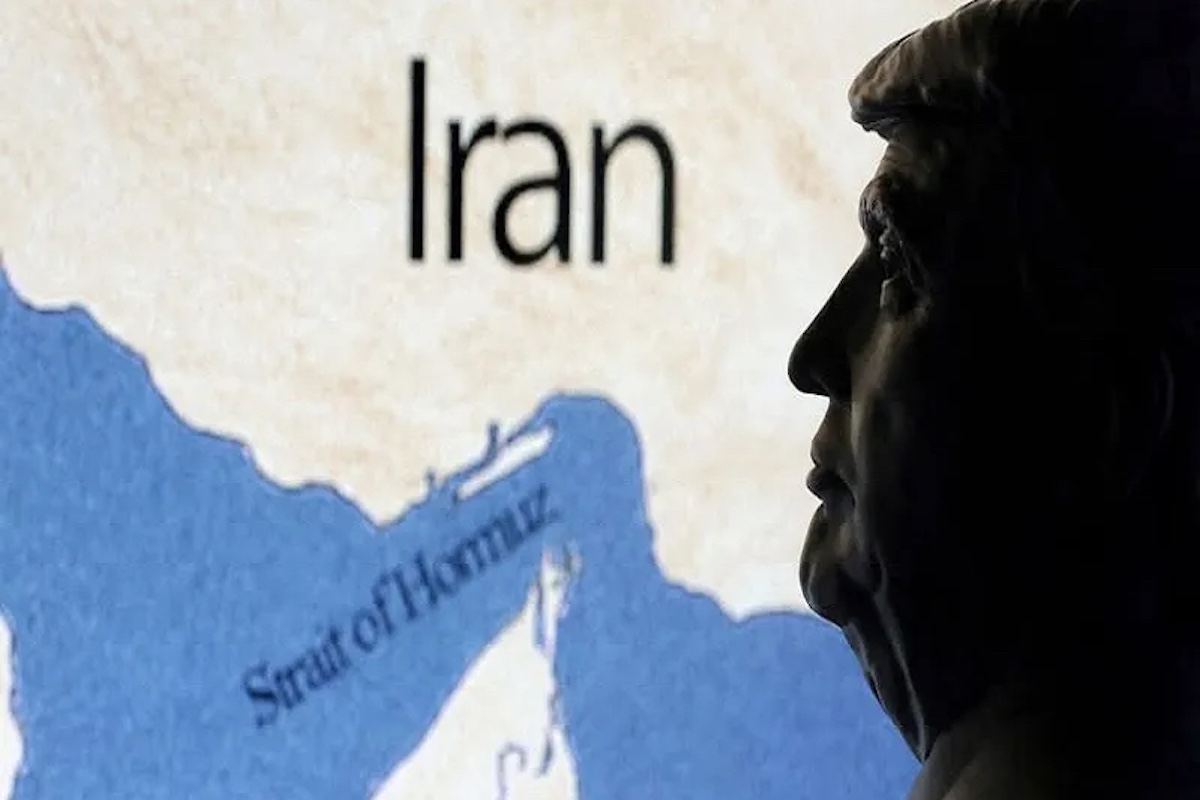
Former President Donald Trump has issued a direct appeal to China and other nations to participate in a proposed naval coalition aimed at securing freedom of navigation through the Strait of Hormuz, escalating tensions amid ongoing conflicts with Iran. In statements to the Financial Times, Trump emphasized China’s particular stake in the matter, noting that approximately 90% of China’s oil imports transit through the strategic waterway. He explicitly linked China’s cooperation to his anticipated diplomatic visit later this month, suggesting potential postponement if Beijing fails to commit—a move that significantly raises geopolitical stakes.
The situation presents China with a complex strategic dilemma. Compliance with Trump’s demand would legitimize the U.S.-led naval initiative and likely be interpreted by Iran as a hostile act, potentially damaging Sino-Iranian relations. Conversely, refusal could trigger the collapse of the fragile Sino-US trade truce and exacerbate global economic instability already affected by regional oil disruptions.
Energy dependency analysis reveals China’s vulnerable position: approximately 48.4% of China’s seaborne oil imports transit through Hormuz, with 13.4% originating specifically from Iran last year. While China maintains strategic petroleum reserves estimated at 1.3 billion barrels (covering three to four months of consumption) and advances its green energy transition, the nation remains economically dependent on stable oil flows through the strait.
The geopolitical maneuvering extends beyond immediate security concerns. Analysts suggest the Trump administration may be weaponizing China’s energy dependency to force concessions on trade, potentially derailing China’s superpower trajectory and institutionalizing a subordinate relationship to U.S. interests. This could involve perpetuating conflict with Iran, seizing Iranian vessels transporting oil to China, and leveraging Washington’s continued influence over China’s trading partners.
The developing situation represents a critical test of Chinese strategic diplomacy, requiring careful navigation between energy security concerns, regional alliances, and global economic relationships.